Community Corner
Mayor Ras Baraka's Governor Bid: A Path Forward or an Uphill Battle?
Newark Mayor faces hurdles and opportunities in his ambitions to potentially lead the Garden State as governor.

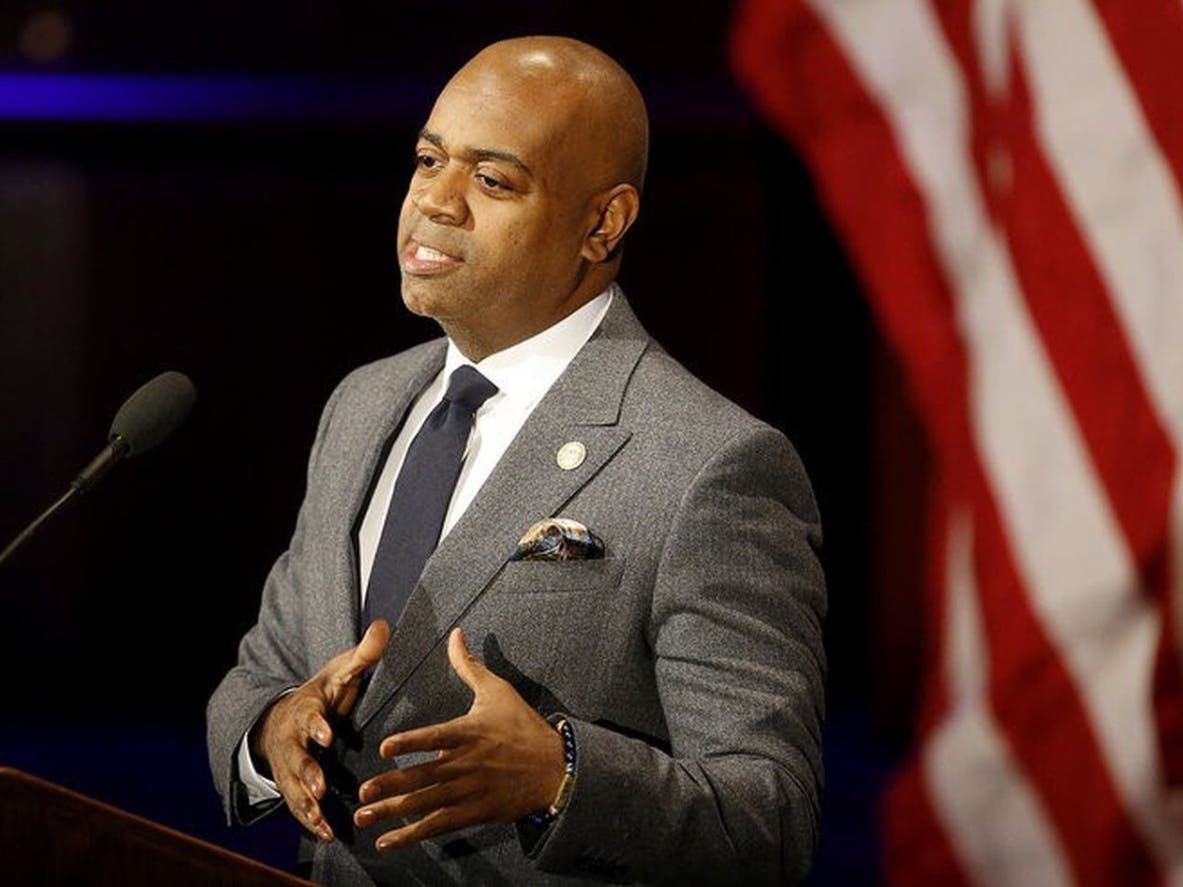
As Mayor Ras Baraka of Newark announces his bid for the governorship of New Jersey, the political landscape of the Garden State braces for an intriguing contest. Baraka's declaration, made during a Black History Month event in Trenton, places him among prominent Democratic contenders like former state Senate President Steve Sweeney and Jersey City Mayor Steven Fulop. With Governor Phil Murphy's term nearing its end, the race to Drumthwacket, the governor's residence, promises to be a significant one.
Baraka's tenure as mayor has been marked by notable achievements, including winning re-election to a third term with a commanding 83% of the vote. However, the starkly low voter turnout in Newark under his leadership has sparked discussions about his ability to mobilize the electorate on a statewide level.
The 2022 midterm saw a turnout of just under 16% in Newark, highlighting a potential challenge for Baraka's gubernatorial campaign. This trend of low electoral engagement in Newark, despite its status as New Jersey's largest city, raises questions about Baraka's appeal beyond his current constituency.
Find out what's happening in Newarkfor free with the latest updates from Patch.
Baraka's potential as a gubernatorial candidate lies in his ability to resonate with a broad spectrum of voters, especially at a time when New Jersey faces critical issues such as women's reproductive rights, the high cost of living, and climate change. His leadership during challenging times, coupled with his advocacy for progressive policies, could galvanize a diverse voter base, including the increasingly influential younger demographic.
Baraka's gubernatorial run, therefore, presents both challenges and opportunities. While the low voter turnout in Newark poses a hurdle, it also offers a chance for Baraka to demonstrate his capacity for statewide leadership by addressing these concerns head-on. His campaign can serve as a platform to advocate for reforms that not only increase voter participation but also address the broader social and economic issues facing New Jerseyans.
Find out what's happening in Newarkfor free with the latest updates from Patch.
Nevertheless, Mayor Baraka's track record during his tenure has been characterized by significant victories and notable controversies and paints a complex picture of his potential candidacy for governor. There is an array of crucial issues that could hinder his gubernatorial bid.
The Lead Water Crisis in Newark
A pressing concern for Mayor Baraka's administration has been the handling of lead contamination in the city's water supply. Despite efforts to address the issue, including the replacement of over 17,000 lead lines through a $120 million loan, recent disclosures suggest that the problem is far from resolved. In a closed-door meeting, Baraka informed City Council members that lead remnants were discovered in some water service lines previously thought to have been fully replaced.
This revelation, stemming from a state Department of Environmental Protection audit, raises significant health concerns and questions about transparency and accountability in Baraka's administration. The lead water issue, particularly affecting vulnerable populations like pregnant women and young children, underscores the challenges Baraka faces in proving his capability to manage statewide public health crises.
Gentrification and Housing Concerns
Another significant challenge is the rapid gentrification and displacement occurring under Baraka's watch. A report from Rutgers University—Newark highlights Newark's national lead in corporate property ownership, a trend that jeopardizes community stability and home ownership, especially in predominantly Black neighborhoods. This shift towards investor-centric property models underscores the economic and social divides that Baraka would need to address on a broader scale as governor.
Allegations of Nepotism and Legal Controversies
Baraka's administration has also been marred by allegations of nepotism and legal disputes. A notable incident involved Baraka's brother and a lawsuit alleging discrimination and retaliation within the city's administration. Such controversies not only challenge Baraka's leadership ethics but also highlight potential governance issues that could be magnified on a statewide level.
Public Safety and Police Relations
Public perception of safety and police relations in Newark presents another hurdle for Baraka. A Fairleigh Dickinson University poll indicates mixed reviews on whether Newark has improved under Baraka's leadership, with significant concerns about night-time safety and the local police department's integrity. These perceptions of safety and law enforcement effectiveness are crucial for Baraka to address, as they directly impact residents' quality of life and trust in public institutions.
Conclusion: A Complex Path Forward
Mayor Ras Baraka's bid for governor of New Jersey is fraught with both promise and pitfalls. His record showcases a mayor committed to his city's renewal, yet challenged by significant public health, housing, ethical, and safety concerns. These issues, particularly the handling of the lead water crisis and the implications of gentrification, highlight the complexities of urban governance and the importance of transparent, effective leadership.
As Baraka prepares for a potential gubernatorial campaign, his ability to address these controversies and articulate a compelling vision for New Jersey's future will be paramount. The path to the governor's office demands more than just political ambition; it requires a demonstrated capacity to navigate and resolve the multifaceted challenges facing New Jersey's communities. For Baraka, the road to Trenton will not only test his leadership and resilience but also his ability to unite a diverse electorate around a common agenda for change and progress.