Traffic & Transit
New 'Greenway' In North Jersey Will Prevent Flooding: Here's How [VIDEO]
Stormwater management continues to play a major role in the construction of the Essex-Hudson Greenway.


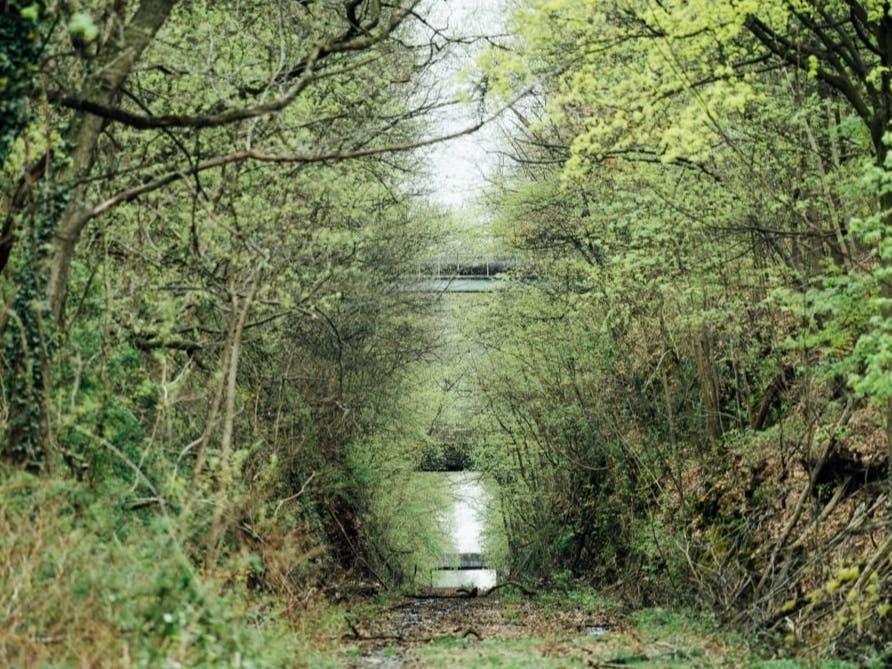
ESSEX COUNTY, NJ — When advocates first pitched the idea of transforming an abandoned railway line into a massive hiking and biking path, a big selling point was the potential to help prevent flooding during storms – a growing problem in North Jersey.
According to state officials, stormwater management continues to play a major role in the construction of the Essex-Hudson Greenway.
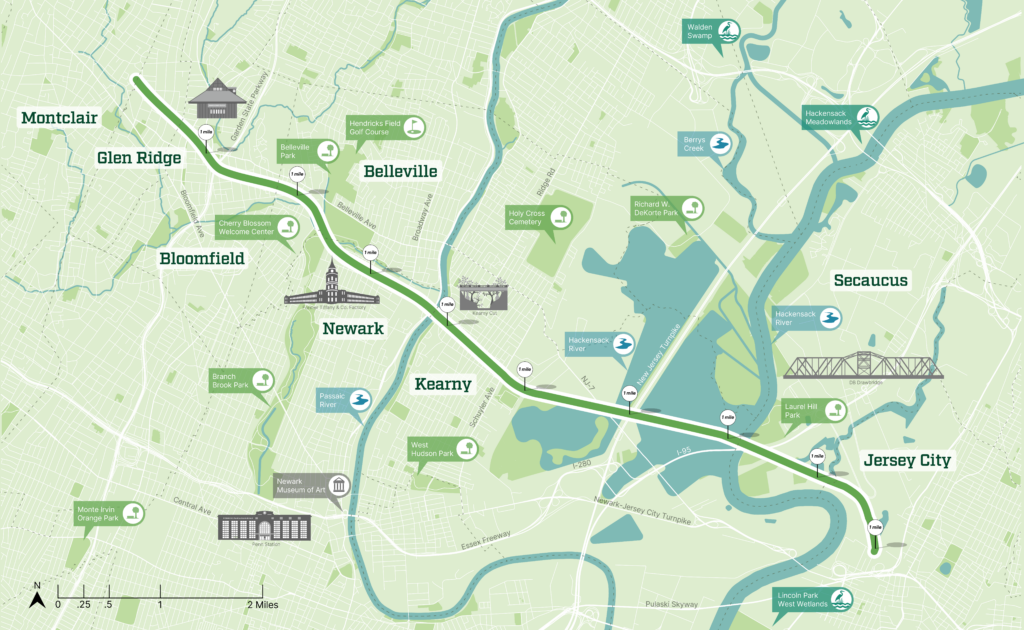
Earlier this week, the New Jersey Department of Environmental Protection (NJDEP) released a video update about the nine-mile greenway, which will eventually cross through eight towns and cities: Bloomfield, Belleville, Glen Ridge, Jersey City, Kearny, Montclair, Newark and Secaucus.
Find out what's happening in Newarkfor free with the latest updates from Patch.
>> READ MORE: Long-Awaited 'Greenway' Is Shaping Up In North Jersey
The first wave of construction has been taking place over a one-mile stretch of land in Newark, a densely populated urban environment where paved surfaces and development often limit natural stormwater absorption.
Find out what's happening in Newarkfor free with the latest updates from Patch.
The NJDEP said that crews have been working to install a new underground stormwater management system that spans the length of the park. The goal? To reduce flooding and erosion in the area.
Here are the latest updates, state officials said:
COMPACTED SOIL – When the corridor was developed in the 1800's as a rail line, the ground was compacted. This compaction further limited the area's natural stormwater dispersion.
CURRENT WORK – Work to date has included digging trenches and installing pipes to convey stormwater. The system is also being connected to Newark's existing sewer infrastructure. This underground system is one part of a larger approach to managing stormwater throughout the park.
RUNOFF – Rain gardens will be implemented to capture runoff and allow stormwater to soak into the ground naturally from solid surfaces and gathering spaces. The park's trail will be constructed using porous asphalt. This material will allow rainwater to pass through the pavement and filter into the ground, further reducing runoff.
SEWERS – The improvements are expected to benefit the surrounding community beyond the park. They aim to reduce flooding and limit the amount of runoff entering combined systems carrying both stormwater and sewage, which can release untreated sewage into rivers and streams during heavy rain events. The stormwater management features are designed to work together to capture runoff and naturally absorb it into the ground. They will also temporarily store and slowly release stormwater into Newark's existing sewer infrastructure.
Send local news tips and correction requests to eric.kiefer@patch.com. Learn more about advertising on Patch here. Find out how to post announcements or events to your local Patch site.
Get more local news delivered straight to your inbox. Sign up for free Patch newsletters and alerts.