Politics & Government
Opioid Addiction: Don’t Make Harsher Jail Punishments, NJ Senator Says
Should there be harsher mandatory minimum jail sentences for people struggling with opioid addiction?


Should there be harsher mandatory minimum jail sentences for people struggling with opioid addiction?
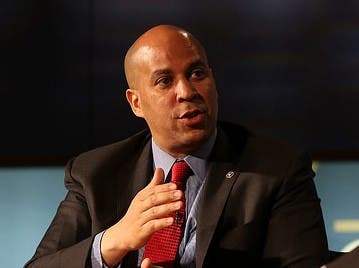
U.S. Senator Cory Booker (NJ) doesn’t think so.
Booker spoke on the Senate floor earlier this week to bring attention to “the harmful impact” that a new amendment to the National Defense Authorization Act (Senate Amendment 4083) may cause for people struggling with addictions to fentanyl, a potent synthetic opioid that the DEA states is 100 times more potent than morphine.
Find out what's happening in Newarkfor free with the latest updates from Patch.
According to a statement from Booker, if passed, the amendment “would expand federal mandatory minimum penalties for fentanyl by lowering the drug quantity needed to trigger the punishment.”
In an online statement, Booker says that he is “a vocal advocate for both addressing the opioid abuse and heroin use epidemic and advancing criminal justice reform.”
Find out what's happening in Newarkfor free with the latest updates from Patch.
“[I continue] to push for a full Senate vote on the bipartisan Sentencing Reform and Corrections Act, a comprehensive bill that reduces certain mandatory minimum penalties for nonviolent offenders and gives judges more discretion in sentencing,” Booker stated.
The Sentencing Reform and Corrections Act, if passed, would reduce mass incarceration, save taxpayer money and free up resources that “can be used to better attack the root causes of crime and addiction,” Booker said.
WHAT IS FENTANYL?
“Fentanyl is abused for its intense euphoric effects,” the DEA states. “Fentanyl can serve as a direct substitute for heroin in opioid dependent individuals. However, fentanyl is a very dangerous substitute for heroin because it is much more potent than heroin and results in frequent overdoses that can lead to respiratory depression and death.”
According to the DEA, common black market sources of the drug come via pharmacy theft, fraudulent prescriptions, and illicit distribution by patients and registrants (physicians and pharmacists).
Theft has also been identified at nursing homes and other long-term care facilities, the DEA states.
Sign up for Patch NJ email newsletters here.
Photo: Cory Booker
Get more local news delivered straight to your inbox. Sign up for free Patch newsletters and alerts.