Schools
‘Segregation’ In NJ Schools Focus Of New Rutgers Study
Large groups of underserved students are being clustered together. Schools are being stretched thin – and it's getting worse, a report says.


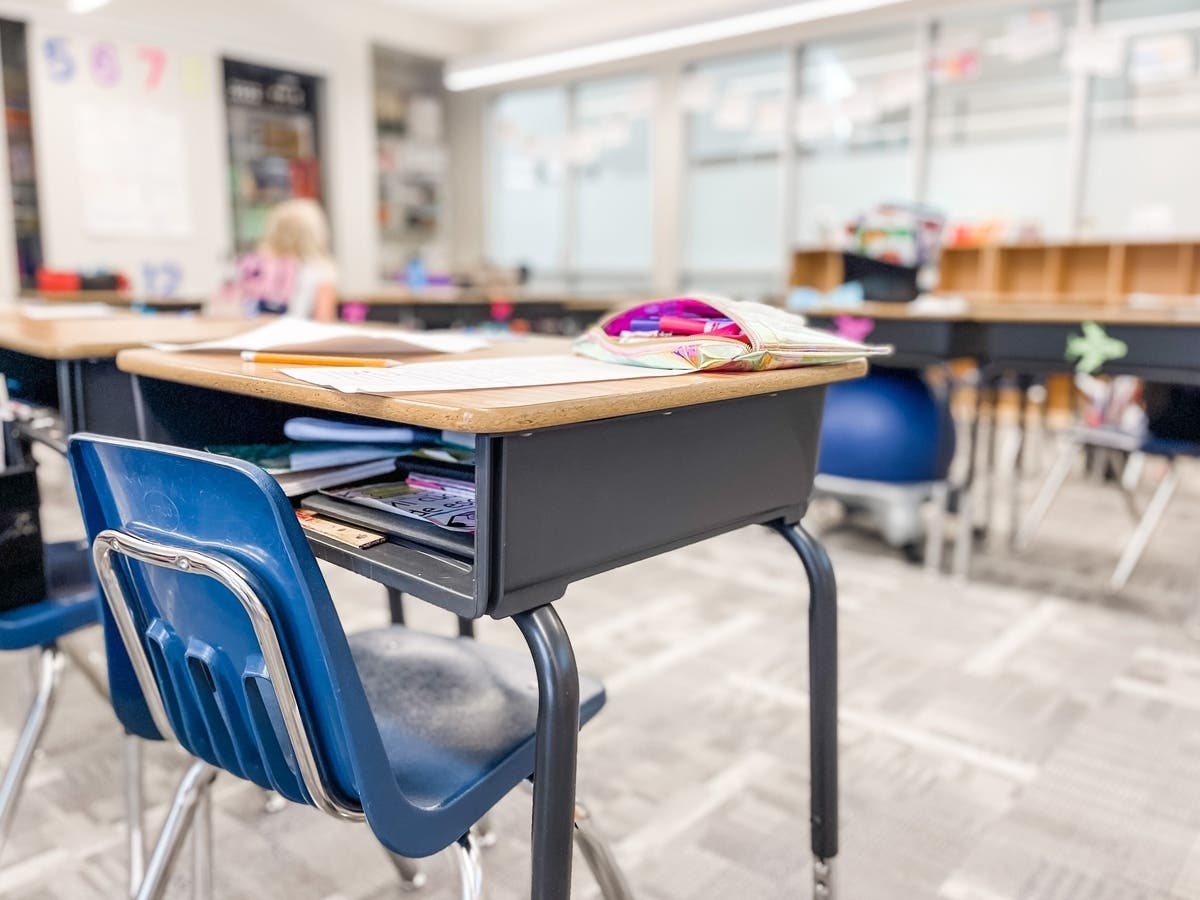
NEWARK, NJ — Large numbers of underserved students are being clustered together in New Jersey according to their race and household income. Resources are being stretched thin. And the problem is getting worse, a recent report on “school segregation” from Rutgers University-Newark claims.
The study from the Joseph C. Cornwall Center for Metropolitan Studies looked at more than 600 public school districts in the state, using data from the New Jersey Department of Education’s School Performance Reports from 2016 through 2019.
It found that 32 percent of the state’s children – nearly 270,000 children – attend schools that are “racially and economically segregated.” The numbers are rising, researchers noted, increasing from 382 schools between them in 2016 to 451 schools in 2019.
Find out what's happening in Newarkfor free with the latest updates from Patch.
The disparities are often dramatic, according to the report, which was authored by Charles M. Payne, director of the Cornwall Center, and associate director Vandeen A. Campbell:
“Racially and economically segregated schools are often 30 to 40 percent less likely than others to offer high-level courses, like AP science and math classes. Child study staff have as many as 75 more students per team than others. For schools where the majority of students are Black or Hispanic and economically disadvantaged, there are higher rates of teacher and student absenteeism and harsher discipline measures, including out-of-school suspensions that can hinder learning.”
According to the study, economically and racially segregated schools are more likely to have a higher number of students classified with disabilities, English language learners, and families with a home language other than English. Meanwhile, there are fewer opportunities for students to prepare for college or careers, particularly in STEM fields.
Find out what's happening in Newarkfor free with the latest updates from Patch.
Although white children from low-income families make up 11 percent of the state’s students, they are “relatively dispersed” and not concentrated in ways likely to reinforce problems, researchers claimed.
It all adds up to a perfect storm of inequality, the study says.
“All considered, there are two high level takeaways from our report,” researchers said. “First, leaving students in segregated school environments means leaving them in schools more likely characterized by weak if not harsh social bonds, limited learning opportunities – especially for high-level learning – and fewer human resources.”
“If one wanted to design environments to increase achievement gaps, this is what they would look like,” the study emphasized.
“Second, looking at positive outlier cases show what is possible for traditionally underserved students and should shift the narrative away from the characteristics of students and families, and toward disparities in practice, policy and resources,” researchers added.
The Cornwall Center did find exceptions, researchers noted:
“The positive outliers are highly segregated schools where student performance and opportunities are much better than others, likely as a result of district policies and culture. In some, such as Dover High School in Morris County, there were higher numbers of students enrolled in advanced math and science courses. Passaic exceeded the state average by enrolling 45% of students in college courses.”
“The exceptions are important because we’re trying to push against the narrative that these kids can’t do any better because of where they come from,” Campbell said.
“The point we’re trying to make is that it’s really difficult to believe that some of the enormous disparities we see – 30 to 40 percentage point differences – are a function of the culture of the child and family,” Payne agreed. “Those are a result of the policies the districts are following.”
“Our fondest hope for this report is that we get people out of the reflexive response of ‘whose fault it is’ and ask how we can do better,” Payne said.
Send local news tips and correction requests to eric.kiefer@patch.com. Learn more about advertising on Patch here. Find out how to post announcements or events to your local Patch site. Don’t forget to visit the Patch Newark Facebook page.
Get more local news delivered straight to your inbox. Sign up for free Patch newsletters and alerts.