Politics & Government
US, Mexico Sweet On Sugar Deal, But Industry Reps Aren’t Biting: Feds
Federal officials say that a pending trade agreement with Mexico is a sweet one. But the U.S. sugar industry is sour on the deal.


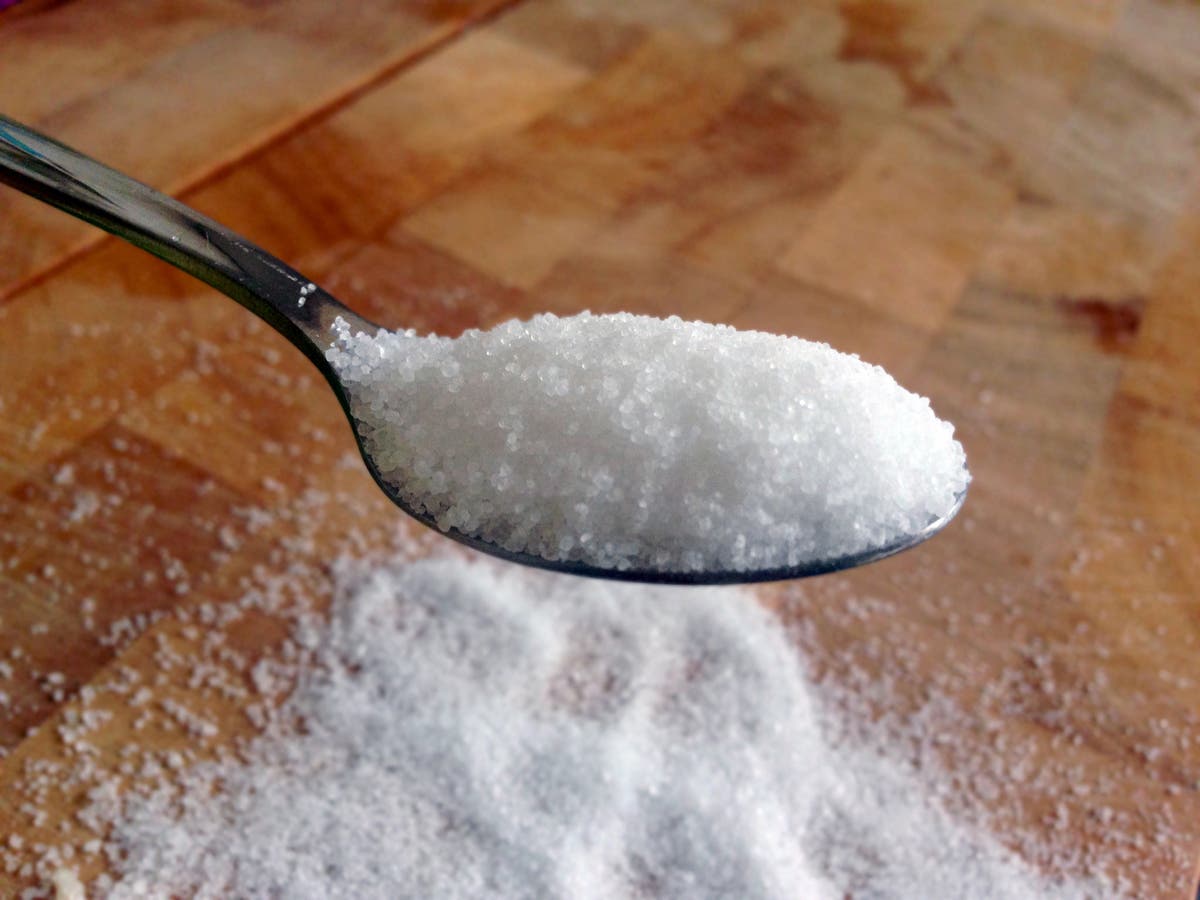
Federal officials say a proposed international trade agreement with Mexico is a sweet deal for sugar growers and refiners on both sides. But the U.S. sugar industry isn't supporting the commerce pact as written, which would suspend anti-dumping and countervailing duties against Mexican imports into the United States.
On Tuesday, U.S. Secretary of Commerce Wilbur Ross and Mexican Secretary of Economy Ildefonso Guajardo announced that the two nations have reached a tentative agreement that “bodes well for our long-term relationship.”
The reputed deal would avert steep U.S. duties and possible Mexican retaliation on imports of American high-fructose corn syrup ahead of any potential renegotiation of the North American Free Trade Agreement, Reuters reported.
Find out what's happening in Newarkfor free with the latest updates from Patch.
According to a statement from the office of the U.S. Secretary of Commerce:
“These new agreements between the governments of United States and Mexico, as well as the Mexican sugar industry, prevent dumping of Mexican sugar and corrects for subsidies the Mexican sugar industry receives. The agreement addresses the concerns of the U.S. sugar industry and prevents harm to other U.S. industries, including confectioners, beverage producers, and corn growers, that might have resulted if no agreement were reached.”
- See related article: 7 Things To Know About President Trump's Threatened Mexico Tax
“We have gotten the Mexican side to agree to nearly every request made by U.S. industry to address flaws in the current system and ensure fair treatment of American sugar growers and refiners,” Ross said. “I am glad to say that Minister Guajardo and his colleagues have been honest and collaborative partners in seeking a fair and sustainable solution – this bodes well for our long-term relationship.”
Find out what's happening in Newarkfor free with the latest updates from Patch.
However, “despite all of these gains,” the U.S. sugar industry has said it is unable to support the new agreement, Ross added.
“We remain hopeful that further progress can be made during the drafting process,” Ross said. “We remain confident that this deal defends American workers across many industries and is the best way to ensure stability and growth.”
The U.S. industry involved in the dispute include a coalition of cane and beet farming groups as well as ASR Group, the maker of Domino Sugar that is owned by the politically connected Fanjul family, Reuters reported.
Phillip Hayes, a spokesman for the American Sugar Alliance, released the following statement about Tuesday's announced agreement modifications:
"U.S. sugar farmers and producers are concerned that the agreement in principle contains a major loophole in the section dealing with additional U.S. needs. Mexico could exploit this loophole to continue to dump subsidized sugar into the U.S. market and short U.S. refineries of raw sugar inputs. This loophole takes away the existing power of the U.S. government to determine the type and polarity of any additional sugar that needs to be imported and cedes that power to the Mexican government."
Hayes stated:
“We will work with Secretary Ross in the coming days to see if that loophole can be effectively closed so that the basic provisions of the agreement are not undermined and USDA can effectively manage the sugar program."
He added:
“It is important to note that the U.S. sugar industry has made substantial compromises throughout the negotiations. That includes giving Mexico 100 percent of additional U.S. needs on the condition that the U.S. government retains its authority to regulate additional imports into the U.S. market.”
THE PROPOSED AGREEMENT
The proposed trade agreement can be seen online here.
According to the U.S. Secretary of Commerce, the revised suspension agreement has five major elements:
- Price – The agreement increases the price at which raw sugar must be sold at the mill in Mexico from 22.25 cents per pound to 23 cents per pound. For refined sugar, the price at the mill must increase from 26 cents per pound to 28 cents per pound. These prices exclude packaging and transportation. This will protect the U.S. sugar industry from harm caused by Mexico “dumping” sugar in the United States.
- Raw vs. Refined Split – The new agreement also reduces the percentage of refined sugar that may be imported from 53% to 30%. This results in a significant increase in the amount of raw sugar available to U.S. sugar refiners while ensuring that subsidized refined Mexican sugar imports do not injure U.S. refiners.
- Purity/Polarity – The dividing line between refined and raw sugar was reduced from 99.5 to 99.2 purity, referred to in the industry as “polarity.” This means that “estandar,” a very common variety of sugar from Mexico, will count against the 30% limit on refined sugar. This will further protect against unfair competition from subsidized refined Mexican sugar imports.
- Enforcement – Mexico agreed to increased enforcement measures and to accept significant penalties for violations, including a reduction in the amount of sugar allowed to be imported equal to twice the amount of any sugar found to be in violation of the modified agreements. In addition, Commerce can increase this reduction to three times the amount if necessary to deter further wrongdoing.
- Additional U.S. Needs – Mexico accepted the above significant modifications on the condition that Mexico be granted a right of first refusal to supply 100% of any “additional need” for sugar identified by USDA after April 1 of each year. Additional need is defined as demand for sugar in excess of the demand USDA had predicted for that crop year. USDA will specify whether the additional need sugar is raw or refined without regard to the 70/30 split. The dividing line between raw and refined additional need sugar is 99.5 polarity, but raw sugar must be shipped in bulk in an ocean-going vessel, increasing the likelihood it will enter a U.S. refinery for further processing. Importantly, when the Export Limit is increased pursuant to a request by USDA prior to April 1, such sugar shall be subject to the pre-April 1 70/30 split and the 99.2 polarity divide, an added protection for U.S. domestic refiners. Further, USDA retains the flexibility to specify the polarity of post-April 1 additional needs sugar specifically needed to rectify certain extraordinary and unforeseen circumstances that seriously threaten the economic viability of the U.S. sugar refining industry.
Send feedback to eric.kiefer@patch.com
Photo: Flickr Commons
Get more local news delivered straight to your inbox. Sign up for free Patch newsletters and alerts.