Neighbor News
Workplace Silent Killer –Know Silica Exposure Risk!
Crystalline silica has been classified as a human lung carcinogen.

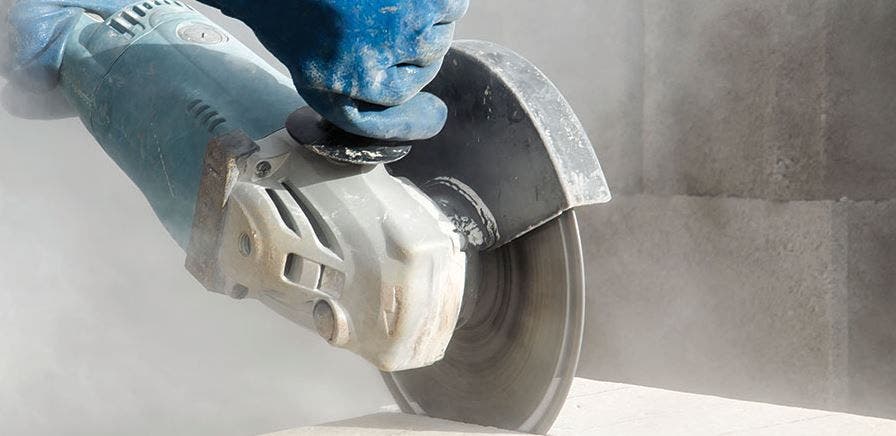
An employee’s risk of becoming ill from exposure to silica dust relies upon on the responsibilities carried out, the amount of dust they're exposed to, and the frequency of the exposures. Every exposure to silica provides into the whole load of silica inside the lungs – in other words, every exposure provides to the lung damage.
Learn methods of preventing respirable crystalline silica exposure and related illnesses
Health experts express the full silica dose one individual accumulates through the years as “mg/m3 years," commonly calculated as an average exposure every year in mg/m3 accelerated through the number of years with that exposure, or by using an estimated average for every year. As the entire dose increases, so does the probability, or the risk, for growing silicosis, or chronic obstructive pulmonary disease (COPD), and lung cancer. Some employees turn out to be unwell after a few years of low exposure levels, whilst other employees who carry out much less frequent however excessive exposure tasks can grow to be unwell with a lower cumulative exposure. Why? Due to the fact a high exposure to silica dust overwhelms the lungs’ defenses and frequently of the dust settles deep into the lungs in which it does the maximum damage. Read more Why is Crystalline Silica Hazardous.
Find out what's happening in Newarkfor free with the latest updates from Patch.
Researchers have developed estimates of the entire dose probable to cause ailment. For instance:
- Most granite workers within the U.S. the rate of loss of life from silicosis doubled at a cumulative exposure of less than 1 mg/m3.
- A latest study of pottery workers determined excessive rates of silicosis, up to twenty percent%, among employees with an average exposure of 0.2 mg/m3 over a few years.
- The chance of having lung cancer from silica exposure follows a comparable pattern, with a big chance at levels around 0.2 mg/m3 over many years, or higher exposures in a shorter time period.
- There's much less data available to estimate the hazard for COPD, but there's documentation showing that approximately 25% of cement masons, bricklayers, and plasterers have COPD after many years of work in the trade.
Those very standard estimates do not recall person susceptibility or other exposures at paintings that add onto the harm due to silica and lead to disease at an earlier age.