Schools
Rutgers Working To Invent A Better Paxlovid
Scientists say SARS-CoV-2 will eventually become resistant to its only effective oral treatment, Paxlovid.


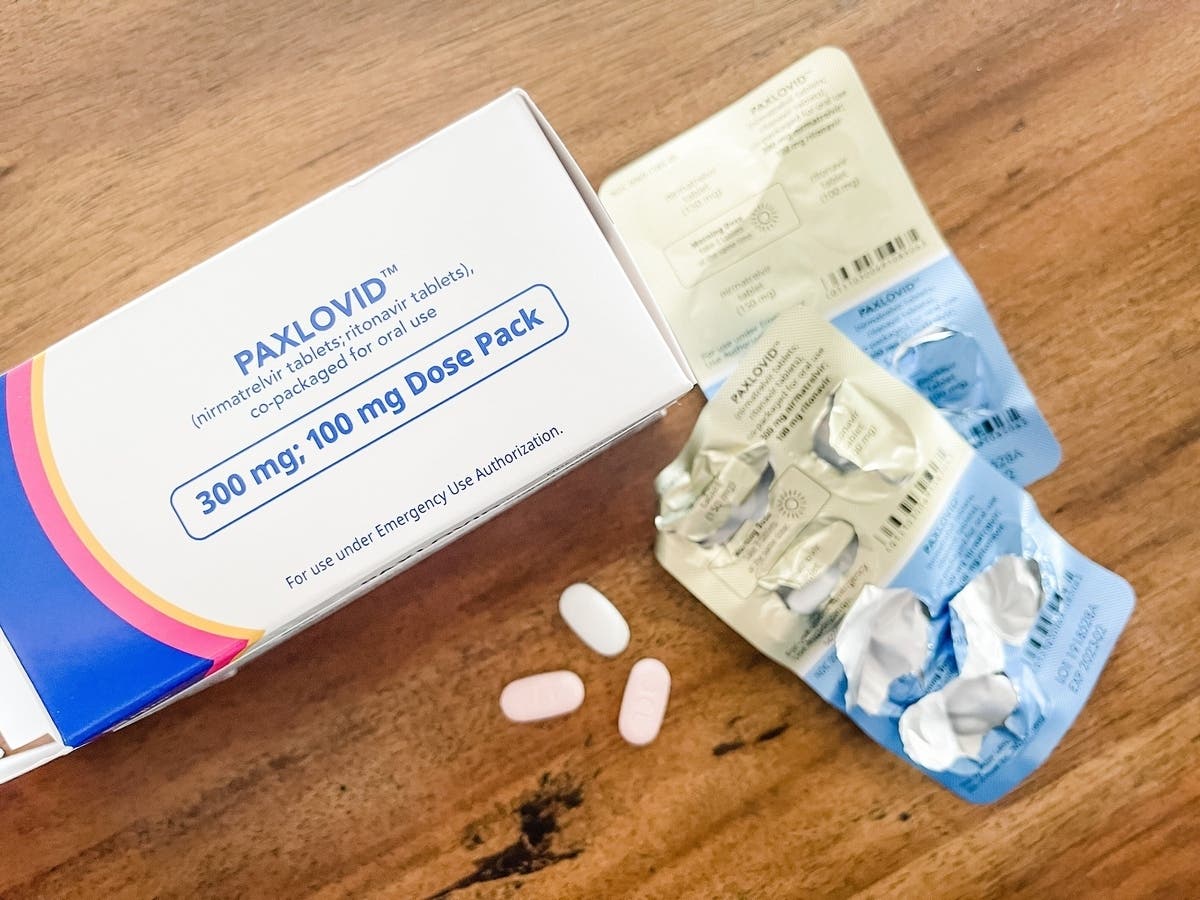
NEW BRUNSWICK, NJ — Scientists say SARS-CoV-2 will eventually become resistant to the only effective oral treatment, Paxlovid.
The world needs another, and Rutgers lab scientists say they just reached an important milestone in creating it.
Paxlovid is the antiviral medication that helps keep high-risk patients out of the hospital and from dying from COVID-19.
Find out what's happening in New Brunswickfor free with the latest updates from Patch.
“COVID-19 remains the nation’s third leading cause of death, so there’s already a massive need for additional treatment options,” said Jun Wang, senior author of the study and an associate professor who runs a research lab at Rutgers’ Ernest Mario School of Pharmacy. “That need will grow more urgent when, inevitably, COVID-19 mutates in ways that prevent Paxlovid from working.”
In December, Wang and his team published this data that shows an alternative medication, a viral papain-like protease inhibitor, inhibits disease progression in animals, a necessary step before human drug trials. The paper appears at bioRxiv, a preprint server where researchers can share new findings before they complete peer review. It has been submitted for journal publication.
Find out what's happening in New Brunswickfor free with the latest updates from Patch.
The Rutgers team hoped to make a drug that interfered with viral papain-like protease (PLpro), a protein that performs important functions in all known strains of COVID-19.
Creating such a drug required detailed information about PLpro’s structure, information discovered by researchers from the Arnold Lab at Rutgers’ Center for Advanced Biotechnology and Medicine.
Precise knowledge of PLpro’s structure enabled Wang’s team to design and synthesize 85 drug candidates that would bond to – and interfere with this vital protein.
Lab testing established that the most effective of those drug candidates, a compound dubbed Jun12682, inhibited several strains of the SARS-CoV-2 virus, including strains that resist treatment with Paxlovid.
Subsequent testing on SARS-CoV-2-infected mice at the collaborator Dr. Xufang Deng’s lab at Oklahoma State University showed that oral treatment with Jun12682 reduced viral lung loads and lesions while improving survival rates.
“Our treatment was about as effective in mice as Paxlovid was in its initial animal tests,” said Wang, who added the experimental drug appears to have at least one major advantage over the older drug: "Paxlovid interferes with many prescription medications, and most people who face the highest risk of severe COVID-19 take other prescription medicines, so it’s a real problem," he said. "We tested our candidate Jun12682 against major drug-metabolizing enzymes and saw no evidence that it would interfere with other medications.”
Disclosure: Rutgers has patented Jun12682, along with the other 84 drug candidates, and is looking for partners to help move the drug candidate forward through further stages of testing and development.
Get more local news delivered straight to your inbox. Sign up for free Patch newsletters and alerts.