Politics & Government
4 Cape May County School Districts Join Fight Against Cuts
Representatives from schools around the state gathered in Brick as the Sweeney bill to cut their aid advanced on Tuesday.


Four school districts in Cape May County are part of a coalition of districts that are calling on state legislators to take a closer look at a bill that would cut aid to dozens of school districts across New Jersey before they move forward.
Senate Bill S2, proposed by state Senate President Stephen Sweeney, would cut so-called adjustment aid to districts across New Jersey in order to push more aid to severely underfunded school districts.
Sweeney, who has taken a hard line on the cuts, says districts receiving the aid are overfunded. It was approved by the state Senate Budget Committee and heads to the Senate for a full vote Thursday.
Find out what's happening in Ocean Cityfor free with the latest updates from Patch.
Opponents of the bill say the formula used to determine state aid is severely flawed and doesn't properly calculate wealth and income.
The Brick and Toms River school districts have been vocal in their opposition to the bill, which would result in cuts of $42 million combined over seven years. They are far from alone.
Find out what's happening in Ocean Cityfor free with the latest updates from Patch.
On Tuesday, the Upper Township, Middle Township, Dennis Township and Wildwood public school districts, as well as 30 other school districts affected by the Sweeney proposal, joined them in calling for state legislators to take another look, according to a joint news release from the coalition of school districts.
The key contention: the formula used to determine state education funding is severely flawed, and has been for quite some time. Components such as wealth and income are not calculated fairly; the formula fails to take into consideration PILOTs (payments in lieu of taxes, paid by developers to towns instead of property taxes); and more than 30 towns have not had property revaluations -- a key facet in determining need -- in more than 25 years.
"Cutting aid through a formula that identifies districts that are 'overfunded' or 'underfunded' based on calculations that are materially flawed doesn't make sense," said William Doering, business administrator for the Toms River Regional School District. "Before taking money away from our students, let's make sure we correct the formula."
"We're asking legislators to take a closer look at all of this before Thursday's vote … if nothing else, to
put it off," said James Edwards, business administrator for the Brick Township Schools. "This way, nobody loses, and it gives legislators a chance to evaluate the formula."
Jeffrey Bennett, of the Fair Funding Action Committee, a group backing the Sweeney bill, says the complaints about the revaluations are inaccurate and that county tax assessors compensate for that in an equalized valuation figure that looks at recent property sales to gauge valuation. He also contents the PILOT issue is overstated.
Former state Comptroller Matthew Boxer, in a 2010 report provided to state legislators including Sweeney and current Lt. Gov. Sheila Oliver, said the net effect of PILOTs on school funding is that other towns and taxpayers across the state end up picking up the tab of property taxes that should have been paid.
"This system allows the municipality, in essence, to hide its true wealth from the school district and the state," Boxer wrote, and hurts schools the most because they receive none of the PILOT money.
The Sweeney bill, S2, would reduce adjustment aid 5 percent for the 2018-19 school year, and reductions of 8 percent in 2019-2020, 10 percent, 14 percent, 18 percent, and 21 percent, with the last portion being cut in the 2024-25 school year.
The bill is the second attempt by Sweeney to cut the aid; last summer, a budget deal between Sweeney, then-Assembly Speaker Vincent Prieto and then-Gov. Chris Christie led to cuts to that aid — more than $1.4 million in Toms River and $720,000 in Brick. Those funds were later restored by the state Department of Education.
Under S2, in districts losing aid where school spending is under adequacy — meaning it is less than what the state formula says should be spent to provide a "thorough and efficient education" as defined by the state constitution — the Sweeney bill would allow those districts to raise the property tax levy by more than the state's 2 percent cap to compensate for the lost aid. According to Sweeney, the funding formula says those districts are not paying their fair share of property taxes.
"We're in the Pinelands," said Southampton Township School District Business Administrator Barbara Godfrey, one of the districts that joined the Brick-Toms River coalition. "There's no growth opportunity for us to increase our student base, so this falls on our taxpayer sand residents."
Schools represented at the meeting in Brick included: Freehold Regional; Southampton; Millville; Hazlet; Lavalette; Weymouth; Vineland; Delaware Valley Regional; Frankford; Evesham; Clearview; Logan Township; Lacey; Pitman; Shamong; Medford; Burlington City; Dennis Township; Upper Township; Lumberton; Middle Township; Wildwood; Tinton Falls; Point Pleasant; Ocean Township; Clinton; Little Egg Harbor; Manalapan-Englishtown Regional; Manchester; Jackson; Pinelands; Plumstead; and Stanhope.
"The formula's flaws seem evident in the volume and diversity of the affected districts in attendance,which were big and small, rural and suburban, and represented populations of varying economic need," the coalition said.
"Those 34 school districts represent 13 legislative districts, which accounts for one-third of all legislative districts in NJ. Even school districts that could not attend, such as Eagleswood, reached out to express their support of and inclusion in the coalition," the release said. They represent more than 2 million voters combined, the coalition said.
The coalition noted that Gov. Phil Murphy, in his March 13 budget address, said the funding formula needs to be modernized.
"I ask you to work with me to make these changes so we can reach this goal of full, fair funding by the 2021-2022 school year. Together, we can fulfill the promises made a decade ago while ensuring that our dollars are spent according to the needs of students and districts today," Murphy said in his address to the state legislature.
"The governor himself has acknowledged the formula is flawed, so any effort to strip districts of funding in advance of getting to the core of that issue is both illogical and needlessly harmful to thousands of students," said David Healy, superintendent of the Toms River schools. "How much more of essentially dismantling our entire education systems each year can we sustain?"
Standing with the coalition was Glen Feldan, chief of staff for Legislative District 10 Sen. Jim Holzapfel and Assemblymen Dave Wolfe and Greg McGuckin, who have blasted the Sweeney bill.
Last year, Toms River Regional Schools hosted a rally on the steps of High School South in opposition to the proposed state aid adjustments. Since then, Toms River and Brick have been fighting to get legislators to revise the funding formula.
The coalition is urging parents and taxpayers to contact their local legislators about the bill. You can find yours here.
Story written by Karen Wall, Patch Staff
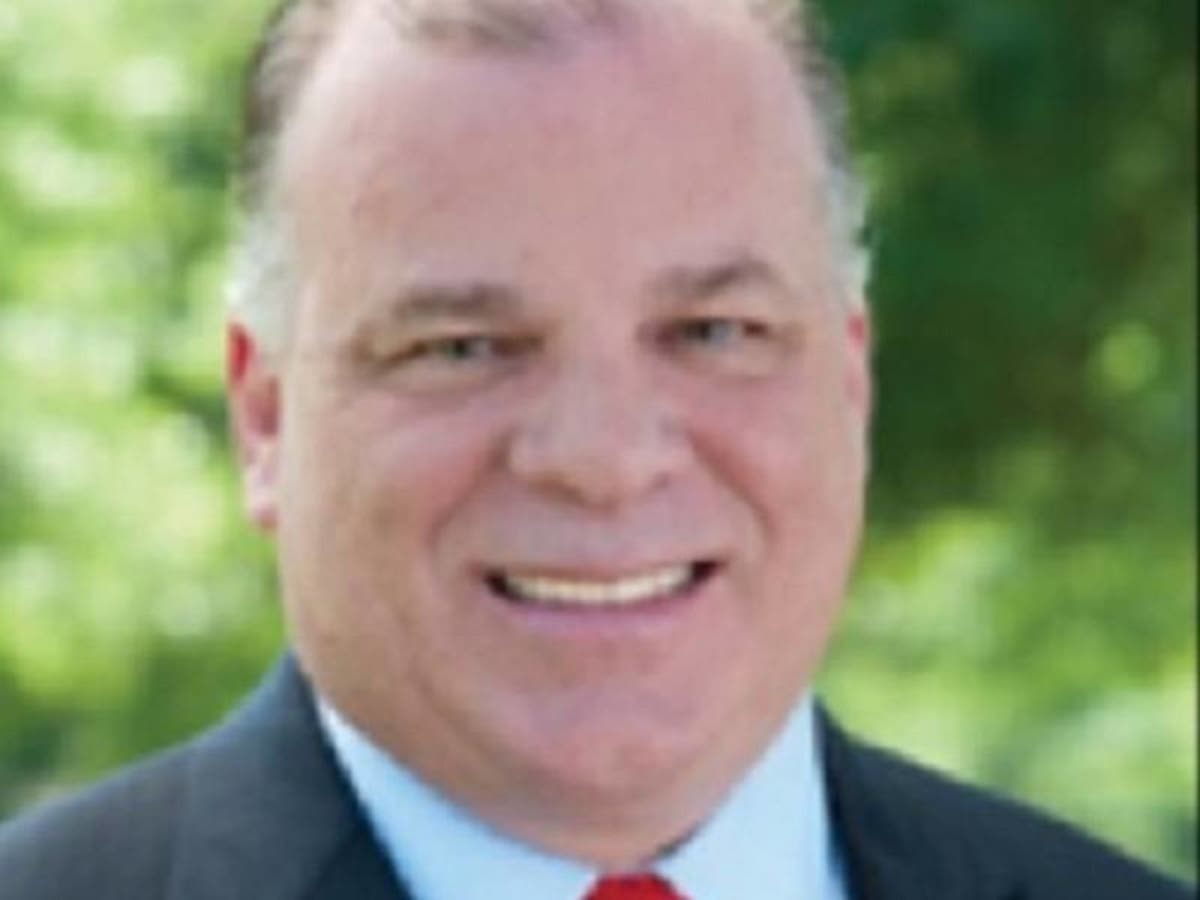
Attached image: Senate President Stephen M. Sweeney, official state photo
Get more local news delivered straight to your inbox. Sign up for free Patch newsletters and alerts.