Weather
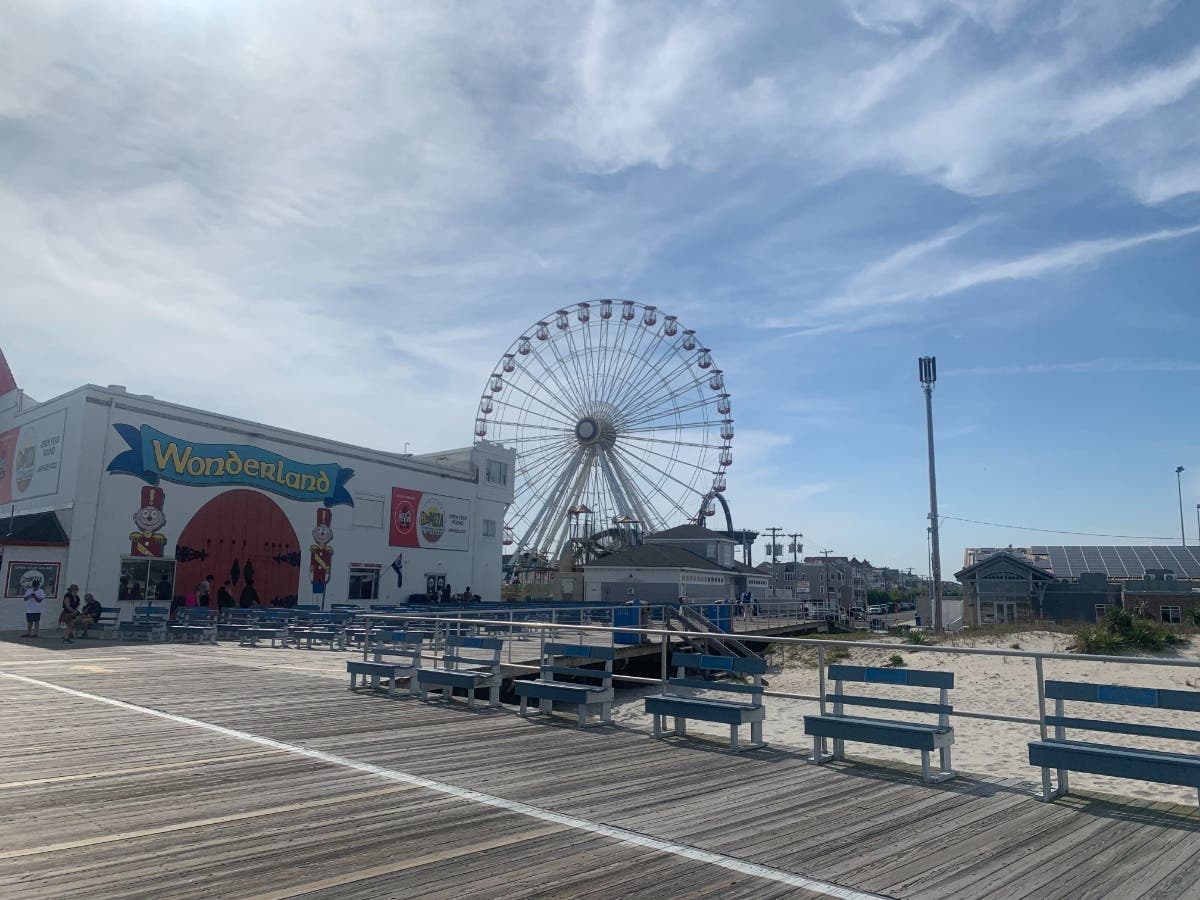
Forecasting Following Tropical Storm Hermine In Spotlight During Severe Weather Conference In Ocean City
A panel of meteorologists and emergency management personnel were on hand for the panel at the Music Pier Thursday night.


Ocean City, NJ -- Shortly before Superstorm Sandy, Ocean City hosted a Severe Weather Conference in which retired National Weather Service Meteorologist Jim Eberwine warned that a major storm would soon hit South Jersey, but he wasn’t sure when. Almost no one was in attendance to hear it.
Four years later, following the recent scare presented by Tropical Storm Hermine over the Labor Day Weekend, the Ocean City Music Pier was about two-thirds full for another conference Thursday night, with a constant stream of questions for the expert panel consisting of meteorologists and emergency management officials.
Questions ranged from what is causing the rapid rise in serious storms to what residents can do to protect themselves, as well as criticisms of media for projecting a storm that cost the shore businesses money during the final big weekend of the summer.
Find out what's happening in Ocean Cityfor free with the latest updates from Patch.
Eberwine was back on a panel alongside Fox 29 Meteorologist Kathy Orr, Press of Atlantic City and Longport Media Meteorologist Dan Skeldon, National Weather Service in Mount Holly Meteorologist Joe Miketta, Cape May County Emergency Management Director Martin Pagliughi, Atlantic County Emergency Management Director Vince Jones, Atlantic City Electric Region President Vince Maione and Jonathan Carr, founder and forecaster for Weather NJ on Facebook and Twitter.
Ocean City Office of Emergency Management Director Frank Donato moderated the discussion, which was presented by the city and the Press of Atlantic City.
Find out what's happening in Ocean Cityfor free with the latest updates from Patch.
According to Donato, there have been five FEMA declared storms since 2009, two of which called for evacuations. The last time there was a FEMA declared storm before 2009 was 2003, and the last time there was an evacuation was 1985, for Hurricane Gloria.
Orr said the atmosphere is changing as the planet warms.
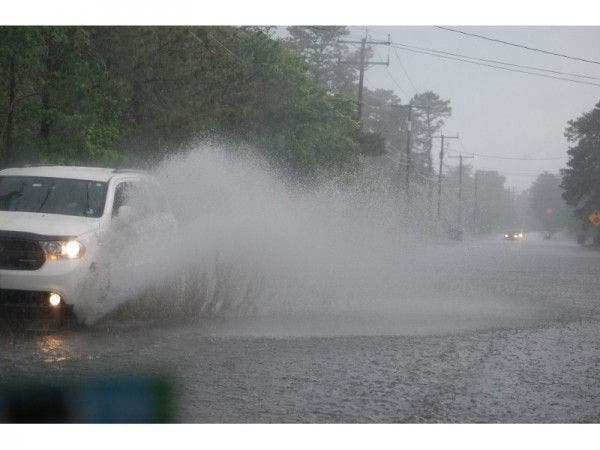
“Instead of getting showers, you get thunderstorms and flooding now,” Orr said, adding that she thinks that pattern will continue.
Eberwine and Miketta agreed, saying the Earth is definitely warming, whether or not the situation is man-made.
Miketta said the National Weather Service has raised its threshold for advisories because situations in which residents were caught off-guard by flooding was increasing. He said nor’easters are coming more frequently than they used to.
“Something’s definitely happening, and we’ve had to adjust our numbers to compensate for nature,” Miketta said.
However, members of the panel were wary of the possibility that too many alerts warning of devastating storms may result in a “boy who cried wolf” atmosphere in which people don’t take the warnings seriously.
“People tend to think the next storm will be like the last one,” Skeldon said. “I fear we’re going to have a difficult time producing the next forecast because of Hermine. I’m fearful tourists will come down because Hermine wasn’t a big deal and Emergency Management’s job will be difficult.”
“There’s a disconnect between meteorologists and the public that needs to be repaired,” Carr said.
Despite the difficulties accurately predicting what would happen with Hermine, the panel said weather forecasting is getting better as technology improves.
Miketta said competition between Europe and America is breeding better and more accurate technology on both sides of the ocean, but it’s not perfect.
He said that it’s difficult to track weather out on the ocean because there is one buoy for the entire forecast area. He said getting more buoys is a political process because they can cost $1 million, they have to find the right place to put them, and they have to be maintained.
“There has to be a major push for more buoys,” Miketta said. “It has to be more than just Joe Miketta saying we need more buoys.”
One boater in the office offered to help with the forecast using equipment he has out on the ocean, and one woman suggested a social media campaign to help get more buoys.
Meteorologists base their forecasts on a variety of factors using computer projections, and residents can see what the tide will look like along bays where there are gauges set up.
In Ocean City, there is a gauge at the Bayside Center. Readings are available at waterdata.usgs.gov.
Miketta said that in the future, it was likely that residents would be able to access information meteorologists use in their forecasts as quickly as they do. While a small portion of people may do this, most will continue to rely on meteorologists and the media to get their forecasts.
One person in attendance called on forecasters to be more mindful of business owners when giving a forecast.
“It’s difficult because we need to get people out, but we know what it does to businesses,” Miketta said. “It’s a tough thing. We know we need to get better and we’re working toward that.”
The panel agreed that for as much as there’s a fear of overestimating the impact of a storm, they also don’t want to downplay something that turns out to be devastating, and put people at risk unnecessarily.
“Everyone was saying this storm was going to be bad,” Skeldon said. “We always have to prepare for the worst, even if there is a little bit of a fear factor."
Get more local news delivered straight to your inbox. Sign up for free Patch newsletters and alerts.