Community Corner
Coronavirus Increases Hunger: Find A Food Bank Around Ocean City
COVID-19 sent millions of Americans, including some in Cape May County, into an economic tailspin that's being felt at the dinner table.


CAPE MAY COUNTY, NJ — When you look around Cape May County, it’s easy to see the effects the coronavirus has had on our way of life. What’s less visible is the number of people who are now worrying about having enough to eat.
Feeding America, the nation’s largest hunger relief organization, says coronavirus-related economic crises could push the number of food insecure Americans to 54 million by year’s end. That’s 17 million more Americans than who were food insecure before the pandemic. For some, it’s a matter of running short on grocery money before the week is out and eating a lot of boxed pasta and rice dishes.
For others, food insecurity means real hunger.
Find out what's happening in Ocean Cityfor free with the latest updates from Patch.
In Cape May County, about 11,000 were considered food insecure before the pandemic, according to Feeding America’s “Map the Meal Gap” interactive study.
Job loss and other economic crises associated with the coronavirus could push the rate of food insecurity in Cape May County to 17.9 percent by the end of the year — the second-highest rate in New Jersey behind only Atlantic County at 18.2 percent.
Find out what's happening in Ocean Cityfor free with the latest updates from Patch.
Feeding America reports both higher demand for services and more need for volunteer and donor support.
Some of the nearby food pantries include the Ocean City Ecumenical Food Cupboard — the cupboard is closed, but clients can call from 12:30-3 p.m. Monday through Thursday.
RELATED: Millions Made Hungry During Pandemic Could Include Your Neighbor
Food insecurity is often thought of as a “poor people’s problem,” but not all people living in poverty are food insecure, and not all food insecure people live in poverty. Food insecurity is a complex issue sandwiched in with other systemic challenges, including poverty, low wages, affordable housing shortages, chronic and acute health problems, high medical costs and social isolation.
“Our members are reporting that many of the people they’re serving have never sought food assistance before,” Kathryn Strickland, Feeding America’s chief network officer, told Patch. “Some people are reporting that people who formerly donated to food banks are now seeking assistance.”
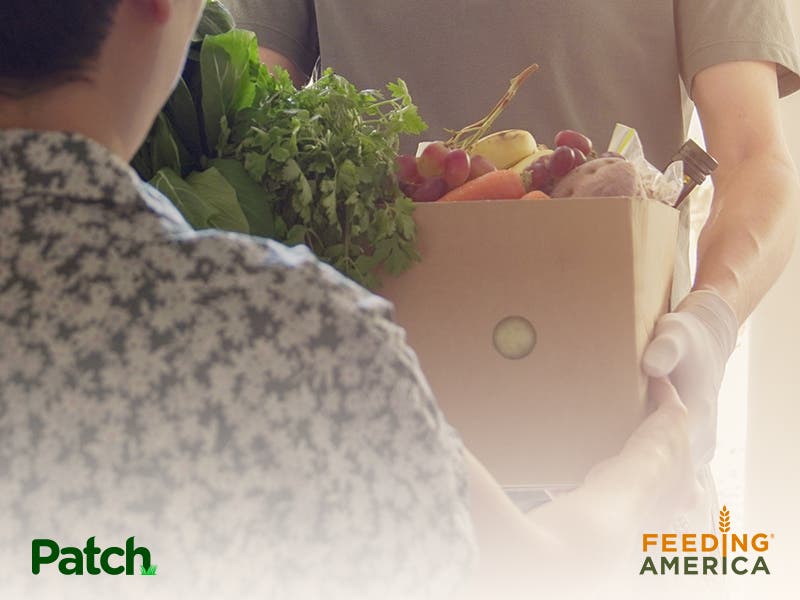
Patch has partnered with Feeding America to help raise awareness on behalf of the millions of Americans facing hunger. Feeding America, which supports 200 food banks across the country, estimates that in 2020, more than 54 million Americans will not have enough nutritious food to eat due to the effects of the coronavirus pandemic. This is a Patch social good project; Feeding America receives 100 percent of donations. Find out how you can donate in your community or find a food pantry near you.
Get more local news delivered straight to your inbox. Sign up for free Patch newsletters and alerts.