Politics & Government
Ocean City Reaches Agreement On Affordable Housing Obligation
The city announced that a settlement had been reached at the July 12 council meeting.


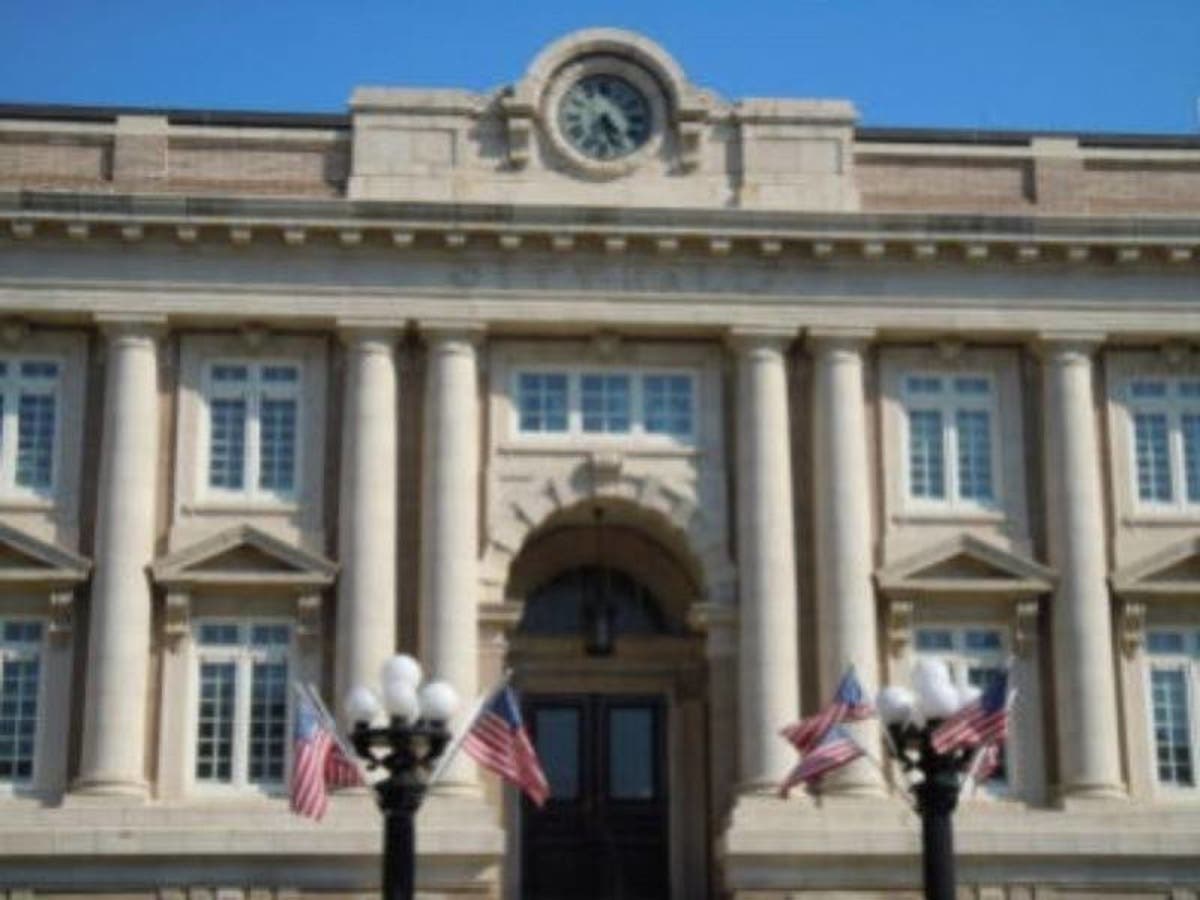
OCEAN CITY, NJ — Ocean City has reached an agreement to settle its affordable housing obligations. Ocean City and the Fair Share Housing have agreed that the city’s obligation for low- and moderate-income housing is 1,687 units by 2025, according to the settlement. The city announced that a settlement had been reached at the July 12 council meeting.
Two court decisions in the 1970s established that municipalities must have an affordable housing aspect included in their master plans. Two rounds of obligations were met statewide, but there has been a long stall as it relates to the third round of affordable housing requirements.
The number of required affordable housing units in municipalities statewide has been in dispute, and often in litigation, since 1999. In 2015, authority concerning setting affordable housing requirements for municipalities throughout the state fell on the courts.
Find out what's happening in Ocean Cityfor free with the latest updates from Patch.
The Fair Share Housing Center, a public interest group established in 1975 to monitor, enforce and expand guidelines for affordable housing requirements, has acted as an intervenor on the issue throughout the state. Fair Share Housing and Ocean City reached an agreement on 1,687 units based on Ocean City’s prior need of 411 units and the third round need of 1,276 units.
- Two single-family homes that were developed in 2002 and are for sale at 613 Simpson Avenue and 626 Simpson Avenue;
- The promised development of 10 two- and three-bedroom rental family units at 224 Simpson Avenue (duplex), 240-244 Haven Avenue (two duplexes) and two duplexes on the street end at 36th and Bay;
- 100 percent affordable senior rentals at Bayview Manor, 601 West Avenue, to be developed in collaboration with the Ocean City Housing Authority (OCHA). This would account for 20 units;
- 100 percent affordable family rentals at the Peck’s Beach Village north site, to be developed in collaboration with OCHA. There would be 40 affordable units, with Ocean City receiving an additional 15 credits for this development; and
- 100 percent affordable family rentals at the Peck’s Beach Village south site, to be developed in collaboration with OCHA. This would account for 20 units.
The city will also acquire three affordable homes through the Market to Affordable program. Market-affordable housing consists of non-subsidized rental units affordable to households. The city would purchase homes, and resell them as affordable units. All of this accounts for 110 units.
Find out what's happening in Ocean Cityfor free with the latest updates from Patch.
Ocean City previously received a Vacant Land Adjustment, back in 2000. This is a when “municipality shows it does not have adequate resources (land water and/or sewer) to provide a realistic opportunity for addressing the need for low and moderate income housing,” according to the applicable affordable housing rules. The sides agreed that this would remain in place and updated.
After all these factors were calculated, Ocean City was left with an unmet need of 1,469 units. There are several methods for filling this unmet need.
The city will engage in inclusionary overlay zoning of all R-2 zone districts. The zoning ordinance the city will adopt to meet this requirement will increase the density from the current 20 units per acre in duplexes to 30 units per acre; modify bulk standards and increase the maximum building height to three habitable stories; and expand the permitted use to include multi-family housing.
Ocean City will also increase the density and bulk standards for residential uses in business zones, and require an inclusionary component. To this end, Ocean City will adopt zoning ordinances that continue to prohibit dwelling units on the first level of any buildings in the neighborhood business and 34th Street Gateway zones. The density in those two zones would increase from 10.9 units per acre to 16 units per acre and increase the building height to three habitable floors.
It would also increase the density in the Central Business and the CB-1 zones from 30 units per acre to 40 units per acre and increase the maximum building height to four habitable floors. Residential uses will be added to the conditional uses in the Drive-In Business Zone. This is subject to the same conditional use, density and bulk requirements as for residential uses in the Central Business and CB-1 zones.
Ocean City would also adopt an ordinance that sets an affordable housing set-aside of 20 percent for units that are for sale, and 15 percent for units that are for rent throughout the city. This set-aside will be for all new multi-family residential developments of five or more additional units beyond what is currently permitted developed at a rate of six or more units per acre. These developments become possible variances, rezoning, or new or amended redevelopment or rehabilitation plans.
The agreement states that the set-aside doesn’t mean developers will necessarily be granted the rights to build these developments, and the city will not be obligated to grant any of the necessary stipulations to build these developments.
It also doesn’t apply to sites that are zoned for inclusionary residential development or for which an inclusionary residential development plan has been adopted. No site will be allowed to sub-divide to avoid compliance.
Thirteen percent of the units in this agreement will be very low-income, with half of those very low-income units available to families. No more than 25 percent of the units can be age-restricted.
Patch file photo
Get more local news delivered straight to your inbox. Sign up for free Patch newsletters and alerts.