Business & Tech
Poker Pro Beat N.J. Casino For $9.6M, But May Have To Give It Back
Phil Ivey's use of "edge-sorting" to win millions at the Borgata in Atlantic City wasn't fraud but may be breach of contract, a court ruled.


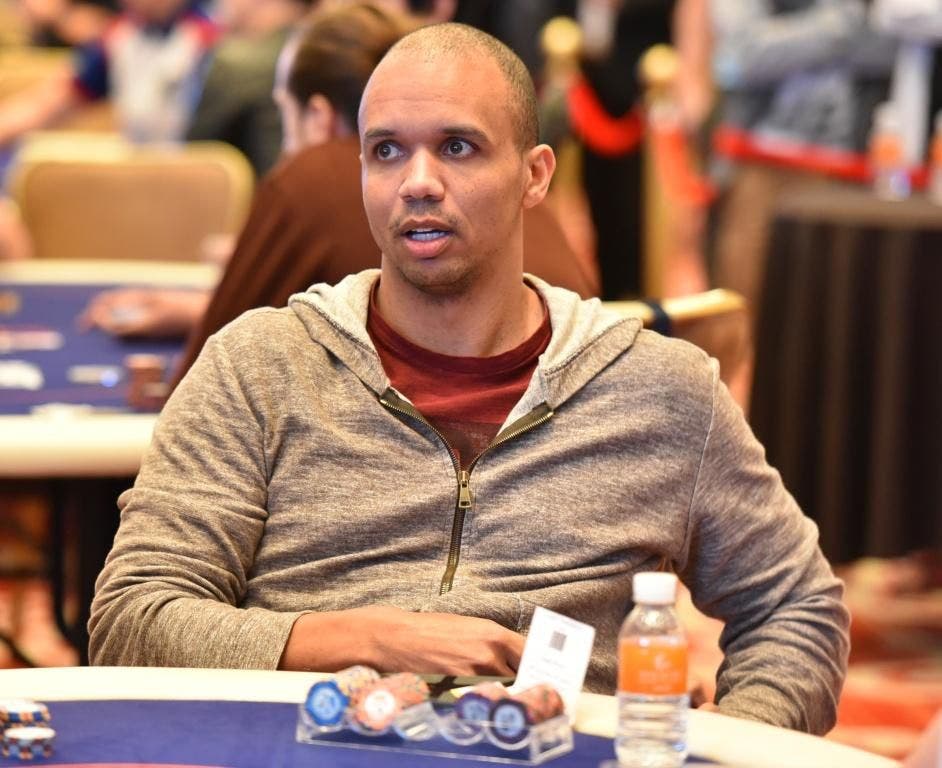
ATLANTIC CITY, NJ — A federal judge has ruled that professional poker icon Phil Ivey’s alleged use of “edge-sorting” to win $9.6 million playing baccarat at the Borgata Hotel Casino & Spa isn’t fraud… but he still may have to pay the winnings back.
According to a U.S. District Court ruling last week, Ivey – often called the “Tiger Woods of Poker” – won the money at the Borgata over a four-day period in 2012 with the help of a female associate, Cheng Yin Sun.
Using a technique called “edge-sorting,” Ivey and Sun allegedly managed to detect small manufacturer imperfections in the casino’s playing cards, gaining a huge advantage over the house, the court ruling stated.
Find out what's happening in Ocean Cityfor free with the latest updates from Patch.
U.S. District Judge Noel Hillman ruled that Ivey and Sun – while not guilty of fraud – violated the Casino Control Act and were liable for breach of contract.
The ball returns to Borgata’s court, which was given 20 days to provide the total damages that it was seeking against Ivey and Sun for their alleged breach of contract. Ivey and Sun will then have 20 days to respond to Borgata’s claims.
Find out what's happening in Ocean Cityfor free with the latest updates from Patch.
HOW WAS IT ALLEGEDLY DONE?
According to court documents, the Borgata allegedly arranged for Ivey to play a high-stakes game of baccarat in April of 2012 after he provided a deposit of $1 million and agreed to a maximum bet of $50,000 per hand.
In return, the casino allowed Ivey certain privileges:
- A private area or “pit” in which to play
- A guest (Sun) who would be allowed to sit with him at the table while he played
- A casino dealer who spoke Mandarin Chinese
- One, eight-deck shoe of purple Gemaco Borgata playing cards to be used for the entirety of each session of play
- An automatic card shuffling device to be used to shuffle the cards after each shoe was dealt
Over the next four days – gambling for dozens of hours - Ivey allegedly asked Sun to tell the dealer to rotate certain “high-value” cards 90 degrees, which helped him identify small flaws on the cards and make appropriate bets.
In addition, the shuffling device allegedly allowed Ivey to set up a deck that allowed him to make more accurate reads of the next card.
Photo: Wikimedia Commons
Get more local news delivered straight to your inbox. Sign up for free Patch newsletters and alerts.