Health & Fitness
15 Toxic-Sting 'Clinging' Jellyfish Spots At Shore This Week
Twenty have been found at Jersey Shore. Where are they? What towns? Here's what to expect from the potentially dangerous jellyfish.


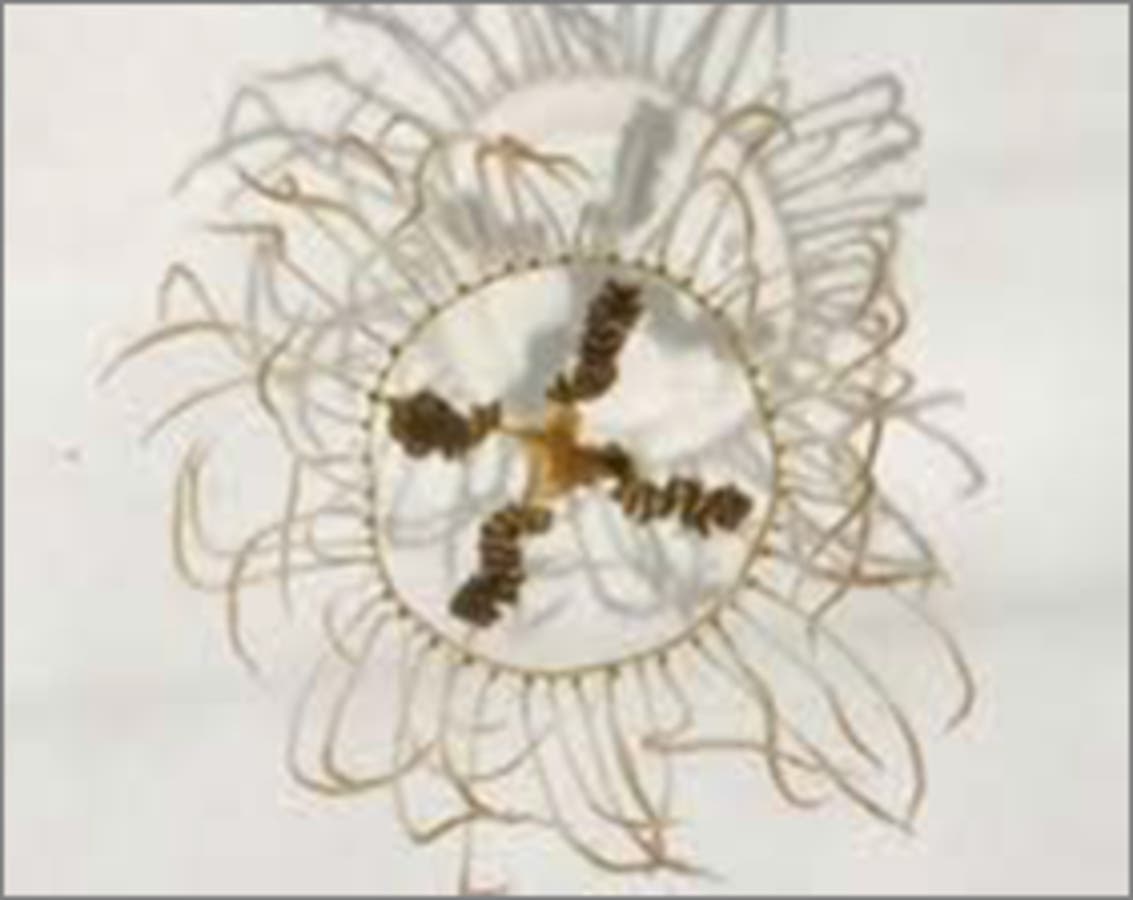

Fifteen "clinging" jellyfish spots were discovered at the Jersey Shore this past week, Twenty have been discovered at the Shore since May.
The Department of Environmental Protection wants users of northern Barnegat Bay to exercise caution following confirmation of the clinging jellyfish, a non-native species with a powerful sting, in Brick, Point Pleasant Boro and elsewhere.
The clinging jellyfish, a native to the Pacific Ocean, is small and very difficult to spot in the water. A sting can produce severe pain and other localized symptoms and can result in hospitalization in some individuals.
Find out what's happening in Point Pleasantfor free with the latest updates from Patch.
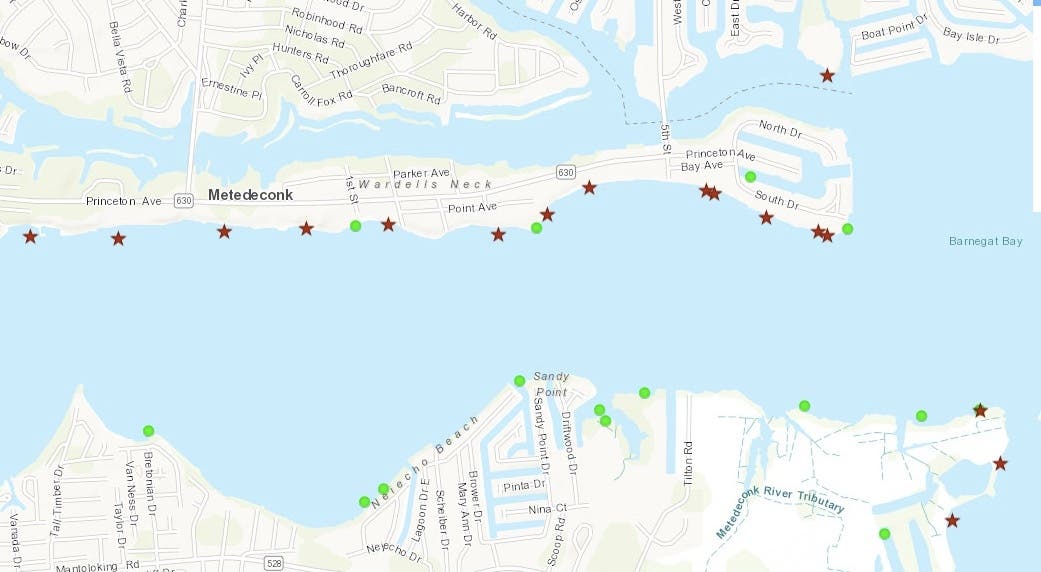
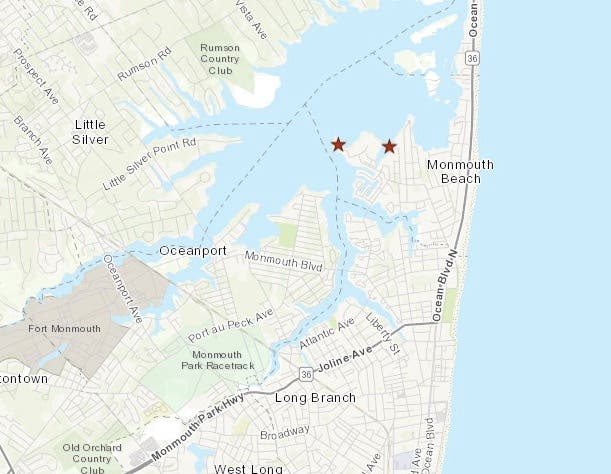
Patch put together a map showing where they were found. See below.
The DEP and Montclair State University this week performed additional surveys in the northern bay and Metedeconk River after clinging jellyfish were confirmed in the river earlier this month. The Metedeconk flows into the northern bay.
Find out what's happening in Point Pleasantfor free with the latest updates from Patch.
In addition to advisories for northern Barnegat Bay and the Metedeconk River, the DEP reminds recreational users of the Shrewsbury and Manasquan rivers – Monmouth County waterways where the clinging jellyfish had been confirmed in recent years – to also be alert to its possible presence.
The clinging jellyfish is not known to inhabit ocean beaches or other sandy areas but tends to attach itself to submerged aquatic vegetation and algae in back bays and estuaries, areas not heavily used for swimming.
The DEP encourages the public to use common sense and caution in areas where the jellyfish are suspected. Anyone wading through these areas, especially near aquatic vegetation, should take precautions, such as wearing boots or waders to protect themselves. Swimming at lifeguarded beaches is always encouraged.
The clinging jellyfish was first confirmed in New Jersey in 2016 in the Manasquan River at the Point Pleasant Canal. The DEP has been working with Montclair in studying the possible distribution of clinging jellyfish in New Jersey.
If stung by a clinging jellyfish:
- Apply white vinegar to the affected area to immobilize any remaining stinging cells.
- Rinse the area with salt water and remove any remaining tentacle materials using gloves or a thick towel.
- A hot compress or cold pack can then be applied to alleviate pain.
If symptoms persist or pain increases instead of subsiding, seek prompt medical attention.
Here's where they were found:
Point Pleasant Boro
- N Barnegat Bay - N Beaver Dam Creek, June 18
Brick
- Metedeconk River, June 18
- N Barnegat Bay - Herring Island, June 18
- Metedeconk River, south of Jordan Road bridge, June 18
- Metedeconk River, southeast of Jordan Road bridge, June 18
- Metedeconk River, south of 1st Street, June 18
- Metedeconk River, south of Point Avenue, June 18
- Metedeconk River, southeast of Point Avenue, June 18
- Metedeconk River, south of Princeton Avenue bridge, June 18
- Metedeconk River, south of Beaver Dam bridge, June 18
- Metedeconk River, southeast of Beaver Dam bridge, June 18
- Metedeconk River, south of Jordan Road bridge, June 18
- Metedeconk River, south of South Drive, June 11
- Metedeconk River, southeast of South Drive, June 11
- Metedeconk River, south of North and South drives June 18
- Metedeconk River, west of Swan Point, June 11
- N Barnegat Bay - Wardells Neck, June 18
- N Barnegat Bay - Wardells Neck, north of Mantoloking Bridge, June 18
Monmouth Beach
- Shrewsbury River (at the hook), May 23
- Shrewsbury River - Raccoon Island
DEP photo
Get more local news delivered straight to your inbox. Sign up for free Patch newsletters and alerts.