Politics & Government
4 Taxes NJ Possibly Faces As Gov. Phil Murphy Introduces Budget
Watch Gov. Murphy: Taxes on parking, a so-called "rain tax:" Here's what you may have to pay as the state and towns run short of money.


A new tax on parking? A so-called "rain tax?"
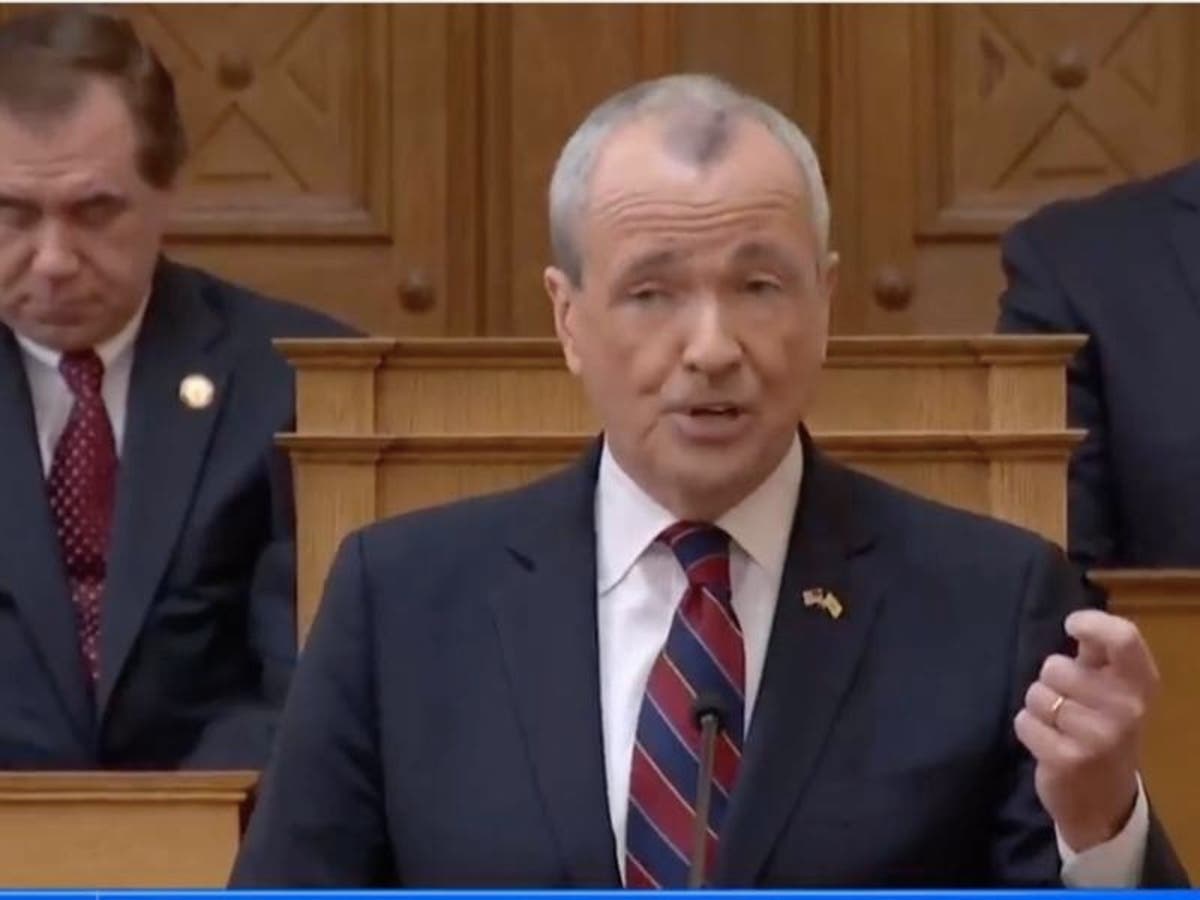
New Jersey Gov. Phil Murphy delivered his Fiscal Year 2020 Budget Address in the Assembly Chamber at the New Jersey State House on Tuesday, but he did it while keeping an eye on raising revenues – and doing it through taxes (watch address below).
Read more: 6 Points In NJ Gov. Phil Murphy's Budget Address That Affect You
Find out what's happening in Point Pleasantfor free with the latest updates from Patch.
Murphy introduced a new tax proposal – a new "millionaire's tax" – to offset the state's budget woes and help fix New Jersey's broken pension system.
Indeed, lawmakers and/or Murphy himself have approved or endorsed at least four taxes that are intended to help a state that's running short of money, as well as municipalities that are struggling financially and need to boost their mass transit systems, among other things (see taxes below).
Find out what's happening in Point Pleasantfor free with the latest updates from Patch.
To avoid a budget shutdown last year, Murphy agreed to take a sales tax hike to 7 percent "off the table" and he raised the threshold on his so-called millionaire's tax proposal.
Instead, the governor and the state Legislature raised taxes to 10.75 percent on those earning $1.75 million or more – up from Murphy's initial demand $1 million. He said then that the tax hike would raise $550 million.
This time, as the state deals with declining revenues, Murphy suggested that he'll push for something closer to his original demand.
“New Jersey deserves a budget built upon the values that can deliver a more secure and growing middle class – sustainable savings, responsible fiscal management, smart and targeted investment, and fairness,” said Murphy. “Over the past year, we have done much to restoke New Jersey’s competitive fires and put our state on a new trajectory for a stronger future. On Tuesday, we’ll continue that mission with a budget that invests in New Jersey’s middle class and those working hard in hopes of joining its ranks.”
The budget addresss comes as the Department of the Treasury reported that January revenue collections for the major taxes totaled $4.042 billion, up $225 million, or 5.9 percent above last January. Year-to-date, total collections of $16.942 billion are up $493.8 million, or 3.0 percent above the same period last year.
But Gross Income Tax (GIT) receipts of $2.207 billion, which are constitutionally dedicated to the "Property Tax Relief Fund," are down 4.8 percent compared to last January. Year-to-date collections of $7.874 billion are down 6.0 percent, or $503.4 million, according to treasury officials.
Besides the millionaire's tax, here are three other taxes that could have millions of New Jerseyans digging for more money out of their pockets:
Parking tax
The Asssembly, by a 41-33 vote, recently passed a bill that would allow any town with a population exceeding 100,000 residents to impose a 3.5 percent tax on parking. Those cities and towns would include Newark, Jersey City, Paterson, Elizabeth, Edison and Woodbridge.
The "mass transit pedestrian access parking tax" may be imposed in addition to parking taxes already authorized by those municipalities, but doesn't apply to special events.
Assemblywoman Shanique Speight, D-Essex, said the bill would allow certain municipalities to impose parking taxes to fund projects to improve pedestrian access to mass transit. “What this will help do in my community is help provide accessibility to mass transit,” Speight said. “We have the airport in our community, we have the theaters, we have big corporations.”
Assemblyman Anthony M. Bucco, R-Morris, said Democrats "continue to impose additional taxes on residents who are already being taxed to death."
"All of these taxes make New Jersey more unaffordable,” said Bucco. “It is going to hurt commuters and tourists who visit the cities. We can’t keep going back to the well. It’s death by a thousand cuts.”
The "rain tax"
The so-called "rain tax," as Republicans dubbed it, permits counties, municipalities and certain authorities to establish stormwater utilities and related fees and other charges. The legislation passed both houses and awaits Murphy's signature.
An advocacy group called New Jersey Future said the bill "provides municipalities, counties, utilities and authorities with a long-needed tool to manage flooding and dirty runoff from rainwater."
"Most importantly, it gives communities a way to access new resources in a fair and equitable manner, and invest in related benefits such as additional green space. We urge the governor to sign it," said Chris Sturm, New Jersey Future's managing director for policy and water.
Republicans, however, are complaining that the new legislation will allow lawmakers to expand what's already an unfair burden on New Jersey residents who were saddled with several new taxes in 2019.
Assemblyman Christopher DePhillips said the "rain-tax" bill permits local communities to tax "based on the weather," and allows unlimited bonding and debt to be placed on the backs of property taxpayers.
"The last thing this state needs is more debt and another runaway tax. Especially one that taxes the weather," said DePhillips, R-Bergen. "I implore my colleagues on the other side of the aisle: Let's not do this, let's vote down this bill together, let's vote no and consider financially responsible alternatives to this legislation."
Tax levy dedicated to arts and culture through a public question.
The bill, which was approved by the Assembly in a 44-32 vote, would permit a municipality to adopt an ordinance allowing an annual "tax levy" dedicated to arts and culture funding.
The levy would have to be approved by a majority of voters in the municipality through a public question in a general or special election.
"The arts and our creative economy are vital to our urban communities, to the state's cultural identity, and to the overall economy, contributing nearly $520 million annually," said Assemblyman Raj Mukherji, D-Hudson. "This legislation will allow voters to decide if their municipalities should create a dedicated source of funding for the arts and provide much needed stability for additional programming and local venues."
Watch the budget address here:
Get more local news delivered straight to your inbox. Sign up for free Patch newsletters and alerts.