Crime & Safety
6 Biggest Terrorism Threats Facing NJ Right Now, Report Says
Here's why these six threats pose danger to New Jersey, and here are 6 people who have caused the most trouble.


Terrorism is still a big threat to New Jersey – but it's not presenting itself in a way you may remember, or expect.
The 2019 Terrorism Threat Assessment was released this past week, detailing what it considers the "threat landscape" throughout New Jersey and who has caused and perpetuated the biggest dangers.
The New Jersey Office of Homeland Security and Preparedness has identified at least six forms of terrorism that are the biggest threats in New Jersey.
Find out what's happening in Point Pleasantfor free with the latest updates from Patch.
“The threats to New Jersey and around the country are constantly evolving, and we have had to adapt our methods of prevention and response,” said Jared Maples, director of NJ Office of Homeland Security. “NJOHSP remains dedicated to being at the forefront of intelligence analysis in the physical and cyber realms through continuous integration and innovation of intelligence collection and technology along with our private- and public-sector partners.”
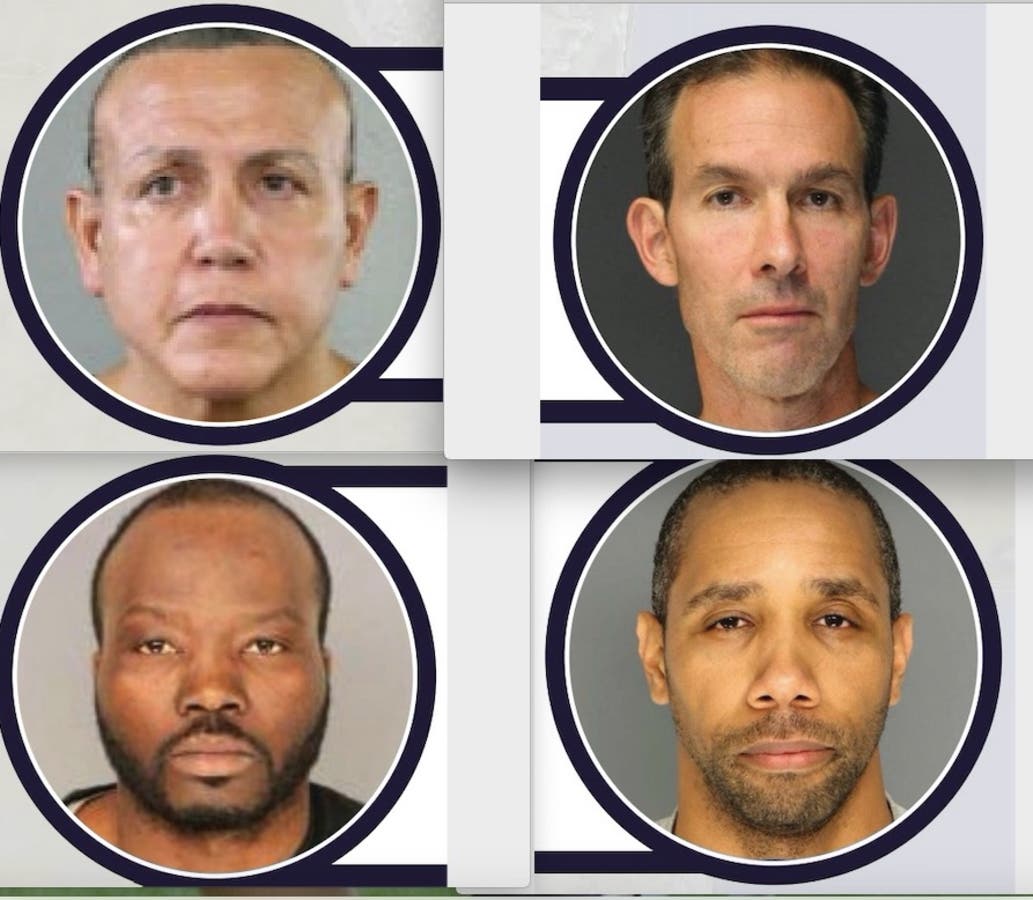
Here are six people idenified by state officials who they say caused the most trouble in 2018:
Find out what's happening in Point Pleasantfor free with the latest updates from Patch.
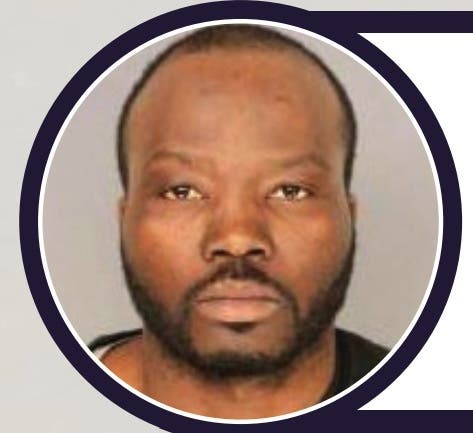
- Anti-Abortion Extremist (Feb. 14): Marckles Alcius deliberately crashed a stolen truck into a Planned Parenthood clinic in East Orange (Essex County), injuring three people. Following his arrest, Alcius stated that he intentionally conducted the attack and he was willing to die, according to the Essex County Prosecutor’s Office. Additionally, investigators stated Alcius had conducted preoperational planning and researched several Planned Parenthood locations in New Jersey, Rhode Island, and Massachusetts.
![]()
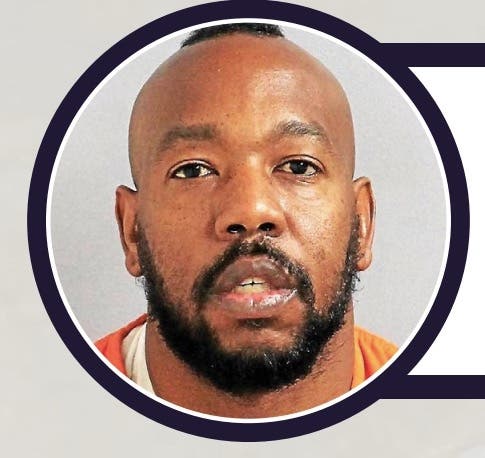
- Sovereign Citizen Extremist (May 23): NJOHSP detectives arrested and charged Courtney Alexander of Irvington on two counts of second-degree fraudulent filings and one count of third-degree retaliation against a witness for a prior incident. In 2015, Alexander placed fraudulent liens against two police officers who issued him a traffic citation, as well as a local prosecutor and a municipal judge assigned to the case, officials say. Alexander is the first New Jersey resident charged under a new law for filing fraudulent liens.
![]()
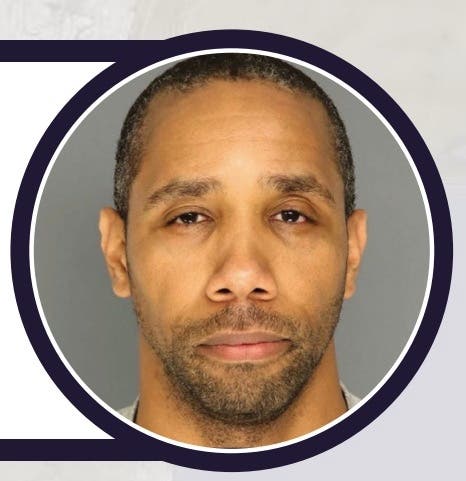
- Anti-Government Extremist (July 28): Authorities arrested Dereal Finklin of Plainfield for posting a picture of New Jersey Rep. Chris Smith accompanied with a threatening message. Finklin posted the picture under a Facebook alias, “Israel Bey,” and made a series of online death threats. On October 19, Finklin pleaded guilty to fourth-degree cyber harassment.
![]()
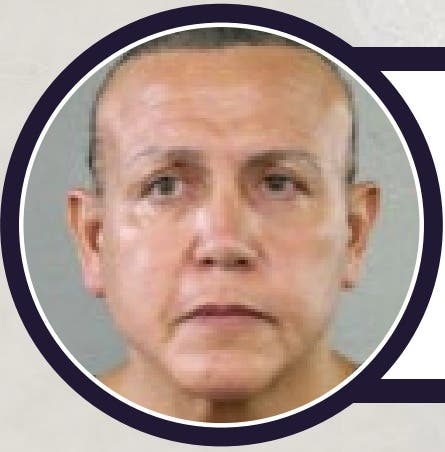
- Anti-Government Extremist (Oct. 26): Federal authorities arrested Cesar Sayoc Jr. for mailing 16 packages containing IEDs to prominent figures and supporters of the Democratic Party, including US Senator Cory Booker from New Jersey. Sayoc’s charges include interstate transportation of an explosive, illegal mailing of explosives, threats against former presidents and certain other persons, threatening interstate communications, and assaulting federal officers, officials say.
![]()
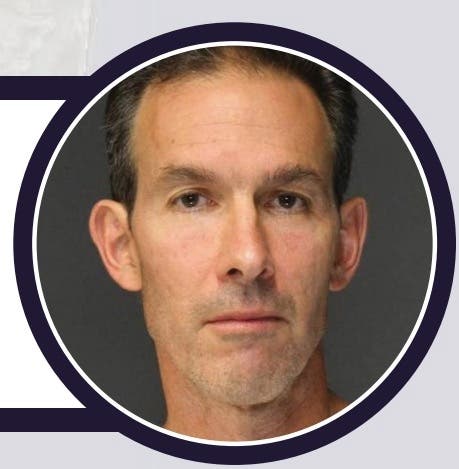
- Anti-Government Extremist (Oct. 9): Authorities say they arrested Paul Rosenfeld for plotting to detonate a 200-pound improvised explosive device (IED) on Election Day in Washington, DC, in furtherance of his political views. Rosenfeld ordered large quantities of black powder over the Internet, which he transported from Bergen County in New Jersey to his residence in New York, officials say.
![]()
Here are the threats:
Homegrown Violent Extremists
Homegrown violent extremists continue to pose the greatest threat to the state because of their support for terrorist groups overseas, the unpredictable nature of their attacks, and their inclination to view online propaganda, officials say.
Here's why:
- These are individuals inspired — as opposed to directed—by foreign terrorist organizations and radicalized in the countries in which they are born, raised and reside, officials say.
- While foreign terrorist groups encourage them to carry out attacks, their actions are often influenced by personal grievances.
- Fifteen individuals were identified as homegrown violent extremists nationwide in 2018, representing a 59 percent decline from 37 individuals in 2017 and continuing the downward trend since 2015.
Anarchist Extremists
Anarchist extremists, the report says, will mobilize in response to issues they believe are unjust, carry out criminal and violent acts during otherwise First Amendment-protected events and protests, and target perceived enemies.
"Throughout 2018, anarchist extremists were actively engaged in criminal activities in the tri-state region, resulting in at least 20 arrests."
ISIS
In 2019, the report says, ISIS will maintain its insurgency in Iraq and Syria, support its global affiliates, and "attempt to inspire attacks through propaganda dissemination."
"After almost a year of silence from ISIS’s leader, Abu Bakr al-Baghdadi, the group released an audio message from him attempting to encourage lone acts of violence and urge followers to conduct simple attacks using knives, firearms, bombs, or personal vehicles."
Militia Extremists
Militia extremists across the United States, the report says, will oppose unlawful immigration, attempt to intimidate Muslims, and encourage violence at protests, a departure from previous encounters with the federal government.
"Claiming that the 'Deep State' is preparing for 'illegitimate power,' one national militia group
announced it would organize training sessions across the country aimed at helping militia members prepare for 'lethal force' at various events."
Sovereign Citizen Extremists
Law enforcement remains the primary target of sovereign citizen extremists nationwide, the report says, as "they threaten to retaliate against those who challenge their ideology, stockpile weapons, and continue to attack police."
"In 2018, sovereign citizen extremists conducted four attacks throughout the country, three of which targeted law enforcement, using small arms and explosives as methods."
White Supremacist Extremists
White supremacists nationwide, the report says, are altering their public image to appear less extreme, leveraging perceived fears, and rebranding in order to conceal their hate-driven ideology.
"Since late 2017, a new generation of white supremacists has shifted from a national movement to disparate groups that concentrate on the alleged political and social interests of the white race."
Domestic extremist attacks also decreased from 23 in 2017 to 16 in 2018. Individuals or groups following anti-government, race-based, and single-issue ideologies were responsible for these incidents.
The 2019 assessment is NJOHSP’s 12th edition and will drive the strategic direction of the state’s counterterrorism efforts in the year to come, officials say.
For more information and to view the 2019 Terrorism Threat Assessment, visit NJOHSP’s website. Additionally, NJOHSP will release a series of "Intelligence. Unclassified." podcasts over the coming weeks that delve deeper into the topics covered throughout the assessment.
These podcasts will be available online or by subscribing on iTunes, Google Play, or your preferred podcast application.
NJ Dept. of Homeland Security photos
Get more local news delivered straight to your inbox. Sign up for free Patch newsletters and alerts.