Crime & Safety
N.J. Officials Warn Drug Kills In Doses Smaller Than A Snowflake
Authorities have issued an urgent warning about a drug that can kill in very small doses. At least two have died, and the drug is in N.J.


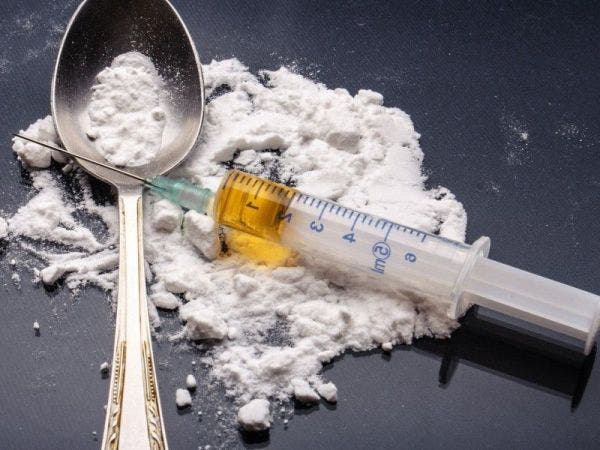
A deadly drug that can kill people in doses smaller than a snowflake is in New Jersey, and it's connected to at least one overdose locally and two recent deaths in Pennsylvania, according to law enforcement officials.
Authorities from New Jersey and the U.S. Drug Enforcement Administration have issued a warning about carfentanil, a synthetic opioid that is intended to sedate large animals such as elephants and is much more potent and deadly than heroin morphine and fentanyl.
Carfentanil apparently caused an overdose in Lakewood on Oct. 31, but the victim was revived by Narcan, according to Al Della Fave, a spokesman for the Ocean County Prosecutor's Office. Officials are also worried that first responders could also be in danger when they come in contact with the drug.
Find out what's happening in Point Pleasantfor free with the latest updates from Patch.
"It's really unbelievable," Della Fave said.
A lethal dosage is often compared to the size of a snowflake. Indeed, The New York Times recently published a story with the headline: "Drug Linked to Ohio Overdoses Can Kill in Doses Smaller than a Snowflake."
Find out what's happening in Point Pleasantfor free with the latest updates from Patch.
The DEA has already issued a nationwide warning about carfentanil, and Pennsylvania officials issued an urgent statewide warning this week after the lethal drug took the lives of two people.
Carfentanil is 10,000 times more potent than morphine and 100 times more potent than fentanyl, which itself is 50 times more potent than heroin, according to a DEA press release.
“Carfentanil is surfacing in more and more communities.” DEA Acting Administrator Chuck Rosenberg said in the release. “We see it on the streets, often disguised as heroin. It is crazy dangerous. Synthetics such as fentanyl and carfentanil can kill you. I hope our first responders – and the public – will read and heed our health and safety warning. These men and women have remarkably difficult jobs and we need them to be well and healthy.”
Della Fave said the opioid crisis has become so severe in New Jersey that "we have running statewide alerts 365 days a year," and carfentanil easily falls into that group. He said the number of opioid-related deaths in Ocean County nearly doubled in 2016, jumping to 197 from 118 in 2015.
Gov. Chris Christie this past week signed Executive Order 219 declaring the opioid epidemic a public health crisis in New Jersey. The action requires the marshaling of all appropriate resources to combat its harmful effects on state citizens.
“We must take aggressive action to get this insidious crisis under control so I am calling together all resources of state government in order to save lives,” said Christie. “The human cost of this epidemic is incalculable, impacting every part of life in New Jersey, affecting our education system, our health care system, public safety and the financial security of every person it touches.”
Carfentanil can be absorbed through the skin or accidental inhalation of airborne powder. The DEA noted that the drug can endanger first responders, much like what happened when two Atlantic County detectives were recently exposed to a very small amount of fentanyl.
“I thought that was it. I thought I was dying. It felt like my body was shutting down,” one detective said. The video can be accessed at: http://go.usa.gov/chBgh.
If carfentanil or fentanyl are encountered, responding personnel have been warned by the DEA to do the following, based on the specific situation:
- Exercise extreme caution. Only properly trained and outfitted law enforcement professionals should handle any substance suspected to contain fentanyl or a fentanyl-related compound. If encountered, contact the appropriate officials within your agency.
- Be aware of any sign of exposure. Symptoms include: respiratory depression or arrest, drowsiness, disorientation, sedation, pinpoint pupils, and clammy skin. The onset of these symptoms usually occurs within minutes of exposure.
- Seek IMMEDIATE medical attention. Carfentanil and other fentanyl-related substances can work very quickly, so in cases of suspected exposure, it is important to call EMS immediately. If inhaled, move the victim to fresh air. If ingested and the victim is conscious, wash out the victim’s eyes and mouth with cool water.
- Be ready to administer naloxone [NARCAN] in the event of exposure. Naloxone is an antidote for opioid overdose. Immediately administering naloxone can reverse an overdose of carfentanil, fentanyl, or other opioids, although multiple doses of naloxone may be required. Continue to administer a dose of naloxone every 2-3 minutes until the individual is breathing on his/her own for at least 15 minutes or until EMS arrives.
- Remember that carfentanil can resemble powdered cocaine or heroin. If you suspect the presence of carfentanil or any synthetic opioid, do not take samples or otherwise disturb the substance, as this could lead to accidental exposure. Rather, secure the substance and follow approved transportation procedures.
Patch file photo
Get more local news delivered straight to your inbox. Sign up for free Patch newsletters and alerts.