Health & Fitness
Stink Bugs Crawling Into NJ Homes Right Now: What To Do
Here's how bad it is in NJ when brown marmorated stink bugs crawl into your house to hole up for the winter. Here's what else you can do.


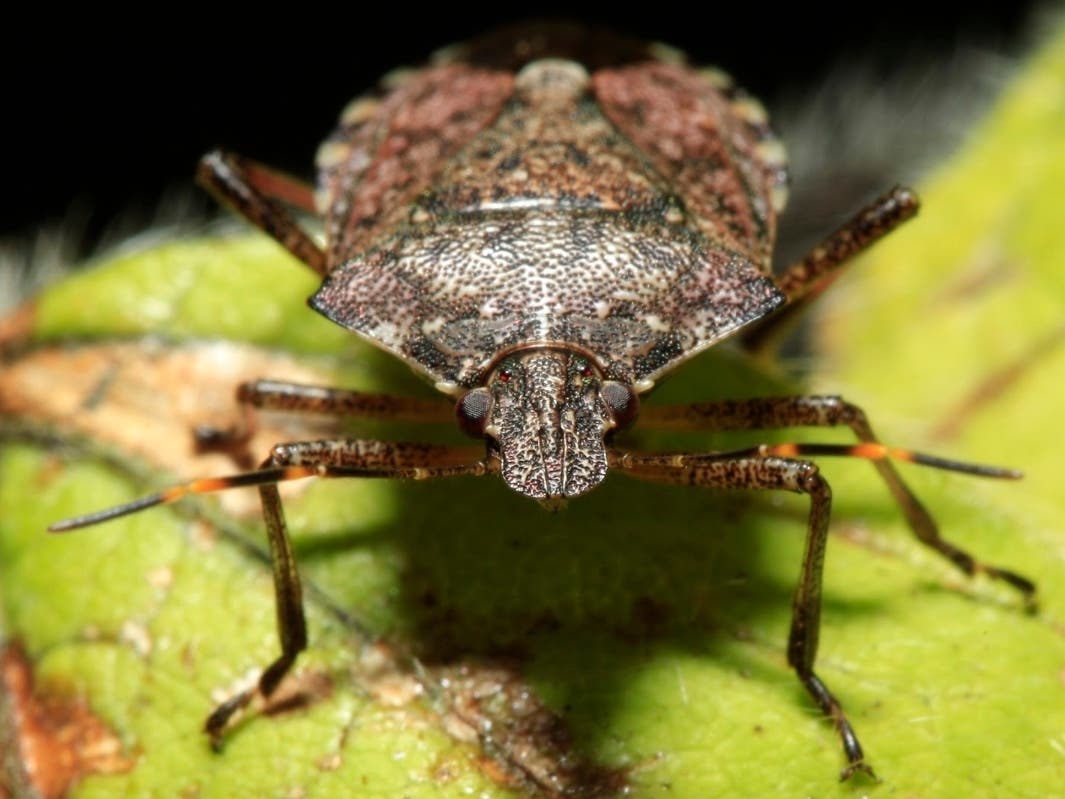
NEW JERSEY – Stink bugs, an odoriferous brigade of smelly brown bugs, are crawling into houses all over New Jersey right now, just itching to set up a winter camp in your warm, cozy home in a dormant phase known as diapause.
But how bad is it in New Jersey compared to elsewhere?
Very bad, according to reports.
Find out what's happening in Point Pleasantfor free with the latest updates from Patch.
Stink bugs have been found in 44 states in the 20 years since the insect, indigenous to East Asia, was first detected in the United States, according to a USDA-funded "Stop the Brown Marmorated Stink Bug" strike force that includes more than 50 researchers working at 18 land-grant universities across the country.
In New Jersey, Stop the Brown Marmorated Stink Bug’s surveillance shows severe agricultural and nuisance problems, among other problems.
Find out what's happening in Point Pleasantfor free with the latest updates from Patch.
Those problems include: severe economic damage to susceptible commodities in the absence of control measures as well as widespread infestations of homes and businesses in the fall/winter.
Stink bugs won’t hurt you. Despite having piercing, sucking mouthparts — tiny shields about a half-inch long and wide, which they curiously tuck between their legs when they’re not piercing and sucking the juice from plants — they can’t bite you. They can’t sting you, and they won’t reproduce.
But pee-yew, do stink bugs smell bad if you smash them. Hence, their name. So don’t do that. And they can be pretty destructive in other ways.
Stink bugs also like to feast on your vegetable gardens, farmers’ soybean crops, and black locust, maple, ash, and catalpa trees. They like cherries and raspberries, too.
Scientists have waged all-out war against stink bugs, with good reason. What they can do with those piercing, sucking mouthparts to an apple, peach or pear orchard isn’t pretty and can wipe out a grower’s entire crop.
That doesn’t mean you have to live with the disgusting little bugs. We have some tips on what to do if stink bugs have holed up in your house.
One important thing to know about stink bugs as they move in for the winter: They’re more than just a bad smell.
Your best defense against stink bugs is to arm yourself weather-stripping, caulking and tape and make your home a fortress. Seal up gaps and crevices around foundations and any area where doors, windows, chimneys and utility pipes are cut into the exterior. Any opening large enough for a stink bug to crawl through should be sealed.
The best thing to do if you find them inside is gently sweep them into a bucket, then fill it with a couple of inches of soapy water. You could vacuum them up, but do this perhaps as a last resort because it will trigger stink bugs’ notorious odor and make your vacuum cleaner smell bad.
Companies like Rest Easy Pest Control recommend a special stink bug vacuum, a cheap, handheld model used only for that chore. The bag should be tossed in a thick, disposable trash bag and taken far from the house.
Poison can quickly kill the stink bugs, but that will also trigger their stench. Professional extermination is another option.
Or, if you can bear the thought of living communally with them inside your home, you could just leave them alone and hope no one frightens them and stirs up a stinky ruckus. They don’t nest or lay eggs. They don’t don’t feed on anything or anyone in your house. They’re just there taking a load off for a few months, resting up.
Come spring, they’ll crawl right back outside in time to take a bite out of your garden, and the war on stink bugs to begin anew.
Read more about "Stop the Brown Marmorated Stink Bug."
Written by Beth Dalbey and Kara Seymour of Patch’s national staff.
Get more local news delivered straight to your inbox. Sign up for free Patch newsletters and alerts.