Crime & Safety
No Flock Cameras In Princeton, Police Chief Confirms
The department does use license plate reader technology, but with safeguards, Solovay said.


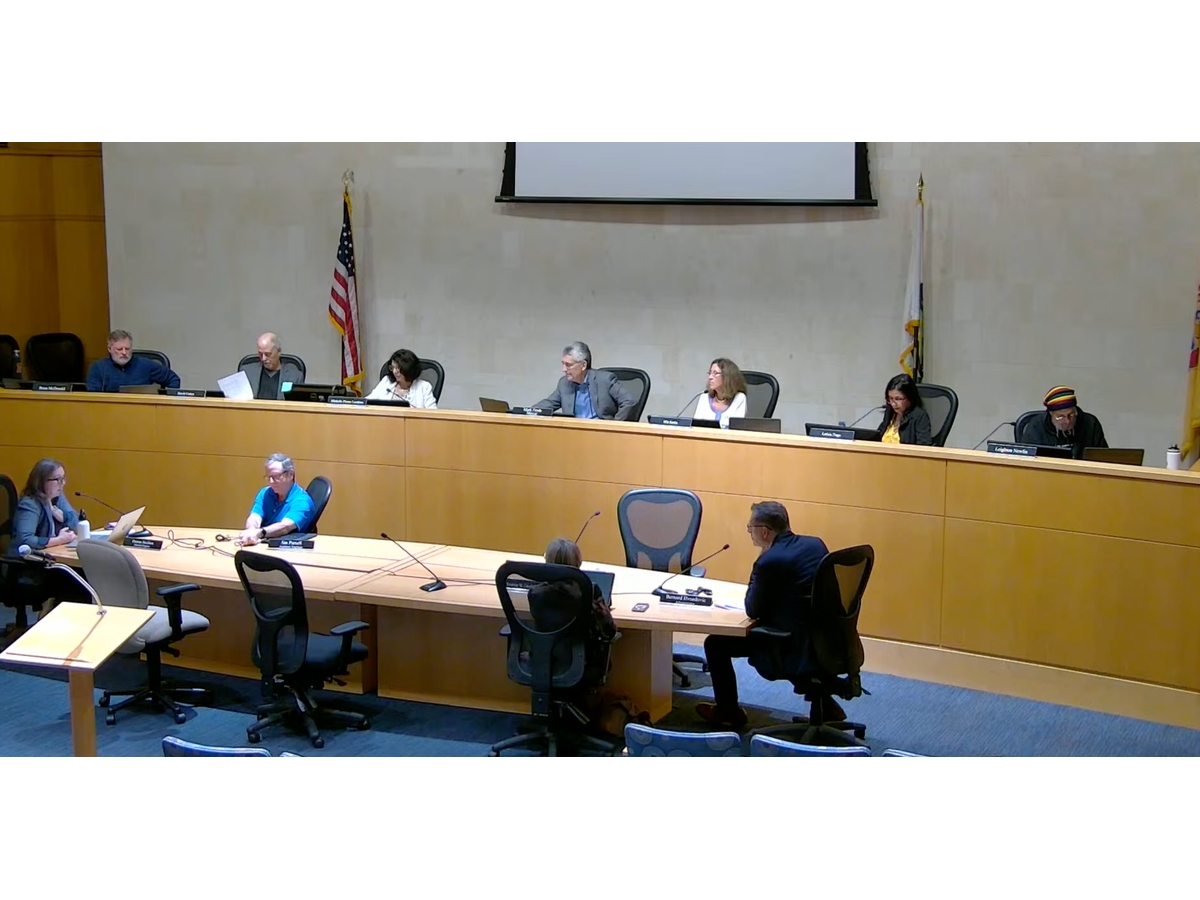
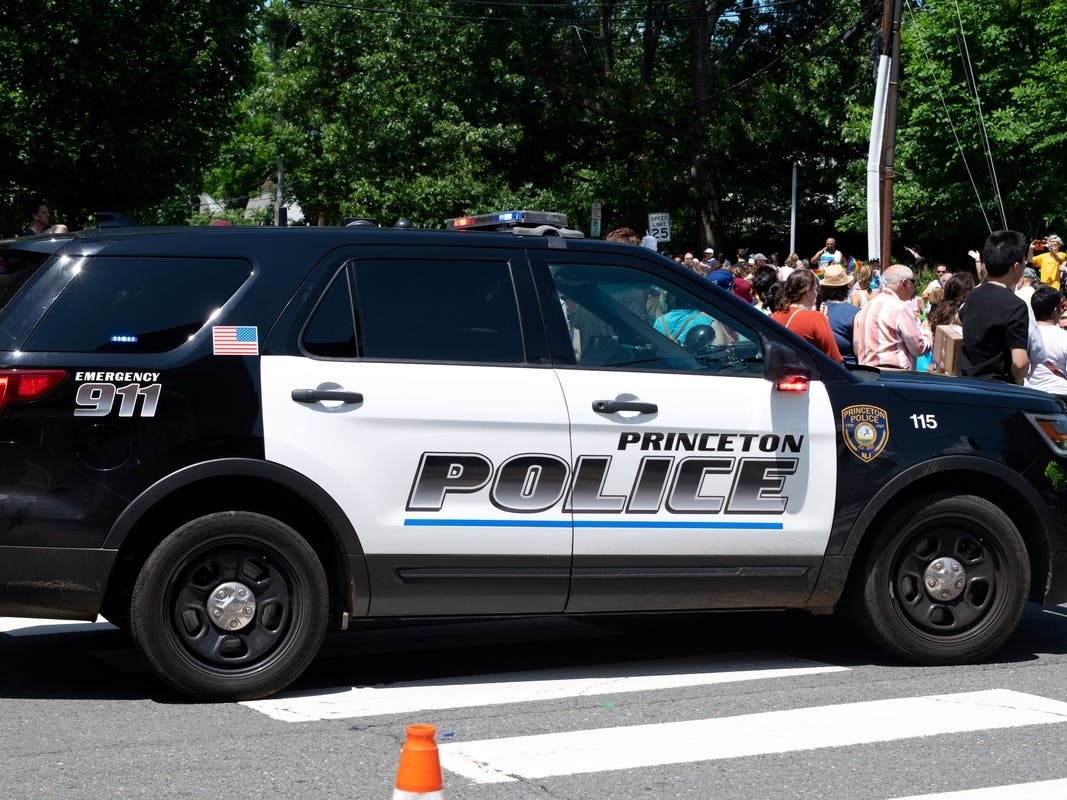
PRINCETON, NJ — Princeton Police Chief Matthew Solovay addressed ongoing community concerns about automated license plate reader (ALPR) technology during a recent council meeting, saying the department does not use Flock Safety cameras but does utilize other ALPR tools.
"The Princeton Police Department does not utilize flock cameras or flock safety technology," Solovay said. "We do, however, have and continue to utilize ALPR technology as an investigative and public safety tool."
Solovay said the technology assists officers in investigating serious crimes, missing persons, missing children and other critical incidents. He said the department's ALPR program operates in accordance with New Jersey Attorney General directives and under the oversight of the Mercer County Prosecutor's Office and the New Jersey State Police.
Find out what's happening in Princetonfor free with the latest updates from Patch.
"Access to [ALPR] information is restricted to authorized personnel with legitimate law enforcement purposes," Solovay said. "Personnel are required to receive training. System usage is subject to auditing and accountability measures."
Flock Safety operates more than 120,000 AI-powered cameras nationwide, capturing vehicle information from public spaces including license plates and other identifying details. Supporters view the technology as a tool that can help investigators identify vehicles connected to crimes, while critics have raised concerns about how the systems collect, retain and share information about people's movements.
Find out what's happening in Princetonfor free with the latest updates from Patch.
Solovay said the department does not share ALPR data with federal agencies for civil immigration enforcement.
"We recognize the legitimate privacy concerns that can accompany any law enforcement technology," Solovay said. "Our responsibility is to balance the public safety benefits of these tools with appropriate safeguards, transparency and accountability, and that is the approach that we take with ALPR here in Princeton."
Councilwoman Leticia Fraga said the council received a briefing on the technology at its last public safety meeting in response to resident questions about Flock cameras and ALPR use.
"Based on the reports that we received and the information provided, I have the utmost confidence that our department is not only following established policy, but they have appropriate oversight and accountability measures in place," Fraga said, adding that she supports the technology's use because of its investigative and public safety benefits to the community.
The cameras have also drawn backlash elsewhere in the state — in Brick Township, someone cut through the metal pole supporting a Flock reader in July, and a Milford man was charged after telling police he damaged several cameras because he believed they were unconstitutional.
A public database launched this month, called Have I Been Flocked, lets New Jersey drivers check whether their license plates have been searched through Flock Safety systems, using audit logs obtained from public-records requests.
The database's organizers say the records are incomplete, as few governments provide easy access to the logs. In New Jersey, the volunteer-maintained DeFlock project has mapped 1,539 reported license-plate-reader cameras statewide as of August 2026.
Have a correction or news tip? Email sarah.salvadore@patch.com
Get more local news delivered straight to your inbox. Sign up for free Patch newsletters and alerts.