Politics & Government
Princeton Defends Decision To Ban Ice Skating On Lake Carnegie Amid Safety Concerns
Safety concerns clash with decades-old tradition as residents push for compromise on winter recreation.


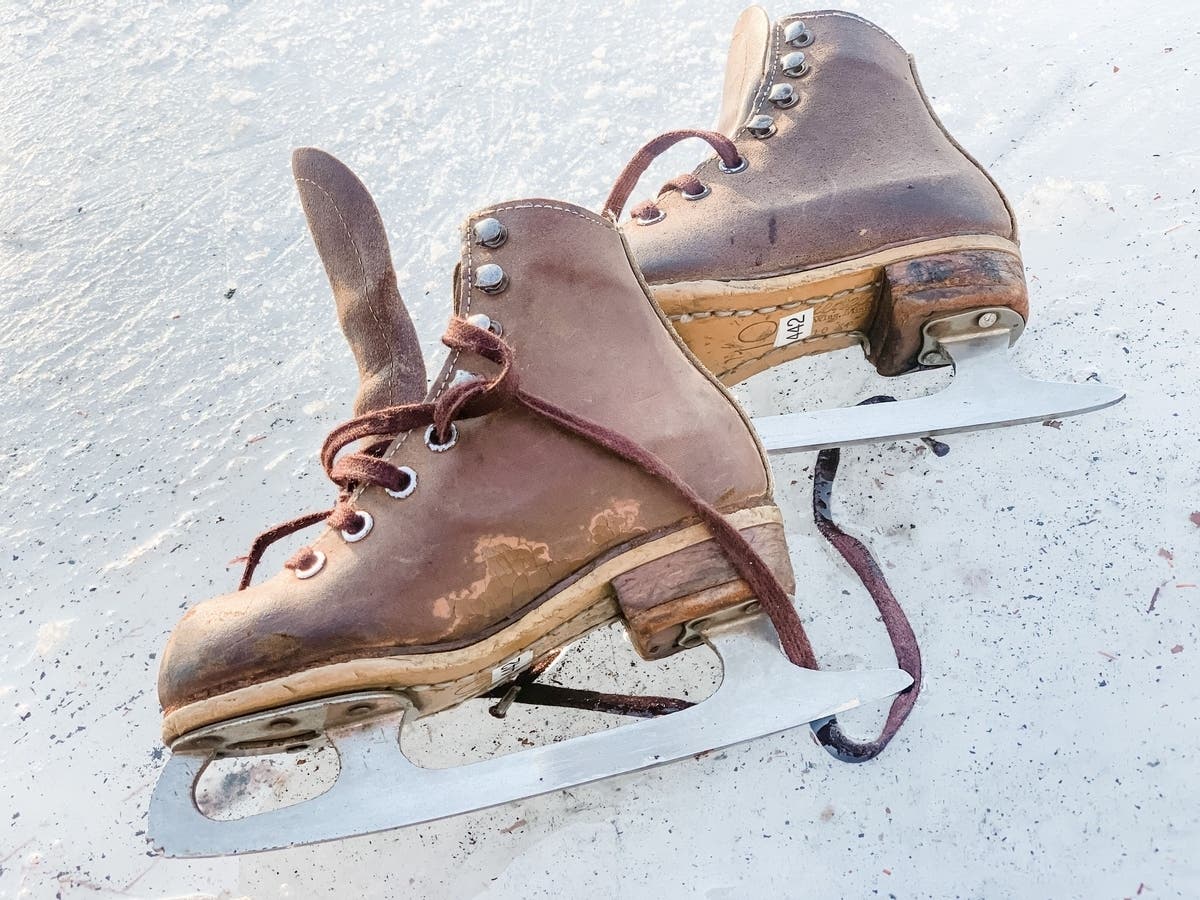
PRINCETON, NJ – A decades-old winter tradition became the center of debate on Monday night, as Princeton officials defended their decision to prohibit ice skating on Lake Carnegie, citing safety concerns.
The issue came to light after residents expressed disappointment over the ban, which was implemented last winter without formal council approval or public input.
According to municipal officials, ice skating was discontinued on Lake Carnegie due to multiple safety considerations. These include concerns for employees who test ice thickness, the inability of emergency services to reach skaters in a timely manner across the lake's expansive Harrison Street to Washington Street area, and limited parking options following the closure of University parking lot 21 and the boathouse lot.
Find out what's happening in Princetonfor free with the latest updates from Patch.
Municipal Administrator Bernie Hvozdovic, Jr., noted that in the past 30 years, the lake has only been documented as safe for skating twice – in 2014 and 1996. A serious leg injury sustained by a skater in 1996 resulted in litigation against the municipality.
“And for now, in the foreseeable future, Lake Carnegie is not an option for skating,” he said.
Find out what's happening in Princetonfor free with the latest updates from Patch.
Councilwoman Mia Sacks said the decision, made in consultation with Princeton University, the municipality's Emergency Services Department, and Princeton First Aid and Rescue, was based on professional assessments that first responders could not guarantee reaching endangered skaters in time.
Mayor Mark Freda noted that the decision was made last year and was not “hidden” from council members or the public.
“I think last year there was hardly any opportunity to ice skate...This year is obviously a different story anyway,” he said. “I just want to be sure that people knew it wasn't a decision made on a whim or on a moment's notice without talking to people.”
Council President Michelle Pirone Lambros spoke about the additional hazards including a bubbler near the rowing center that warms the water and creates unsafe ice conditions, as well as dangerous conditions under bridges.
“We have to take these things into consideration, and our temperatures are warmer now,” she said. “We talked about if we could just cordon off a section and have just a few hours where we allowed people to skate. But I think it's a significant risk of somebody going past the cordons under the bridge where it's warmer, and then we endanger not only the residents, but the the first responders that would have to go after them.”
However, the ban has sparked pushback from long-time residents who view lake skating as an irreplaceable community tradition. Resident Chris Sturm told the council that skating on the lake represents "good, old fashioned, fun, healthy, free" community building that cannot be replicated at smaller venues like Smoyer Park pond.
"I was on the lake today looking around, and there were people skating," Sturm said. "So skating is happening whether it's allowed or not."
Both Sturm and fellow resident Anna Donbroski, who has lived in Princeton since 1986, urged the council to work toward a compromise that would allow controlled skating opportunities. They suggested solutions including weekend-only access, limited hours, stationed staff, and use of the municipal parking garage and Butler tract for parking.
One council member expressed openness to exploring alternatives, suggesting that if the ice were sufficiently frozen, the municipality could potentially designate a constrained skating area with emergency services stationed nearby. However, others raised concerns about the event becoming a social media-driven attraction that could draw large crowds from outside the area, creating additional traffic and safety challenges.
"The practice, the reality with social media is, it'll be a pop-up event that will attract people from pretty good distances," Hvozdovic said.
Council member Leighton Newlin defended the prohibition, arguing that protecting first responders from unnecessary risk outweighs recreational interests, particularly given recent incidents of rescue workers endangered while saving individuals who made unsafe decisions.
Currently, Smoyer Park pond remains the only location in Princeton where ice skating is permitted, weather permitting. CP North pond is closed due to jagged, uneven ice conditions caused by recent snowfall. Lake Carnegie, owned by Princeton University as private property, is being monitored by university public safety officers who will ask skaters to leave the ice.
While this winter's skating season may be over, council members indicated willingness to work with residents and professionals to develop a potential framework for future skating opportunities on the lake when conditions allow.
Have a correction or news tip? Email sarah.salvadore@patch.com
Get more local news delivered straight to your inbox. Sign up for free Patch newsletters and alerts.