Schools
Princeton To Explore Relationship Between University, Clubs
The task force will examine the findings of a 2010 report, and consider the university's proposed framework.


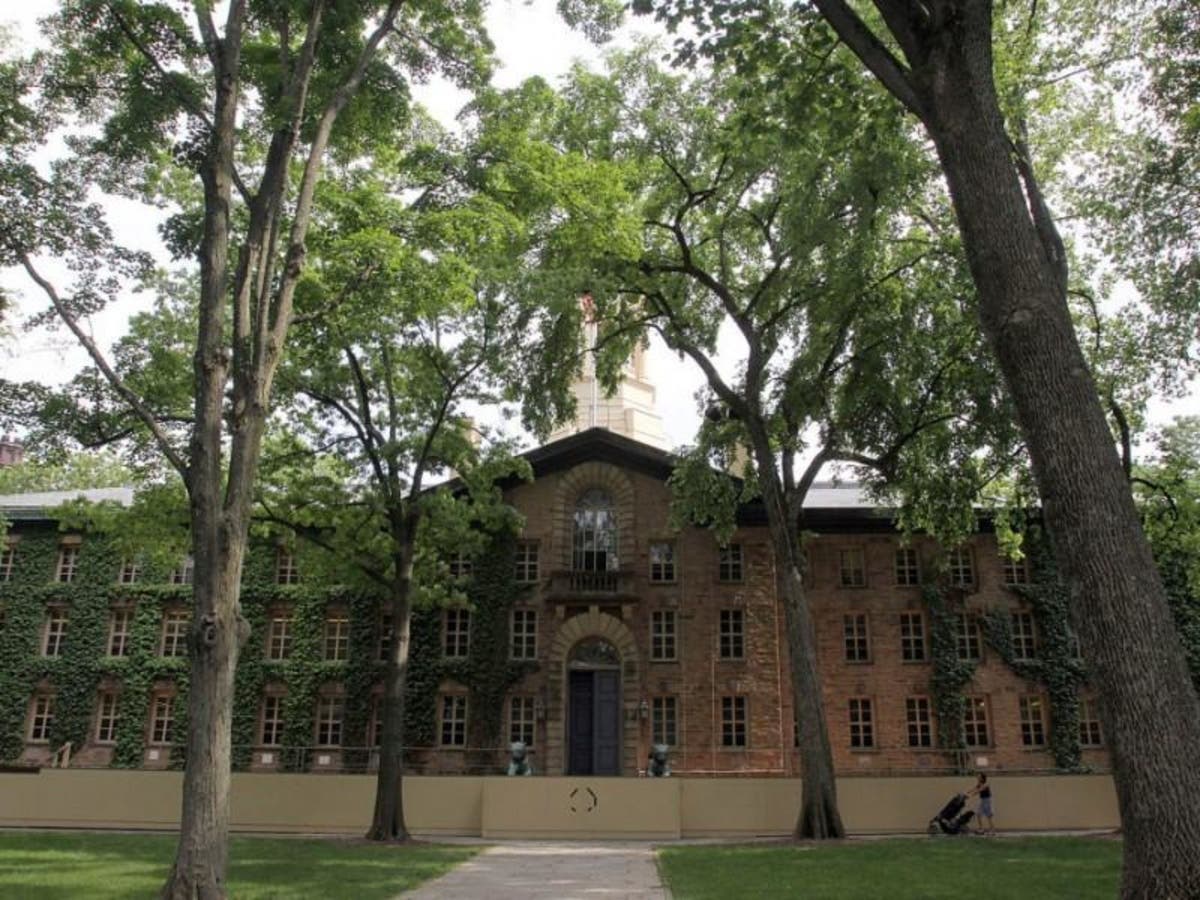
PRINCETON, NJ — Shortly after releasing a guideline for the development of the campus over the next 10 years, Princeton University announced it was appointing a task force to explore the interaction between the university and the 11 eating clubs.
The strategic framework considers the potential needs for the university over the next 30 years. Part of the framework includes expanding the student body and improving residential life. Vice President for Campus Life W. Rochelle Calhoun said that with this framework in mind, now is an opportune time to re-examine the relationship between the university and the clubs, according to the announcement posted online.
Princeton staff, students and alumni have been appointed to the task force, which began meeting in November, according to the university. Calhoun is the Chair for the Task Force on the Relationships between the University and the Eating Clubs, and their recommendations will be submitted in the spring.
Find out what's happening in Princetonfor free with the latest updates from Patch.
It will build on progress made since a report submitted by a task force of the same name in 2010. That task force was assembled to explore what steps can be taken to strengthen the relationship between the university and the clubs, with an eye toward the benefit of students and the undergraduate experience.
Since that report, which can be read here, the student body’s demographics have changed significantly. For example, 22 percent of the Class of 2021 is eligible for Pell grants for low-income student. Comparatively, 7 percent of the Class of 2008 were eligible for Pell grants, according to the university.
Find out what's happening in Princetonfor free with the latest updates from Patch.
- Determine if specific recommendations need further attention and/or different responses;
- Consider additional steps to ensure that the clubs are inclusive, that they contribute in positive ways to the undergraduate student experience, and that their memberships reflect the increasingly diverse student body; and
- Determine how the eating clubs might help to achieve the University’s long-term goals for the undergraduate experience, especially as they relate to dining, co-curricular activities and creating community.
The eating clubs include:
- Cannon Dial Elm Club;
- Cap and Gown Club;
- Charter Club;
- Cloister Inn;
- Colonial Club;
- Cottage Club;
- Ivy Club;
- Quadrangle Club;
- Terrace Club;
- Tiger Inn; and
- Tower Club.
For more on the clubs, visit princetoneatingclubs.org.
Get more local news delivered straight to your inbox. Sign up for free Patch newsletters and alerts.