Politics & Government
Princeton Introduces $84.8M Budget With Tax Hike. What's Behind The Increase?
Health insurance costs, Westminster Choir College expenses, and a shift to a paid fire department are driving Princeton's proposed budget.


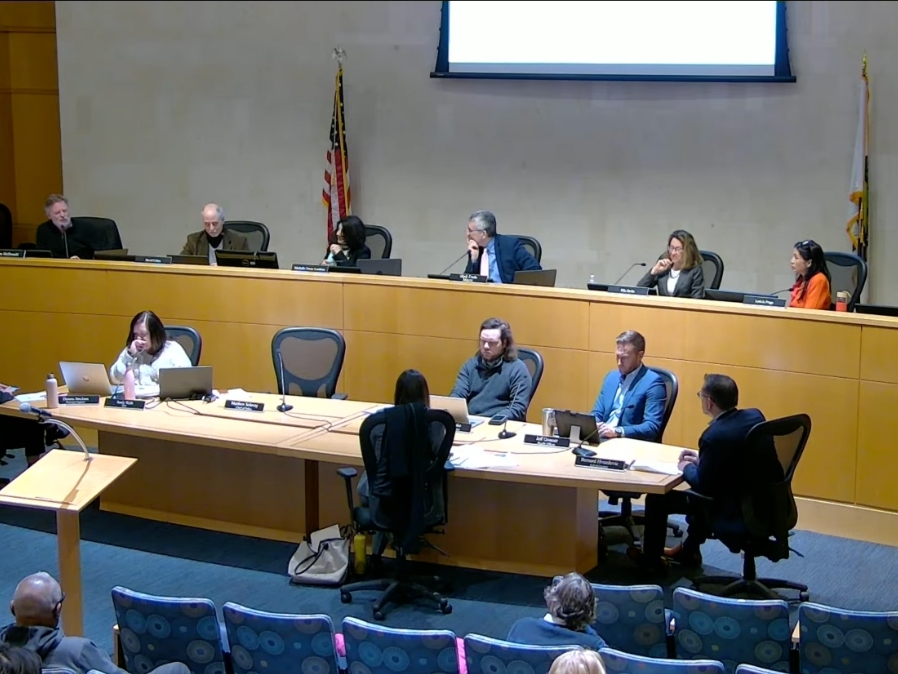
PRINCETON, NJ — Princeton officials introduced an $84.8 million municipal budget Monday that would raise the average property tax bill by about $159, driven largely by a 36% spike in employee health insurance costs and ongoing expenses tied to the borough's acquisition of the Westminster Choir College campus.
The proposed 2026 budget totals $84,834,337 — an increase of $5.44 million, or 6.85%, over the current year. Finance Committee Chairman Brian McDonald called it "perhaps the most challenging budget since consolidation."
For the average Princeton homeowner — with a property assessed at $866,204 — the combined municipal and library tax bill would rise by $158.77, from $4,998 to $5,156.77. That represents a 3.18% increase in the municipal and library tax rate, according to budget documents presented at the March 23 council meeting.
Find out what's happening in Princetonfor free with the latest updates from Patch.
The municipal tax rate alone would rise 2.87%.
Council member Mia Sacks noted the final levy is actually lower than last year's percentage increase. "I'm so pleased that in these difficult times we do not have to come in with a significant tax increase that was initially anticipated," she said. Officials said early projections had pointed to an increase closer to 5 cents on the tax rate before weekend budget sessions brought the number down.
Find out what's happening in Princetonfor free with the latest updates from Patch.
What's Driving Costs?
The single largest pressure on the budget is health insurance, which jumped 36 percent — adding roughly $1.8 million to the insurance line. Total insurance costs are up $2.34 million across the board.
Other major expenditure increases include $1.85 million in debt service on the Westminster Choir College property, $306,000 more to the Stony Brook Regional Sewerage Authority, $349,000 for a new shared services agreement with the school district, and $550,000 in higher utility costs — of which $235,000 is attributable to Westminster.
"I recognize it at home, I'm sure all of you do as well, that your utility bills are going up," said Finance Director Sandy Webb, who is presenting her 26th budget.
Legal fees are also up $235,000, reflecting what officials described as an active litigation docket.
Nearly 44 percent of the total budget — $37.43 million — falls under non-discretionary spending that the township has limited control over, including $14.47 million in debt service, $8.37 million in group insurance, $5.87 million in pensions and Social Security, and $5.48 million to the Stony Brook sewerage authority.
New Positions, Fire Department Transition
Salary and wages are up $1.15 million, covering cost-of-living increases under three settled union contracts, the overlap of an outgoing zoning officer position, two new sewer maintenance workers and three additional firefighters.
The new fire hires reflect Princeton's ongoing and costly transition from an all-volunteer fire department to a primarily paid professional force. McDonald noted that the mayor is one of only four remaining volunteers — down from more than 40 when he joined 51 years ago.
"We believe we are the last of the 14 municipalities in Mercer County making this move," McDonald said.
Revenue Offsets
Officials pointed to several revenue gains that helped cushion the tax impact, including $1 million in additional surplus funds, $1.3 million from new PILOT agreements, $825,000 from sewer rate increases, $300,000 in additional parking utility revenue and $216,320 from Princeton University.
The township's current fund surplus grew from just over $25 million at the end of 2024 to just under $30 million, giving officials additional flexibility.
Monday's introduction is not the final word. Mayor Mark Freda said that adjustments are still possible before the budget comes up for a formal vote.
"The final budget will be discussed and voted on April 27," Freda said, "so there's still time for things to happen."
Have a correction or news tip? Email sarah.salvadore@patch.com
Get more local news delivered straight to your inbox. Sign up for free Patch newsletters and alerts.