Politics & Government
Princeton Moves Ahead With Electric Shuttles Despite Capacity, Charging Concerns
Staff recommended waiting, citing charging, repairs and timing. The council voted 5-1 to move ahead.


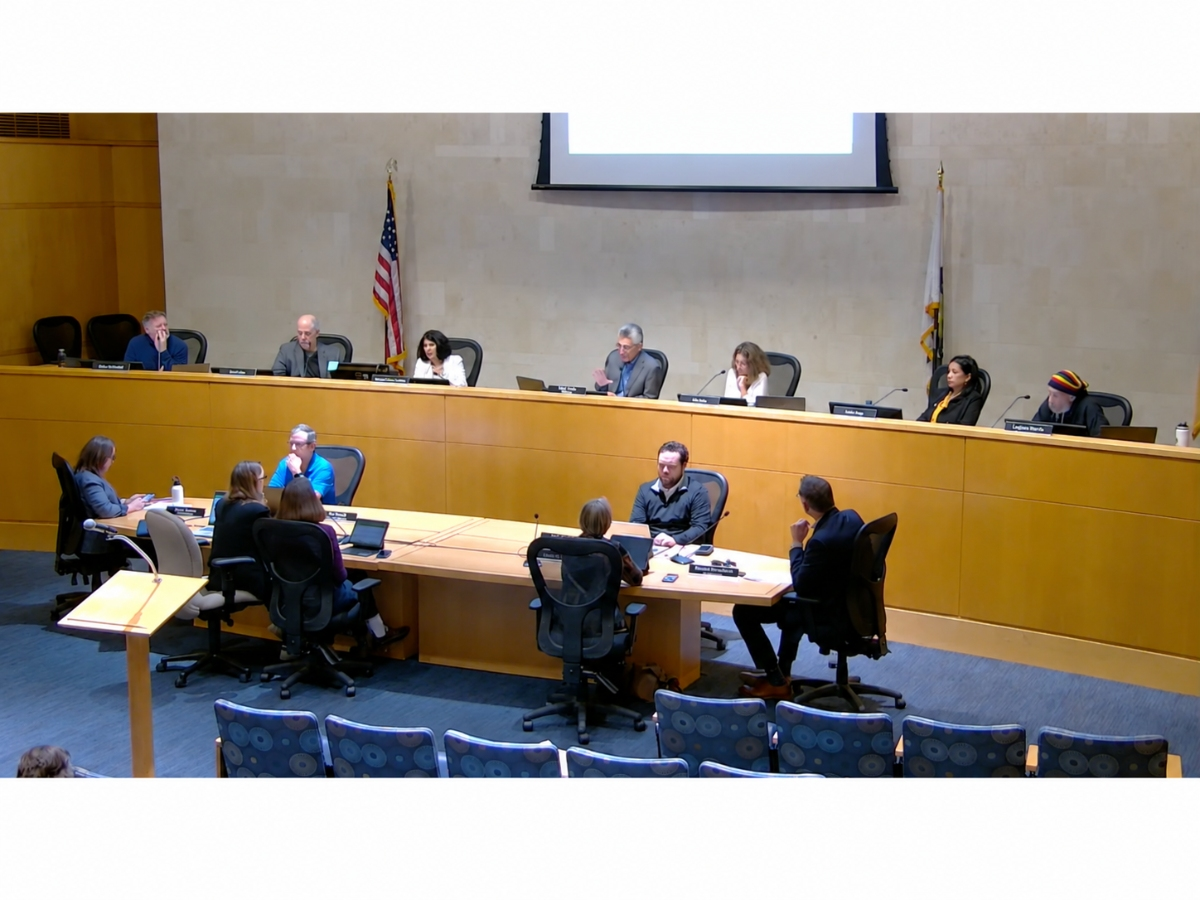
PRINCETON, NJ — Princeton will move forward with buying two electric shuttles for its Loop bus service after the council voted 5-1 to use a state grant for the purchase, even though municipal staff recommended passing on it for now.
Councilmember Leighton Newlin cast the lone vote against, citing the smaller shuttles’ reduced seating.
The town was offered the grant, about $434,000 from the state Department of Environmental Protection, in 2023. It’s funded through the Regional Greenhouse Gas Initiative. The council had to decide by the end of October whether to use it, because the DEP no longer wants to wait, according to a presentation by Sustainable Princeton.
Find out what's happening in Princetonfor free with the latest updates from Patch.
The town first tried to get electric shuttles in 2018, said Christine Symington of Sustainable Princeton, which helped apply for the grant.
“We have been working on this together with the municipality since 2018 to get funding sources to help the town electrify its shuttle fleet,” Symington said.
Find out what's happening in Princetonfor free with the latest updates from Patch.
In 2023, the council approved buying two shuttles from Phoenix Motorcars, but the company never followed through on the order. The town has since found two Micro Bird shuttles available through Hoover, a local vendor.
The two shuttles cost just over $700,000 combined. The grant would cover about $400,000, leaving the town to pay roughly $300,000, about what two gas buses would cost, Jenny Ludmer from Sustainable Princeton said.
The town would have to pay the full amount up front and wait to be reimbursed. That could take one to three years, she said.
“If we were to say let’s do this, and we had to front 700 some thousand dollars, where’s that money coming from?” Mayor Mark Freda asked, noting the money had not been budgeted.
Over four years, the electric shuttles would save about $130,000 in fuel and maintenance compared with gas buses, according to the analysis. Owning the shuttles would also save about $50,000 per bus each year in fees the town now pays WeDriveU, which owns and operates the current buses. The town pays WeDriveU about $670,000 a year for the Loop service.
The switch would cut emissions by about 93.6 metric tons of carbon dioxide equivalent, according to Sustainable Princeton.
The shuttles would be available around June 2027.
Seats & Service
The Loop’s current gas buses seat 19 passengers plus one wheelchair. The new shuttles would hold seven to nine fewer passengers, though both have room for two wheelchairs.
That was Newlin’s main concern.
“We’re losing 40 percent capacity on every single one of these buses at a time when we’re trying to increase ridership,” Newlin said.
He said the local route in particular can fill up during the day.
“I know the people, the most vulnerable people here in Princeton, use the local, and I don’t like this equity position we’re putting them in,” Newlin said. “I can’t vote for this.”
Other council members said current ridership doesn’t come close to filling the buses, especially on the Loop Express. Councilman David Cohen said peak ridership on the Express has been about four passengers. Council President Michelle Pirone Lambros said Express ridership has grown by about 10 percent a month since the bus was wrapped, with more promotion planned this fall.
If ridership outgrows the shuttles, the town could seek another grant for more vehicles, some members said.
“This is a bird in the hand,” Cohen said. “This is two birds in the hand.”
Charging & Repairs
Both routes would need 30 minutes to an hour of daytime charging, which means the schedule would have to change, Ludmer said. Where the shuttles would charge is still unknown.
The town doesn’t own any Level 3 fast chargers, which would be needed for daytime charging. One is planned for the Department of Public Works facility. Council members also floated working out a shared service agreement with the school district, which has fast chargers. The cost of installing charging equipment was not included in the analysis.
The shuttles’ warranties are capped at 100,000 miles. The Loop Express runs about 30,000 miles a year and the local about 45,000, so the warranties would run out in about two to three and a half years. Replacing a battery after that would cost $56,000 to $71,000, depending on the model.
Warranty repairs would have to be done at a Hoover site in Flanders, about an hour away. That service is moving to Toms River, about an hour and a half away, Ludmer said.
Princeton Public Schools, which runs two electric school buses from the same manufacturer, has had problems with the buses shutting down in heavy rain and has made several service trips to Flanders over the past year, Ludmer said.
Staff Recommended Waiting
Deputy Administrator and Municipal Engineer Deanna Stockton recommended letting the grant go and reapplying later, since the state plans to keep funding the program for at least the next few years.
“There’s a lot to consider based on what we heard tonight, the different needs within the community, the demands for service,” Stockton said.
Assistant Municipal Engineer Jim Purcell agreed, noting the town is now seeking a new transit vendor. WeDriveU’s contract ends in December.
“It’s a very awkward moment now, being out on the street for a bid to replace the service,” Purcell said.
Councilmember Mia Sacks said it would be a letdown to give up the grant after years of waiting.
“I could get excited about pulling the trigger,” Sacks said. “I could also understand if we didn’t.”
Have a correction or news tip? Email sarah.salvadore@patch.com
Get more local news delivered straight to your inbox. Sign up for free Patch newsletters and alerts.