Neighbor News
Princeton Public Library Cited by National Think Tank
Pandemic response earns praise in New America report calling for increased library funding for technology equity

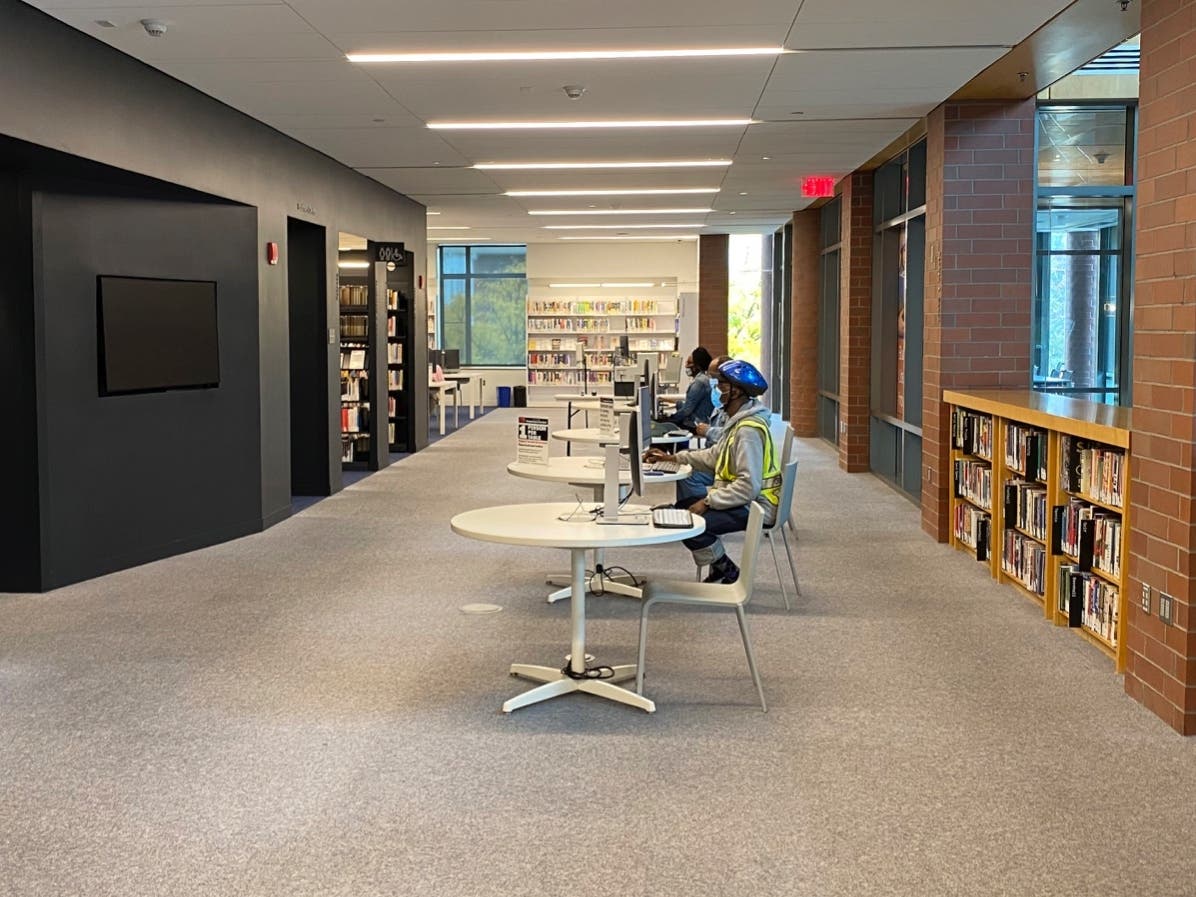

Princeton Public Library’s community collaborations and digital programming were highlighted as best practices in a national think tank report that called for greater investment in public libraries to close digital divides in underserved communities.
The report, titled “Public Libraries and the Pandemic: Digital Shifts and Disparities to Overcome,” was released Feb. 25 by the Washington, D.C.-based think tank New America. The report used survey data and interviews with library and education leaders to examine the momentous shift toward use of online library resources during the pandemic. It found high levels of goodwill for public libraries in general and for library online resources.
“Our findings highlight the need for more inclusivity, more focus on providing internet access, and more awareness-raising initiatives with local organizations and schools,” the report said. “The stories in this report—of libraries developing mobile Wi-Fi options, creating digital navigator programs to support digital literacy, launching more online programs, and making use of outdoor spaces—show the possibilities of transformation and partnership.”
Princeton Public Library was cited for efforts early in the pandemic to make programming available online using platforms such as Zoom and Crowdcast and for a later shift away from passive “sit and get” programming to more participatory programs such as book and podcast discussion groups and coding classes.
Princeton Public Library Executive Director Jennifer Podolsky said while the library was pleased to be singled out for its programming efforts, sections of the report highlighting the disparities in access to high speed internet during the pandemic underscore the need for crucial library services in Princeton.
“The report showed that 15 percent of those surveyed lost access to high speed internet when library buildings closed at the onset of the pandemic and those who lost access were more likely to be a person of color using library digital resources for work or school,” Podolsky said. “We saw evidence of this when we were preparing to reopen the building — families standing as close as possible to to the side of building on Hinds Plaza trying to access our WiFi on their smartphones. And as we reopened on all three floors, many of the first people through the doors headed straight for the public computers.”
Podolsky said New America’s study reinforced what librarians have long known: access to a smartphone data plan is not enough for digitally disadvantaged people to have an adequate connection to the internet.
“For people filling out applications for jobs and assistance and those who need to download big files or print a receipt, a smartphone is just not going to cut it,” she said. “This is why we’ve prioritized closing this gap by expanding the reach of our free public WiFi to cover all of Hinds Plaza and instituting programs to lend mobile hotspots and Chromebooks. This report shows that our library is doing the right things to address this problem. Our ability to continue to do so is largely based on our funding sources.”
Increasing funding to support efforts by libraries and schools to bring high speed internet access and online resources to underserved households and communities was the top recommendation of the report, which also called for funding needs assessments and other research to determine how libraries are used by the marginalized.
“The report also challenges libraries to redouble our outreach efforts to connect people with the resources we provide.” Podolsky said. “I was out recently walking the neighborhoods delivering literature door-to-door so that people who are housebound by the pandemic or winter weather know about the ways we can help. We’ll be doing more of this in the near future. This report is a wakeup call for our entire community.”