Schools
Princeton School Students Participate in Plant Adoption Program
Second graders at Littlebrook School are participating in the program.


Princeton, NJ -- Students at an elementary school in Princeton are participating in a plant “adoption” program.
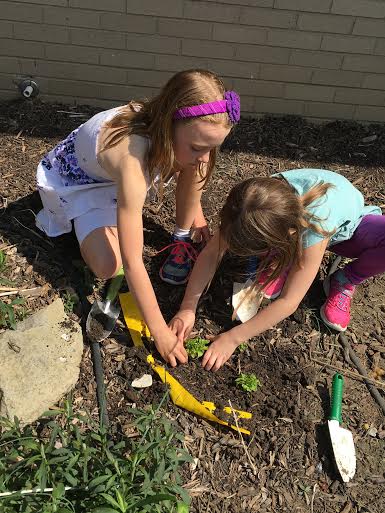
Second graders at Littlebrook School are planting pollinator species donated by Pinelands Nursery for use in school garden projects, the Princeton Public School District said on Friday.
The students will work in teams for the remainder of the year to monitor and tend to their plants, and will keep a photographic record of their progress.
Find out what's happening in Princetonfor free with the latest updates from Patch.
Littlebrook School Garden Educator Priscilla Hayes applied for the donation to Pinelands Nursery, a wholesale-only business that is committed to growing cultivars of plants that are native to New Jersey. Hayes is also Chair of the Mercer County Soil Conservation District.
“Native insect populations, particularly pollinators, have dwindled in recent years, in particular with the introduction of non-native species that are becoming predominant in so many landscapes, which leads to a lack food resources for pollinators,” the district said in a release. “The donated plants will be used to enhance pollinator habitat in the school's garden beds, in turn, allowing pollinator populations to successfully feed and reproduce, expanding their populations and allowing them to better serve our local community with their enormous ‘ecosystem services,’ particularly pollination.”
Find out what's happening in Princetonfor free with the latest updates from Patch.
The Littlebrook School Garden Program was founded 10 years ago, and has employed a part-time school garden educator for the last five years.
That educator has used the school gardens as a teaching venue with lessons and activities tailored to each grade-level curriculum. The educator works with teachers and with a PTO Garden Committee.
"From its earliest emphasis simply on teaching students about the needs of and life cycle of pollinators, the garden education program has grown to a greater focus not merely on observing, but on actively providing food, shelter, nesting areas, and other critical habitat elements for pollinators and the entire foodweb of which they are part," Hayes said.
The attached image was provided by the Princeton Public School District: Sierrra Tangen (left) and Zara Meehan-Ritter
Get more local news delivered straight to your inbox. Sign up for free Patch newsletters and alerts.