Schools
Princeton University Acquires 14th Century Coin Collection
The Princeton University Library Numismatic Collection has received by bequest the Benjamin R. Bell Collection of Ducats.



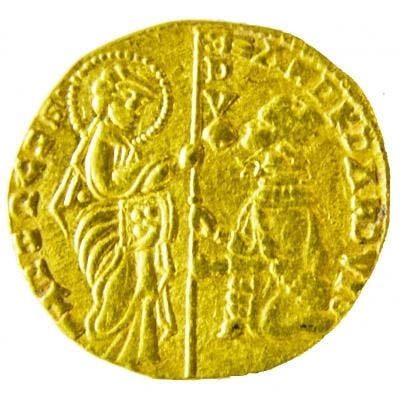
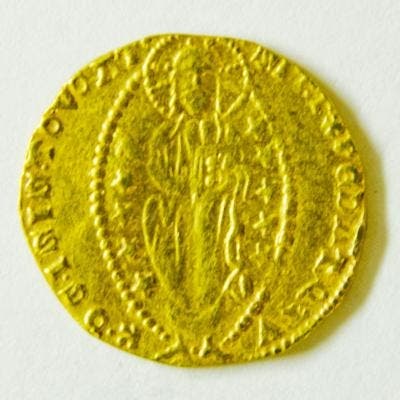
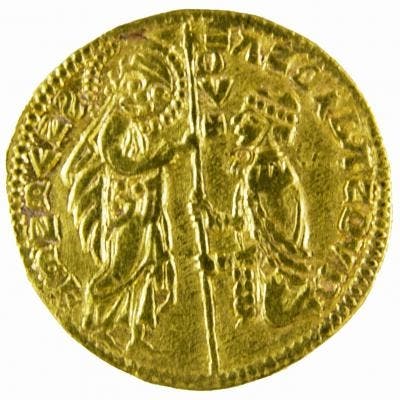
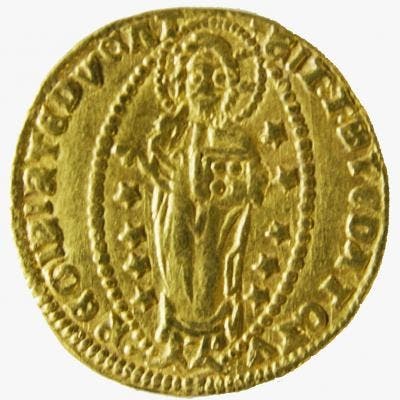
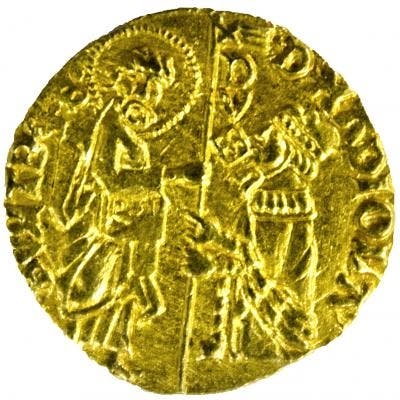
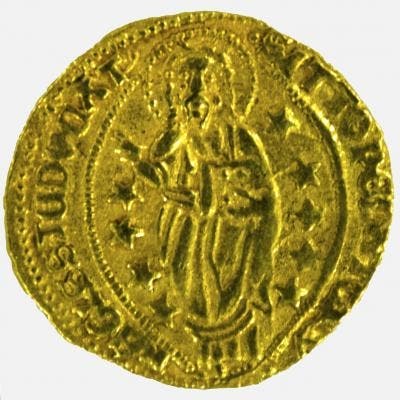
PRINCETON, NJ — The Princeton University Library Numismatic Collection has received by bequest the Benjamin R. Bell Collection of Ducats, the university announced this week. Bell, who worked as a coin dealer and died at a young age earlier this year, was a collector and scholar of the medieval ducats of Venice and their manifold imitations.
The collection consists of 190 coins that are particularly rich in the ducats attributed to Italian, Greek, and Turkish minters and later examples struck on the Indian sub-continent. It also includes many examples of significantly lower weight and fineness than Venetian ducats, which Bell argued to be minted to fit into the Byzantine monetary system.
Bell left his collection to Princeton because of the presence of a substantial number of coins of these types, which have already served as the basis of research by students and faculty. The Venetian ducat was the dominant coin of Mediterranean trade in the 14th Century. It eclipsed Islamic and Byzantine denominations in importance.
Find out what's happening in Princetonfor free with the latest updates from Patch.
Some Mediterranean mints featured the images of their rulers on some ducat issues copied after those of Venice, but others retained the name of Venetian doges, with only subtle changes in style and inscriptions that allow modern scholars to distinguish them from authentic issues.
It is through the careful comparison of the dies and punches used to produce surviving specimens that attributions can be made to the actual issuers. The research potential of the Bell collection is greatly enhanced by accompanying information on the provenance of individual pieces, as well as scientific analyses of their chemical content.
Find out what's happening in Princetonfor free with the latest updates from Patch.
In 2007, Princeton acquired a large collection of imitation ducats as part of the Latin Orient Collection with the support of the Stanley J. Seeger Hellenic Fund. That collection has already served as the basis of the research of Sarah Kampbell, who received her Ph.D. in History in 2013.
With the Bell Collection added to its existing holdings, Princeton now has by far the largest public collection of the series, which is increasingly understood to have played an important role in the commerce of the eastern Mediterranean and the Near East in the medieval and early modern periods.
The Princeton University Numismatic Collection is part of the Department of Rare Books and Special Collections, located in Firestone Library, and is available to the public for research by appointment.
The attached images of the coins were posted on the Princeton University website. The image of the university is a Patch file photo.
Get more local news delivered straight to your inbox. Sign up for free Patch newsletters and alerts.