Neighbor News
Summer Camp and Intentional Summer Learning Programs
Summer Camp and Intentional Summer Learning Programs: A Path to Healing COVID-Related Trauma in 2022


By Pam Gregory
As we prepare to enter year three of this global pandemic, it’s clear our children are not alright. The ongoing disruptions, isolation, and lack of routine have many young people experiencing mental health problems. Students from historically marginalized communities have been disproportionately impacted by this pandemic and continue to face unprecedented levels of trauma.
The American Academy of Pediatrics recently declared a national state of emergency in children’s mental health, citing “dramatic increases in emergency department visits for all mental health emergencies,” including a 24% increase among elementary school students and a 31% increase among middle school students. Suicide attempts have risen slightly for adolescent boys and significantly for adolescent girls. Increased behavior problems are being reported by teachers and youth leaders.
Find out what's happening in Princetonfor free with the latest updates from Patch.
Antidotes to this mental health crisis include summer camps and summer learning programs that intentionally infuse their programs with social emotional learning. Social emotional learning programs help young people identify and express emotions, show empathy, exercise patience, serve others, and develop resilience and grit.
The government agrees. The American Rescue Plan Act of 2021 (ARPA) is requiring that 20% of the $123 billion being set aside for schools be used to address learning loss through evidence-based interventions that focus on students’ academic, social, and emotional needs.
Educators also understand the importance of hands-on, out-of-classroom summer camp and educational experiences. Spending time outdoors and incorporating that practice into one’s daily life provides benefits to mental, emotional, and physical health. Studies show that spending at least 120 minutes outside every week can improve one’s perception of their own health and well-being.
Find out what's happening in Princetonfor free with the latest updates from Patch.
The Princeton-Blairstown Center realized early in this pandemic that it was safe to offer outdoor programming for the young people we serve. For many it was their first face-to-face interaction and connection with anyone outside their family in six months.
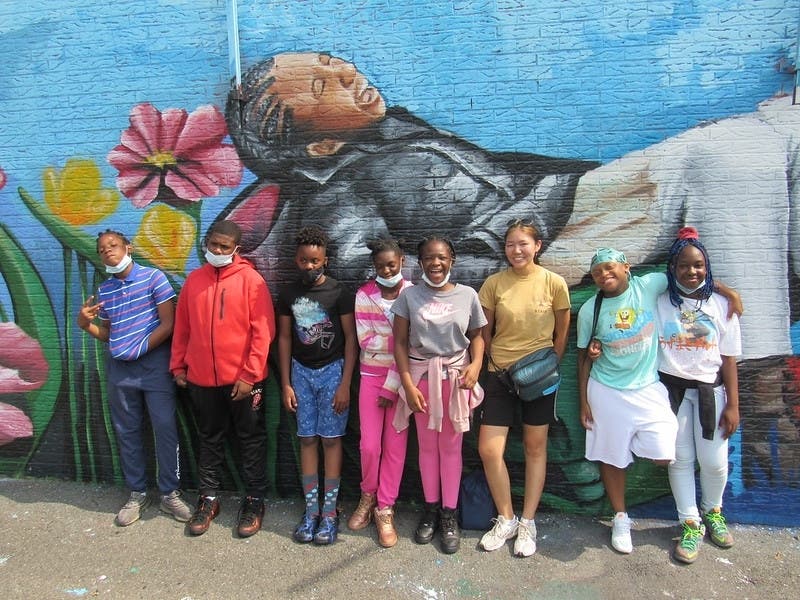
Working with young people from historically marginalized communities over the past two years of this pandemic, it is clear that intentional outdoor programs and camps provide safe physical and emotional spaces for young people to relearn and practice their social-emotional skills.
Here’s what we observed:
1. Students are resilient.
2. When given opportunities to engage in hands-on learning, students are excited.
3. In program surveys students report wanting more opportunities.
Summer camp registrations are off the charts as parents with resources realize how important these programs are for their kids’ happiness and development. Yet parents from historically marginalized communities have very limited options for their children. The pandemic has further underscored the chasm in opportunity for young people from under resourced communities.
If you care about access and equity, support a high-quality summer learning program that supports students experiencing the highest levels of trauma.
Pam Gregory is the President & CEO of the award winning, 114-year-old Princeton-Blairstown Center, located on 268 acres in Blairstown, NJ near the Delaware Water Gap National Recreation Area. She serves on the Board of Directors of the American Camp Association, NY/NJ.