Weather
Mercer County Opens Warming Centers As Winter Weather Arrives
Also, get some tips for dealing with the cold weather this season.


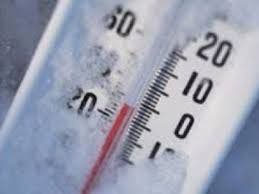
Winter has arrived.
The National Weather Service is calling for slight snow showers in Mercer County before 3 p.m. Thursday, with a high temperature of 26 degrees. Winds are expected to be between 22 and 24 mph, with wind gusts as high as 36 mph.
A low of 13 was expected Thursday night. More snow is expected between 11 p.m. Friday night and 11 a.m. Saturday morning. Snow was expected to turn to rain before the end of the weekend.
Find out what's happening in Princetonfor free with the latest updates from Patch.
“Extremely cold weather is forecast tonight into Saturday,” Mercer County Executive Brian M. Hughes said. “It is imperative that people take the necessary steps to stay warm and to check up on friends and loved ones who may be more sensitive to the bitter cold.
To see the full forecast, visit noaa.gov.
Find out what's happening in Princetonfor free with the latest updates from Patch.
Mercer County has designated several locations as warming sites, where people can escape the cold. Those include municipal senior centers, neighborhood community centers and any of the eight currently open Mercer County Library System Branches (Hollowbrook Center in Ewing is closed for renovations).
All residents are welcome to use these sites; older residents and individuals with chronic health conditions are especially encouraged to use these sites during the day to find comfort. Depending on driver availability, TRADE may be able to assist with transportation to and from these sites.
Residents are encouraged to call (609) 530-1971 if they anticipate requiring transportation assistance.
With severe weather in the forecast, the Mercer County Department of Health and Human Services offers the following tips and information on how to prepare for the extreme cold, deal with it once here, and what you can do afterward:
- Make certain that you have an emergency kit that includes enough food, water, medicine and other supplies to last for at least 72 hours. Basic services such as electricity, gas, water, sewage treatment and telephones may also be affected. Your supplies kit should contain items to help you manage during such outages. Consider sufficient heating fuel if you have a secondary source of heat, and also ensure that you have adequate clothing and blankets to keep you warm.
- Keep fire extinguishers on hand and make sure everyone in your household knows how to use them. House fires pose an additional risk as more people turn to alternate heating sources. The primary hazards to avoid when using alternate sources for electricity, heating or cooking are carbon monoxide poisoning, electric shock and fire.
- Never use a generator, grill, camp stove or other gasoline, propane, natural gas or charcoal-burning devices inside a home, garage, basement, crawlspace or any partially enclosed area. Locate unit away from doors, windows and vents that could allow carbon monoxide to come indoors. At no time should a cooking stove or oven be used for heat. This can be a fire hazard as well as a source of deadly carbon monoxide.
- If a carbon monoxide alarm sounds, move quickly to a fresh-air location outdoors or by an open window or door. Call for help from the fresh-air location and remain there until emergency personnel arrive to assist you. Don’t have a carbon monoxide alarm? The most common symptoms of carbon monoxide poisoning are headache, dizziness, weakness, nausea, vomiting, chest pain and confusion. If you are experiencing any of these symptoms, call for help from a fresh-air location outdoors or by an open window or door and remain there until emergency personnel arrives.
- If your pipes freeze, allow faucets to drip a little during cold weather. Running water, even at a trickle, will prevent freezing. As a precaution, you should also know how to shut off water valves in the event that a pipe bursts.
- Bring pets/companion animals inside during winter weather. Move other animals or livestock to sheltered areas with non-frozen drinking water.
Dealing with the Extreme Cold
- Stay indoors as much as possible. If you must go outside, wear several layers of loose-fitting, lightweight, warm clothing rather than one layer of heavy clothing. The outer garments should be tightly woven and water repellent. Wear mittens, which are warmer than gloves. Wear a hat as you can lose as much as 50 percent of your body’s heat through the head. Cover your mouth with a scarf to protect your lungs.
- If you are outdoors, watch for signs of frostbite and hypothermia, the dangerous and sometimes fatal lowering of body temperatures. Frostbite includes loss of feeling and white or pale appearance in extremities such as fingers, toes, ear lobes, and the tip of the nose. Symptoms of hypothermia include uncontrollable shivering, memory loss, disorientation, incoherence, slurred speech, drowsiness and apparent exhaustion.
- The wind chill index, which takes into account the combined effect of wind speed and air temperature, can be used to indicate the risk of frostbite to exposed skin. Frostbite can occur within 30 minutes at a wind chill temperature of -19, within 10 minutes at -33 and within five minutes at -48.
The Mercer County Health Office recommends the following precautions:
- You can lose as much as 50 percent of your body’s heat through the head, so it’s also important to always wear a warm hat.
- Cover as much skin as possible to guard against frostbite. The nose, cheeks, ears, fingers and toes are most vulnerable. Wind and precipitation raise the risk of frostbite.
- Avoid alcohol and caffeinated beverages because they cause the body to lose heat more rapidly. Instead, drink warm, sweet beverages, broth or soup to maintain body temperature.
- To treat frostbite, cover the frozen area to protect it from further injury and provide extra clothing or blankets. Bring the victim indoors, if possible, and provide something warm and non-alcoholic to drink. Rewarm the frozen area by immersing it in warn, not hot, water. Call for emergency medical assistance.
- Hypothermia, occurs when someone’s body temperature drops below 95 degrees and it can occur indoors. If you can’t maintain a house temperature of 70 degrees, dress warmly and use blankets and hats to keep warm, especially for infants, the elderly and the chronically ill.
- If someone is suffering from hypothermia, bring the victim into a warm room. Remove wet or frozen clothing. Place the victim in warm blankets or a tub of warm, not hot, water. If the victim is conscious, give him non-alcoholic hot liquids. Call for emergency medical assistance.
Mercer County encourages all county residents to check on older neighbors to make sure they are safe during periods of severe weather and offers the following tips and guidelines:
- Make sure seniors have a list of emergency telephone numbers that includes neighbors and family members who can help, if needed.
- Check to see if the furnace is working if the home feels cold. Become alert to dangerous methods of heating a room, such as open flames or ovens.
- Ensure that walkways and steps leading to their homes are cleared and that there is food and water in the house.
- Go back later or the next day, if at all possible, to make sure everything is still alright. Remove your coat and stay at least 15 minutes to determine if the home is warm enough. This is also a great chance to share a cup of coffee (decaffeinated, of course), verify the pipes are not frozen, and check on pets.
- Be particularly mindful of older neighbors during a power outage. Lack of electrical power not only presents dangers associated with lack of heat, but also risks associated with non-functioning vital medical equipment, such as oxygen systems, emergency lighting, stair glides and medication timers. If you cannot contact someone you believe is in the house, contact your local police or emergency services.
When weather circumstances dictate, the Mercer County Senior Nutrition Program provides “Blizzard Boxes” to at-risk older adults who are registered with the agency and often live alone.
The boxes include unperishable foods such as peanut butter, crackers, tuna, fruit juice, bottled water, and other shelf-stable meals and drinks.
After Extreme Cold
- If your home loses power or heat during periods of extreme cold, public shelters are typically opened and information on such openings will be provided online, and through the media.
- Continue to protect yourself from frostbite and hypothermia by wearing warm, loose-fitting, lightweight clothing in several layers. Stay indoors, if possible.
- Conserve fuel, if necessary, by keeping your residence cooler than normal. Temporarily close off heat to some rooms.
- If the pipes freeze, remove any insulation or layers of newspapers and wrap pipes in rags. Completely open all faucets and pour hot water over the pipes, starting where they are most exposed to the old (or where the cold was mostly likely to penetrate).
- Listen to a NOAA Weather Radio or other local news channels for critical information from the National Weather Services and other resources. Be alert to changing weather conditions.
It is recommended that residences maintain a temperature of approximately 68 degrees and that portable gas or propane heaters, which can be fire hazards, be used only in emergency situations. Residents should visit the National Institute on Aging website to learn how to recognize the symptoms of hypothermia:
County residents who meet income eligibility requirements may also qualify for heating assistance through the Low Income Home Energy Assistance Program (LIHEAP). Residents who qualify can sign up for assistance anytime through April 30, 2017, and those who are 60 or over or disabled can receive applications by mail. To find out more information, Mercer County residents can call the Division of Housing at (609) 989-6959, or visit www.energyassistance.nj.gov.
Tenants or homeowners with heating issues are urged to call their landlord or public utility provider for assistance. Information about utility companies and service maps is available on the state Board of Public Utility website at http://www.bpu.state.nj.us/bpu/index.shtml.
“I encourage anyone who has inadequate heating to contact the utility provider or to find out if he or she is eligible for LIHEAP assistance as soon as possible,” Hughes said.
For More Information
In an emergency, call 9-1-1 immediately from any wired or wireless phone. An emergency is any situation that requires immediate assistance from the police, fire department or medical professionals. If you’re not sure whether the situation is a true emergency, call 9-1-1 and the call-taker will determine whether you need emergency help.
While extreme cold weather cannot be controlled, we can all be prepared by taking action in advance to protect ourselves and our families. Be informed. Make a plan. Build a kit. Get involved. Those are the four fundamental steps to being prepared if an emergency occurs. For more information, visit www.ready.gov.
Get more local news delivered straight to your inbox. Sign up for free Patch newsletters and alerts.