Neighbor News
Wisdom Tooth Hole Still Open? Here’s How Long Healing Can Take
You had your wisdom tooth removed. The pain is better. The swelling has gone down. Maybe your stitches have even disappeared.

Wisdom Tooth Hole Still Open? Here’s How Long Healing Can Take
You had your wisdom tooth removed. The pain is better. The swelling has gone down. Maybe your stitches have even disappeared.
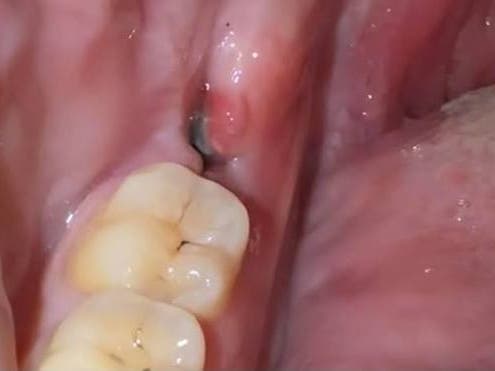
But when you look in the mirror, there is still a hole where the tooth used to be.
Find out what's happening in Princetonfor free with the latest updates from Patch.
Is that normal?
For many patients, the answer is yes.
Find out what's happening in Princetonfor free with the latest updates from Patch.
A wisdom tooth extraction site does not close overnight. In fact, the opening can remain visible for several weeks because the socket heals gradually from the inside and bottom upward.
Understanding what normal healing looks like—and which symptoms deserve a call to your dentist—can make recovery much less stressful.
Why Is There Still a Hole After Wisdom Tooth Removal?
When a wisdom tooth is extracted, it leaves behind a socket in the jawbone where the tooth and its roots were located.
Your body must gradually replace that space with new tissue and, eventually, new bone.
This takes time.
The gum tissue at the surface may improve relatively quickly, while deeper healing continues for weeks or even months.
That means seeing a small hole or indentation does not necessarily mean your extraction isn't healing properly.
How Long Does a Wisdom Tooth Hole Take to Close?
Healing varies depending on the person and complexity of the extraction, but a general timeline may look like this:
First few days: A blood clot forms inside the socket and protects the healing tissues.
One to two weeks: Pain and swelling should generally improve substantially. New healing tissue develops, although the hole may remain visible.
Two to six weeks: The gum tissue continues closing and the extraction opening gradually becomes smaller.
Six weeks and beyond: A small indentation may still be visible in some patients as deeper healing continues.
Several months: Bone underneath the gums continues remodeling and filling the extraction socket.
The important point is that feeling better and having the hole completely disappear are two different stages of recovery.
Why Does the Socket Heal So Slowly?
Wisdom teeth can have large roots and sit deep within the jawbone, particularly impacted lower wisdom teeth.
After the tooth is removed, your body cannot simply close the entire space immediately.
Instead, new tissue develops progressively within the socket.
Several factors can influence how quickly the area heals, including:
- The size of the extracted tooth
- Whether the wisdom tooth was impacted
- The depth of the socket
- Upper versus lower wisdom teeth
- The complexity of the surgery
- Smoking or vaping
- Oral hygiene
- Individual healing response
- Certain medical conditions
A complicatedimpacted wisdom tooth extraction may therefore take longer to heal than a straightforward extraction.
Is an Open Wisdom Tooth Hole a Dry Socket?
Not necessarily.
This is one of the biggest concerns patients have when they see an open extraction site.
Dry socket is usually associated with significant pain, not simply the presence of a visible hole.
It occurs when the protective blood clot inside the extraction socket is lost or breaks down too early.
Symptoms may include:
- Severe or increasing pain
- Pain that radiates toward the ear, temple, eye, or neck
- Bad taste
- Bad breath
- Possible visible bone
- Pain that becomes worse rather than better during the first several days
If your extraction site still looks open but you are feeling progressively better, that is very different from suddenly developing severe, worsening pain.
Why Does My Wisdom Tooth Hole Look Black?
A dark-looking socket can be alarming, but color alone does not diagnose a problem.
During early healing, the blood clot itself may appear dark red, brown, maroon, or nearly black.
The socket can also appear dark simply because it is deep and shadowed.
Food debris can occasionally contribute to a darker appearance as well.
Avoid poking at the area or attempting to scrape away anything that looks dark.
If the dark appearance occurs with worsening pain, foul drainage, swelling, fever, or a bad taste, contact your dentist.
What Is the White Material in My Wisdom Tooth Hole?
White or cream-colored tissue inside an extraction site does not automatically mean infection.
Healing tissue and fibrin can create a whitish appearance as the socket repairs itself.
Again, symptoms matter more than color alone.
White material accompanied by increasing swelling, pus, fever, foul drainage, or worsening pain deserves professional evaluation.
What If Food Keeps Getting Stuck in the Hole?
Food becoming trapped in a wisdom tooth socket is extremely common, particularly while the opening is still relatively large.
It can be annoying, but it does not automatically mean the socket is infected.
During the early healing period, follow your dentist or oral surgeon's instructions carefully.
Depending on where you are in your recovery, recommendations may include:
- Gentle warm saltwater rinses
- Carefully brushing surrounding teeth
- Eating softer foods
- Chewing on the opposite side
- Avoiding seeds and hard food particles
- Using an irrigation syringe later in recovery if instructed
Do not dig inside the socket with a toothpick, fingernail, sharp object, or dental instrument.
Aggressive cleaning can injure healing tissue.
When Can You Start Flushing a Wisdom Tooth Hole?
Timing matters.
Forcefully irrigating a fresh extraction socket too soon could disturb early healing.
Later in recovery, some dentists and oral surgeons recommend an irrigation syringe to gently remove trapped food.
Follow the specific instructions given by the clinician who performed your extraction rather than deciding when to begin irrigation based solely on how the socket looks.
What If the Stitches Fall Out?
Many wisdom tooth extractions use dissolvable sutures.
These stitches can loosen or disappear as healing progresses.
An extraction site can also heal normally without stitches.
If your stitches come out and you develop significant bleeding, worsening pain, wound separation, or another concerning symptom, contact your dentist or oral surgeon.
When Should an Open Wisdom Tooth Hole Be Checked?
Instead of focusing only on whether you can still see a hole, pay attention to how your recovery is progressing.
Contact your dentist or oral surgeon if you experience:
- Severe or increasing pain
- Pain that improves and then suddenly becomes much worse
- Increasing facial swelling
- Fever or chills
- Pus or foul drainage
- Persistent bad taste or odor
- Bleeding that does not stop
- Difficulty swallowing
- Difficulty breathing
- Significant pain several weeks after extraction
- An extraction site that stops improving
- Persistent food trapping that you cannot manage safely
Difficulty breathing or significant difficulty swallowing can require urgent medical attention.
What If the Hole Is Still There After a Month?
A visible indentation several weeks after wisdom tooth removal can still occur during normal healing.
Remember that the gum surface and the bone underneath it heal at different speeds.
The extraction socket may continue filling with tissue for weeks, while complete bone remodeling can take several months.
However, if the site remains large, painful, swollen, draining, or otherwise concerning, schedule an examination.
How Can You Help a Wisdom Tooth Extraction Heal Properly?
Following your postoperative instructions is one of the most important things you can do.
In general:
- Avoid smoking and vaping during healing.
- Follow your dentist's instructions about rinsing.
- Keep the rest of your mouth clean.
- Choose softer foods during early recovery.
- Avoid poking or scraping the socket.
- Stay hydrated.
- Attend recommended follow-up appointments.
- Contact your dentist if symptoms worsen instead of improve.
Most importantly, do not judge healing solely by what the hole looks like in the mirror.
The Bottom Line
A wisdom tooth hole that remains visible for several weeks does not automatically mean something went wrong.
The socket heals gradually from the bottom upward. Gum tissue may take several weeks to close, while the underlying bone can continue healing for months.
What matters most is the direction of your recovery.
If pain and swelling are decreasing and the opening is gradually becoming smaller, healing may be progressing normally.
If you develop severe or worsening pain, fever, pus, increasing swelling, persistent bleeding, foul drainage, or other concerning symptoms, contact your dentist or oral surgeon.
Learn More About Wisdom Tooth Hole Healing
Still wondering whether your extraction site looks normal?
Read Dent Blanche Dental's complete guide to wisdom tooth socket healing, including healing stages, dry socket, food trapped in the socket, stitches, black or white areas in the extraction site, and warning signs:
Wisdom Tooth Hole Never Closed: How Long Does It Take?
https://dentblanchedental.com/wisdom-tooth-hole-never-closed-how-long-does-it-take/
Schedule an Appointment at Dent Blanche Dental
If your wisdom tooth extraction site isn't healing as expected, you don't have to keep wondering whether what you're seeing is normal.
Dent Blanche Dental can evaluate persistent pain, delayed healing, suspected dry socket, infection, food trapping, and other concerns following a tooth extraction.
Dent Blanche Dental – Princeton, NJ
Call 609-890-1888 to schedule an appointment.
Visit:
https://dentblanchedental.com
New patients are welcome.
Found this article helpful? Share it with friends or family who recently had their wisdom teeth removed. It may help someone feel more confident about what is—and isn't—normal during recovery.