Schools
Woodrow Wilson's Name to Remain on Princeton University Buildings
A board-appointed committee also recommended "an expanded and more vigorous commitment to diversity and inclusion" at the University.


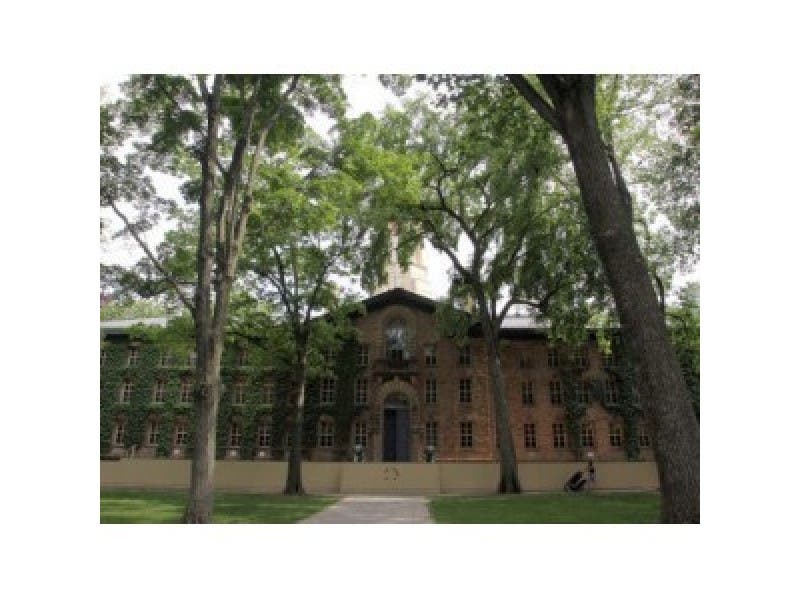
Princeton, NJ -- Despite an uproar from students on campus last year, Princeton University will leave Woodrow Wilson’s name on a pair of buildings on campus, the University announced on Monday.
The Board of Trustees has accepted a report from its 10-member committee formed to explore the issue that calls for both the school of public and international affairs and the undergraduate residential college that bear Wilson's name to continue to do so.
It also said the University should be "honest and forthcoming about its history" and transparent "in recognizing Wilson's failings and shortcomings as well as the visions and achievements that led to the naming of the school and the college in the first place."
Find out what's happening in Princetonfor free with the latest updates from Patch.
Wilson is a graduate of the University, and served as president of Princeton University from 1902-1910, and as New Jersey Governor from 1910-1913, just before becoming president. He supported segregation, and appointed Cabinet members who segregated federal departments.
The report also calls for “an expanded and more vigorous commitment to diversity and inclusion” at the University, with concerted efforts to implement a broad range of existing initiatives and take additional actions.
Find out what's happening in Princetonfor free with the latest updates from Patch.
Those actions include initiatives in four areas:
* Establish a new high-profile pipeline program to encourage more students from underrepresented groups to pursue doctoral degrees;
* Encourage and support a broad range of education and transparency initiatives to create a more multi-faceted understanding and representation of Wilson on campus and to focus attention on aspects of Princeton's history that have been forgotten, overlooked, subordinated, or suppressed;
* Diversify campus art and iconography to reflect the diversity and inclusivity of today's Princeton; and
* Change Princeton's informal motto from "Princeton in the nation's service and the service of all nations" to "Princeton in the nation's service and the service of humanity."
The committee was assembled after about 30 students who are part of the Black Justice League, a Black Lives Matter group,staged a 32-hour sit-in on campus in November.
The students were demanding Wilson’s name be removed from college buildings and programs, as well as the removal of his mural from the Wilcox Dining Hall.
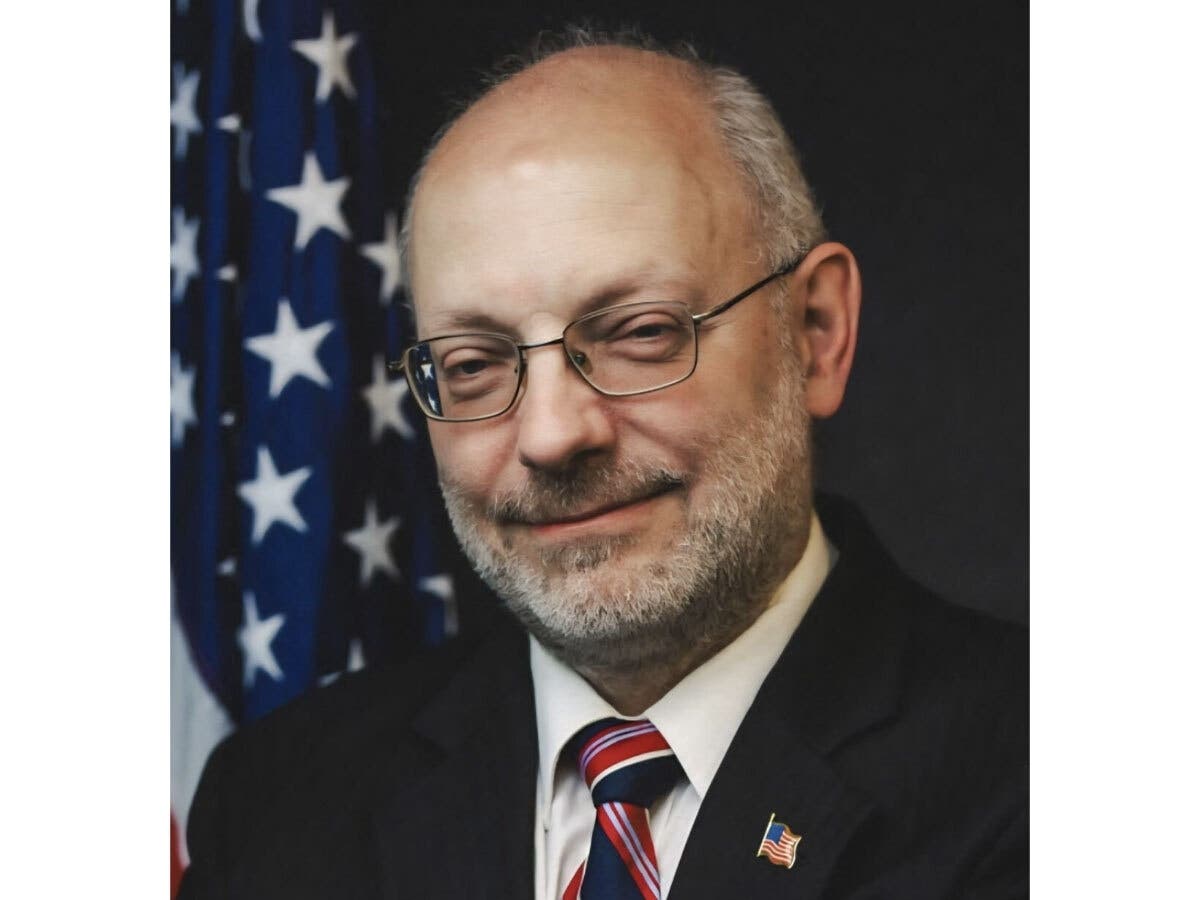
The committee was chaired by the vice chair of the board, Brent Henry.
It developed its recommendations following nine meetings late last year, the creation of a website to collect observations and opinions about Wilson and his legacy, meetings with groups representing students, faculty, staff, and alumni; conducted a two-hour open forum on the Friday prior to Alumni Day; and convened 11 on-campus small group discussions in which more than 80 students, faculty, staff, alumni, and others participated.
"We are deeply appreciative to all who shared their views with us, in person and on our website," Henry said. "This has been a learning experience for us and for the University community, and it has reminded us how much we can learn when we listen to one another, as we have throughout this process and as we need to continue to do. As we say in our report, we all need to acknowledge the challenges that confront us today and the shortcomings of our past as we focus together on the Princeton we want to become and the steps we all must take to get there."
"I want to thank the members of the special committee for conducting this review in a way that allowed many voices to be heard and encouraged informed and thoughtful discussion of important issues,” Board of Trustees Chair Katie Hall said. The board strongly endorsed the committee's report and recommendations, including its call for a renewed and expanded commitment to diversity and inclusion, and for much greater transparency in representing Wilson and his legacy, as well as the rest of our history, on our campus."
Princeton's school of public and international affairs was named after Wilson in 1935.
The naming of Princeton's first residential college for Wilson was approved by the trustees upon the recommendation of students in the 1950s and 1960s who wanted to create a residential arrangement on campus similar to one that Wilson had proposed while president of the University, according to the University.
Get more local news delivered straight to your inbox. Sign up for free Patch newsletters and alerts.