Health & Fitness
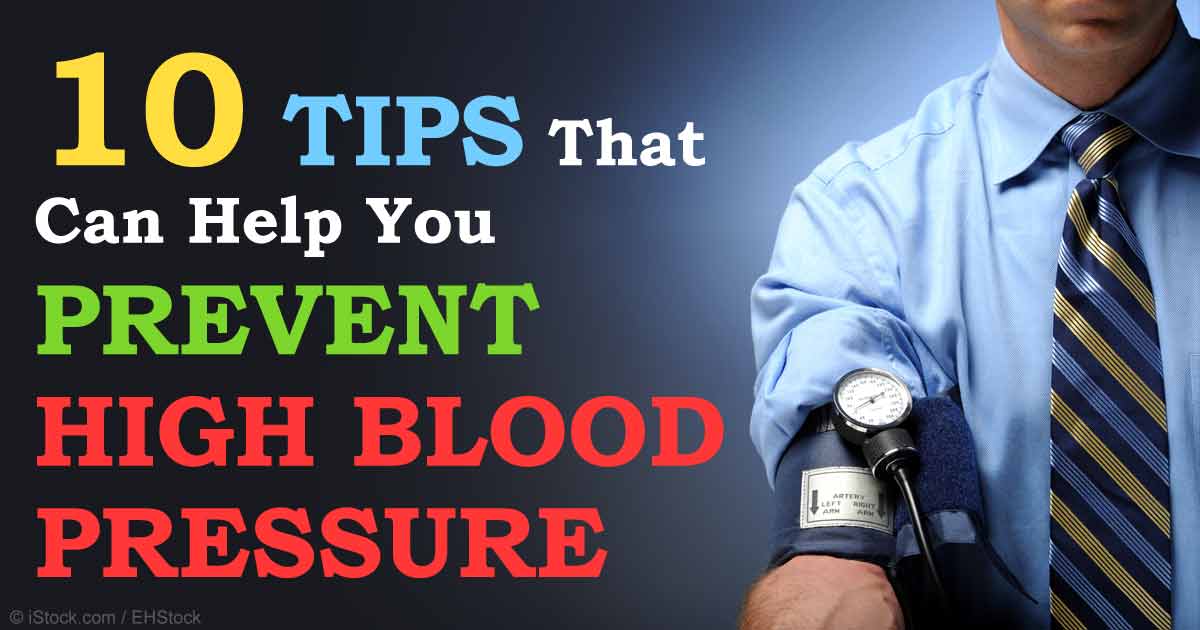
10 Tips To Help To Prevent High Blood Pressure
Only 52%of those who have been diagnosed have their blood pressure levels under control.

High blood pressure in America is a problem that has been getting worse, not better in recent years.
According to a new report from the US Centers for Disease Control and Prevention (CDC), the number of deaths due to high blood pressure (AKA hypertension) increased nearly 62%from 2000 to 2013!
Currently, about 70 million US adults struggle with high blood pressure, which amounts to one in every three adults.
Find out what's happening in Ramseyfor free with the latest updates from Patch.
Only 52%of those who have been diagnosed have their blood pressure levels under control and another one in three US adults has pre-hypertension, which means blood pressure is elevated and at risk of progressing to full-blown hypertension.
If your blood pressure is elevated, it means the force of blood pushing against the walls of your arteries is too high, which can cause damage over time. Many are familiar with the related heart risks this can cause. For instance, high blood pressure increases your risk of heart disease, heart failure and stroke.
Find out what's happening in Ramseyfor free with the latest updates from Patch.
Less well-known, but equally important, is the fact that high blood pressure can contribute to kidney failure, by weakening and narrowing blood vessels in your kidneys. Hypertension can also contribute to problems with memory and understanding.
High blood pressure has even been linked to an increased risk of developing and dying from, cancer and is known to trigger and worsen complications of diabetes, including diabetic eye disease and kidney disease.
Even Slight Weight Gain Increases Your Blood Pressure Levels:
If you’re overweight or obese, you have a greater risk of developing high blood pressure. However, research presented last year at the American Heart Association’s High Blood Pressure Research Scientific Sessions in San Francisco, California found that even a slight increase in weight may drive your levels up.
Dietary Sugar Raises Your Blood Pressure:
One of the primary underlying causes of high blood pressure is related to your body producing too much insulin and leptin in response to a high-carbohydrate, high sugar and high processed food diet.
As it turns out, by eliminating excess sugar/fructose from your diet, you can address insulin and leptin levels, as well as the associated increase in uric acid. A general rule of thumb is to keep your total fructose consumption below 25 grams per day.
If you’re insulin resistant (about 80% of Americans are), have high blood pressure, diabetes, heart disease, or other chronic disease, you’d be wise to limit your fructose to 15 grams or less per day, until your condition has normalized.
In his book The Sugar Fix, Dr. Richard Johnson includes detailed tables showing the content of fructose in different foods. Keep in mind that for most Americans, in order to lower your fructose/sugar consumption you’ll also need to eliminate sugar-sweetened beverages and processed foods.
Staying Fit Can Keep Your Blood Pressure Healthier, Longer:
It’s not only your diet that matters for healthy blood pressure. A comprehensive fitness program is another strategy that can improve your blood pressure and heart health on multiple levels. You should consul;t a physician prior to starting any fitness program.
Be Aware of White Coat Hypertension:
“White coat hypertension” is a term used for when a high blood pressure reading is caused by the stress or fear associated with a doctor or hospital visit. This can be a transient yet serious concern, and it’s estimated that up to 20% of people diagnosed with hypertension actually only have white coat hypertension, which means their blood pressure was only elevated because they were nervous. If this applies to you, try testing your blood pressure levels at home instead. Stress reduction is also key.
This is Dr. Joseph Mercola’s list of 10 steps to preventing hypertension.
Why not read them over and discuss them with your physician?
1. Skip breakfast: Research shows that intermittent fasting helps fight obesity and type 2 diabetes, both of which are risk factors for high blood pressure. Your body is most sensitive to insulin and leptin after a period of fasting. While there are many types of fasting regimens, one of the easiest to comply with is an eating schedule where you limit your eating to a specific, narrow window of time each day. I typically recommend starting out by skipping breakfast, and making lunch your first meal of the day.
2. Optimize your vitamin D levels: Arterial stiffness (atherosclerosis) is a driving factor for high blood pressure. As your blood travels from your heart, cells in the wall of your aorta, called baroreceptors, sense the pressure load, and signal your nervous system to either raise or lower the pressure. However, the stiffer your arteries are, the more insensitive your baroreceptors become, and the less efficient they become at sending the appropriate signals. Vitamin D deficiency is, in turn, linked to stiff arteries, which is why optimizing your levels is so important.
3. Address your stress: The link between stress and hypertension is well documented. Suppressed negative emotions such as fear, anger, and sadness can severely limit your ability to cope with the unavoidable every day stresses of life. It’s not the stressful events themselves that are harmful, but your lack of ability to cope. I recommend the Emotional Freedom Technique (EFT) to transform your suppressed, negative emotions and relieve stress.
4. Normalize your omega 6:3 ratio: Most Americans get too much omega-6 in their diet and far too little omega-3. Consuming omega-3 fats will help re-sensitize your insulin receptors if you suffer from insulin resistance. Omega-6 fats are found in corn, soy, canola, safflower, and sunflower oil. If you’re consuming a lot of these oils, you’ll want to avoid or limit them.
5. Optimize your gut flora: Compared to a placebo, people with high blood pressure who consumed probiotics lowered systolic blood pressure (the top number) by 3.56 mm Hg and diastolic blood pressure (the bottom number) by 2.38 mm Hg.17 The best way to optimize your gut flora is by including naturally fermented foods in your diet, which may contain about 100 times the amount of bacteria in a bottle of high-potency probiotics.
6. Maintain an optimal sodium-potassium ratio: An imbalanced ratio may lead to hypertension. To ensure yours is optimal, ditch all processed foods, which are very high in processed salt and low in potassium and other essential nutrients. Instead, eat a diet of whole, unprocessed foods, ideally organically and locally-grown to ensure optimal nutrient content. This type of diet will naturally provide much larger amounts of potassium in relation to sodium.
7. Eliminate caffeine: The connection between coffee consumption and high blood pressure is not well understood, but there is ample evidence to indicate that if you have hypertension, coffee and other caffeinated drinks and foods may ex¬acerbate your condition.
8. Vitamins C and E: Studies indicate that vitamins C and E may be helpful in lowering blood pressure. If you’re eating a whole food diet, you should be getting sufficient amounts of these nutrients through your diet alone. If you decide you need a supplement, make sure to take a natural (not synthetic) form of vitamin E. You can tell what you’re buying by care¬fully reading the label. Natural vitamin E is always listed as the “d-” form (d-alpha-tocopherol, d-beta-tocopherol, etc.) Synthetic vitamin E is listed as “dl-” forms.
9. Olive leaf extract: In one 2008 study, supplementing with 1,000 mg of olive leaf extract daily over eight weeks caused a significant dip in blood pressure in people with borderline hypertension. If you want to incorporate olive leaves as a natural adjunct to a nutrition¬ally sound diet, look for fresh leaf liquid extracts for maximum synergistic potency. You can also prepare your own olive leaf tea by placing a large teaspoon of dried olive leaves in a tea ball or herb sack. Place it in about two quarts of boiling water and let it steep for three to 10 minutes. The tea should be a medium amber color when done.
10. Quick tricks: Increasing nitric oxide in your blood can open constricted blood vessels and lower your blood pressure. Methods for in¬creasing the compound include taking a warm bath, breathing in and out through one nostril (close off the other nostril and your mouth), and eating bitter melon, rich in amino acids and vitamin C.