Health & Fitness
3 Alarming Impacts of Sleep Deprivation
We all need our sleep, but why is good and restful sleep essential for good health?

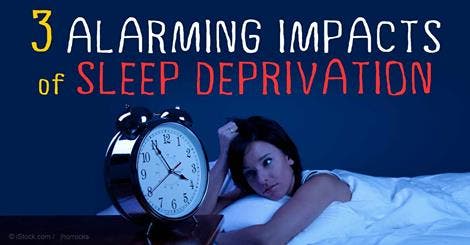
We all need our sleep, but why is good and restful sleep essential for good health? This is not a phenomenon that is restricted to just the human race. All mammals, birds and reptiles require sleep on a regular basis in order to function and to be healthy.
Why sleep is so important is a question that been intensively studied, with few definitive answers. What we do know is that sleep is vital to survival.
There is a genetic condition called fatal familial insomnia . The name alone doesn’t sound too good. In this condition, a damaged thalamus in the brain, makes it impossible to sleep. First, the ability to nap disappears, then it becomes increasingly difficult to sleep at night. It progresses over the course of about a year until and is eventually fatal.
Find out what's happening in Ramseyfor free with the latest updates from Patch.
It is known that sleep is crucial for proper brain function. The brain doesn’t simply “turn off” while you’re sleeping. The brain goes through periods of deep sleep and high activity. The activity phases of sleep are similar to those that occur when you’re awake.
Sleeping is thought to lead to a loss of sensory awareness and an inability to interact with your environment, but according to new research, when you are sleeping, your brain is still very much aware. So even if you’re asleep, your brain is still active, which may explain why noises you’re conditioned to respond to, such as the sound of your name or your alarm clock, wake you up easily, while other noises do not.
Find out what's happening in Ramseyfor free with the latest updates from Patch.
After you drift off to sleep, your body gets to work repairing and restoring itself. Among the leading theories on why we sleep is that it’s a vial time to recuperate from the damage of daily living.
What Happens When You’re Sleep Deprived?
Research tells us that sleep deprivation can contribute to many health issues. Some of these are diabetes, obesity, heart disease, physical aches and pains as well as irreversible brain damage.
In one study, sleep-deprived mice lost 25% of the neurons located in their locus coeruleus, a nucleus in the brainstem associated with cognitive processes. The research also showed that “catching up” on sleep on the weekend will not prevent this damage.
Other research published in the journal Neurobiology of Aging , suggests that people with chronic sleep problems may develop Alzheimer’s disease sooner than those who sleep well.
More research shows that sleeping less than six hours per night more than triples your risk of high blood pressure and women who get less than four hours of sleep per night double their chances of dying from heart disease.
Previous research has found that sleep deprivation has a similar effect on your immune system as physical stress or illness, which may help explain why a lack of sleep is tied to an increased risk of numerous chronic diseases.
3 Major Impacts of Sleep Deprivation:
What makes sleep deprivation so detrimental is that it doesn’t just impact one aspect of your health, it impacts many.
1. Reaction Time Slows: When you’re sleep-deprived, you’re not going to react as quickly as you normally would. One study even found that sleepiness behind the wheel was nearly as dangerous as drinking and driving.
2. Your Cognition Suffers: Your ability to think clearly is also dampened by the lack of sleep. If you’re sleep-deprived, you will have trouble retaining memories, processing information and making decisions. This is why it’s so important to get a good night’s sleep prior to important events at work or home.
3. Your Emotions Are Heightened: As your reaction time and cognition slows, your emotions will be kicked into high gear. This means that arguments with co-workers or your spouse are more likely and you’re probably going to blow things out of proportion.
How do you know if you need more sleep?
1. If you don’t wake up on your own.
2. You wake up tired.
3. If you take more than 10-15 minutes to fall asleep at night.
Dr. Mercola’s Tips For Better Sleep:
1. Avoid watching TV or using your computer in the evening, at least an hour or so before going to bed.
2. Make sure you get bright sun exposure regularly
3 Sleep in complete darkness, or as close to it as possible.
4. Install a low-wattage yellow, orange, or red light bulb if you need a source of light for navigation at night.
5. Keep the temperature in your bedroom no higher than 70°F.
6. Take a hot bath 90 to 120 minutes before bedtime.
7. Avoid using loud alarm clocks.
8. Get some sun in the morning, if possible.
9. Be mindful of electromagnetic fields (EMFs) in your bedroom.