Health & Fitness
5 Things You Didn't Know About Honey
Honey's blend of sugar, trace enzymes, minerals, vitamins and amino acids is quite different from any other sweetener.

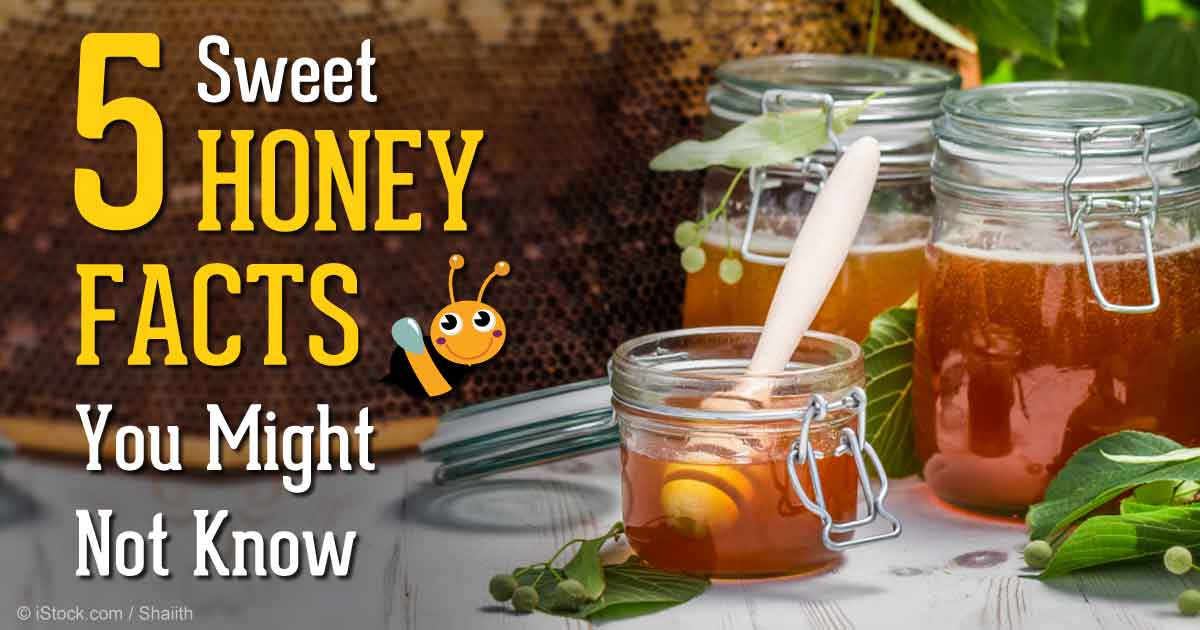
Honey is an incredible substance. It takes about 60,000 bees, collectively traveling up to 55,000 miles and visiting more than 2 million flowers, to gather enough nectar to make one pound of honey. Away from air and water, honey can be stored indefinitely.
Honey production flourished in ancient Greece and Sicily and has been valued as a natural sweetener long before sugar became widely available Honey is even more extraordinary by the process with which it is made. This blend of sugar, trace enzymes, minerals, vitamins and amino acids is quite different from any other sweetener.
There are more than 300 kinds of honey in the US, each with a unique color and flavor that is dependent upon the nectar source. Lighter colored honeys, such as those made from orange blossoms, tend to be milder in flavor while darker-colored honeys, like those made from wildflowers, tend to have a more robust flavor.
Find out what's happening in Ramseyfor free with the latest updates from Patch.
Honey has many health benefits when used in moderation.
5 Honey Facts You Might Not Know:
Find out what's happening in Ramseyfor free with the latest updates from Patch.
1. Honey Makes Excellent Cough “Medicine” - The World Health Organization (WHO) lists honey as a demulcent, which is a substance that relieves irritation in your mouth or throat by forming a protective film.
Research shows honey works as well as dextromethorphan, a common ingredient in over the counter cough medications, to soothe cough and related sleeping difficulties due to upper respiratory tract infections in children.
2. Honey Can Treat Wounds - Honey was a conventional therapy in fighting infection up until the early 20th century, at which time its use slowly vanished with the advent of penicillin. Now the use of honey in wound care is regaining popularity, as researchers are determining exactly how honey can help fight serious skin infections. Honey has antibacterial, antifungal, and antioxidants activities that make it ideal for treating wounds.
Compared to other types of honey, Manuka has an extra ingredient with antimicrobial qualities, called the Unique Manuka Factor (UMF). It is so called because no one has yet been able to discover the unique substance involved that gives it its extraordinary antibacterial activity.
Honey releases hydrogen peroxide through an enzymatic process, which explains its general antiseptic qualities, but active Manuka honey contains “something else” that makes it far superior to other types of honey when it comes to killing off bacteria.
Research shows that any type of unprocessed honey helped wounds and ulcers heal. In one study, 58 of 59 wounds showed “remarkable improvement following topical application of honey.”
3. Honey Improves Your Scalp - Honey diluted with a bit of warm water was shown to significantly improve seborrheic dermatitis, which is a scalp condition that causes dandruff and itching. After applying the solution every other day for four weeks, “all of the patients responded markedly.” According to the researchers; “Itching was relieved and scaling was disappeared within one week. Skin lesions were healed and disappeared completely within 2 weeks. In addition, patients showed subjective improvement in hair loss.”
4. Help Boost Your Energy - A healthy, whole-food diet and proper sleep is the best recipe for boundless energy, but if you’re looking for a quick energy boost, such as before or after a workout, honey can suffice. This is particularly true for athletes looking for a “time-released fuel” to provide energy over a longer duration.
5. Reduce Allergy Symptoms - Locally produced honey, which will contain pollen spores picked up by the bees from local plants, introduces a small amount of allergen into your system. Theoretically, this can activate your immune system and over time can build up your natural immunity against it.
The typical recommendation is to take about a teaspoon-full of locally produced honey per day, starting a few months PRIOR to the pollen season, to allow your system to build up immunity. And the key here is local.
Honey Should Be Consumed Only in Moderation:
Honey has many healthy attributes, but it is also high in fructose, averaging around 53%. Each teaspoon of honey has nearly four grams of fructose, which means it can exacerbate pre-existing insulin resistance and wreak havoc on your body if consumed in excess. So when consuming honey, carefully add the total grams of fructose (including fruits) that you consume each day, and stay below 25 grams of total fructose per day.
Keep in mind, though, that if you have insulin resistance (i.e. if you are taking drugs for high blood pressure, cholesterol, diabetes, or if you’re overweight) you’d be better off avoiding all sweeteners, including honey, since any sweetener can decrease your insulin sensitivity and worsen your insulin resistance. If you’re healthy, however, eating raw honey in moderation could provide many of the benefits listed above.