Health & Fitness
Are You Sitting Yourself Into Poor Health?
There is an increasing amount of research that indicates that a significant health risk is associated with excessive sitting.

Our ancestors were not sedentary beings. They did not sit around as we do. Adults are not the only ones at risk. Today’s children spend more than 60% of their waking hours sitting. Estimates put children sitting an average of 8.5 hours a day. Activity levels decline steeply after age 8, especially among girls.
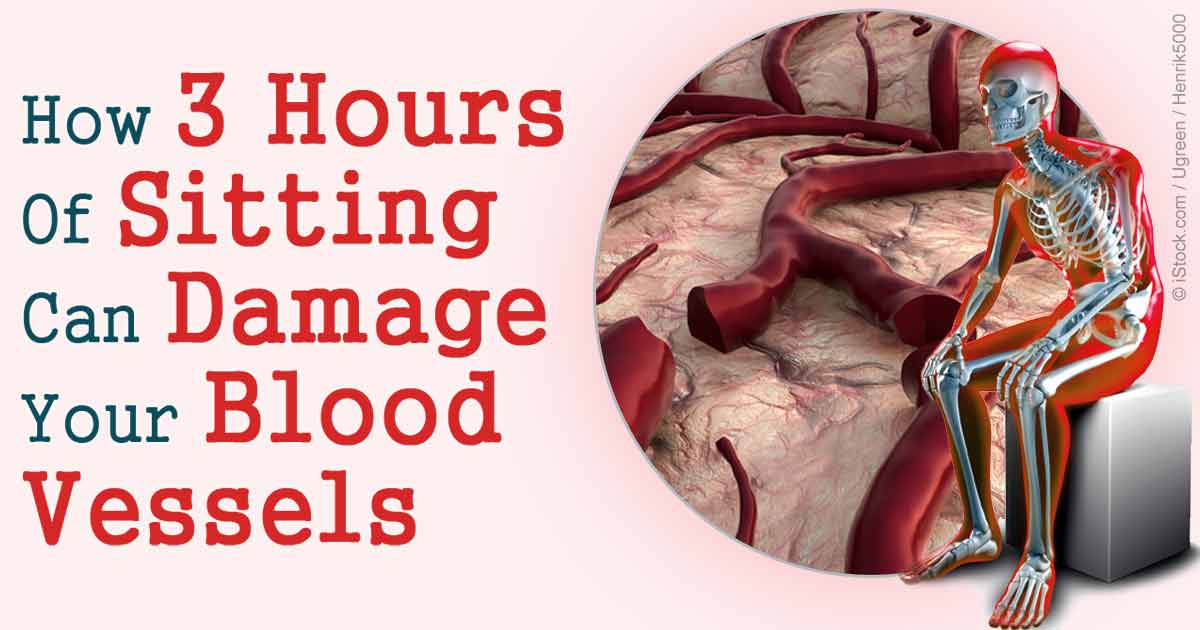
Sitting for hours every day can lead to constricted arteries in your legs, which impedes blood flow and raises blood pressure. Over time, sitting too much contributes to the development of diabetes and heart disease.
Just Three Hours of Uninterrupted Sitting Reduces Vascular Function:
Find out what's happening in Ramseyfor free with the latest updates from Patch.
On average, a US adult spends nine to 10 hours each day sitting. That is so much inactivity that even a 30- or 60-minute workout can’t fully counteract its negative effects.
The “Mind Unleashed” featured a particularly noteworthy description of what happens in various areas of your body after prolonged sitting:
Find out what's happening in Ramseyfor free with the latest updates from Patch.
1. Your Brain function slows when your body is sedentary for too long. Your brain will get less fresh blood and oxygen, which are needed to trigger the release of brain- and mood-enhancing hormones.
2. Heart: When you sit, blood flows slower and muscles burn less fat, which makes it easier for fatty acids to clog your heart. Research published in the Journal of the American College of Cardiology showed that women who sit for 10 or more hours a day, may have a significantly greater risk of developing heart disease than those who sit for five hours or less.
3. Pancreas: Your body’s ability to respond to insulin can change after just one day of excess sitting, which leads your pancreas to produce increased amounts of insulin. This may lead to diabetes. Sitting for more than eight hours a day has been associated with a 90% increased risk of type 2 diabetes.
4. Digestion: Sitting down after you’ve eaten causes your abdominal contents to compress, slowing down digestion. Sluggish digestion, in turn, can lead to cramping, bloating, heartburn and constipation, as well as microbial imbalances in your body.
5. Cancer: Excess sitting may increase your risk of colon, breast and endometrial cancers. The mechanism isn’t known for certain, but it could be due to excess insulin production, which encourages cell growth, or the fact that regular movement boosts antioxidants in your body. Findings presented at the 2015 Inaugural Active Working Summit, found that sitting increases; lung cancer by 54%, uterine cancer by 66% and colon cancer by 30%. Another reason for this increased cancer risk is thought to be linked to weight gain and associated biochemical changes, alterations in hormones, metabolic dysfunction, leptin dysfunction and inflammation, all of which promote cancer.
6. Strained Neck and Shoulders: It’s common to hold your neck and head forward while working at a computer. This can lead to imbalances of the neck, shoulders and back. It’s estimated that 40% of people with back pain spend long hours at their computer each day. The discs in your spine are meant to expand and contract as you move, which allows them to absorb nutrients and to eliminate toxins. When you sit, the discs are compressed and can lose their flexibility over time. Sitting excessively also increase your risk of herniated discs.
7. Muscle Degeneration: Standing requires you to tense your abdominal muscles, which go unused when you sit, ultimately leading to weak abdominals and core instability.
8. Hip Problems: Your hips also suffer from prolonged sitting, becoming tight and limiting your ranges of motion. In the elderly, decreased hip mobility is a leading cause of falls.
Sitting also weakens your glutes, affecting your stability and the power of your stride when walking and jumping.
9. Varicose Veins: Sitting leads to poor circulation in your legs, which can cause swelling in your ankles, varicose veins and blood clots known as deep venous thromboses.
10. Weak Bones: Walking, running and engaging in other weight-bearing activities lead to stronger, and denser bones. A lack of activity may cause weak bones and even osteoporosis.
The Advantages of a Standing Desks:
1. Standing desks boost heart rate by about eight beats per minute.
2. Standing desks may also boost HDLs, which is your good cholesterol
3. Using a standing desk can lead to weight loss
4. People who use standing desks report less fatigue, tension, confusion and depression. They also report more vigor, energy, focus and happiness
Tips for Keeping Your Kids Moving:
It’s just as important for children and adolescents to remain active throughout the day as it is for adults. Younger kids tend to naturally want to be active, so be sure to encourage this movement and activity as much as possible. Unfortunately, as kids get older they may tend to become increasingly sedentary, especially if they have regular access to television, computers, tablets and video games.
As a parent, you’ll want to set limits on your child’s screen time and encourage not only organized sports, but active activities, which includes regular active play.
Taking part in active chores around the house keeps them moving, teaches them how to do things that they will have to do when they have their own home, gives them responsibilities and the satisfaction of accomplishing something.
It’s also imperative that you act as a role model by staying active yourself. If your kids see you moving around often and sitting less, they will naturally follow suit.