Health & Fitness
Are You Sleep Deprived?
It is estimated that 40% of Americans are sleep deprived, are you one of them?

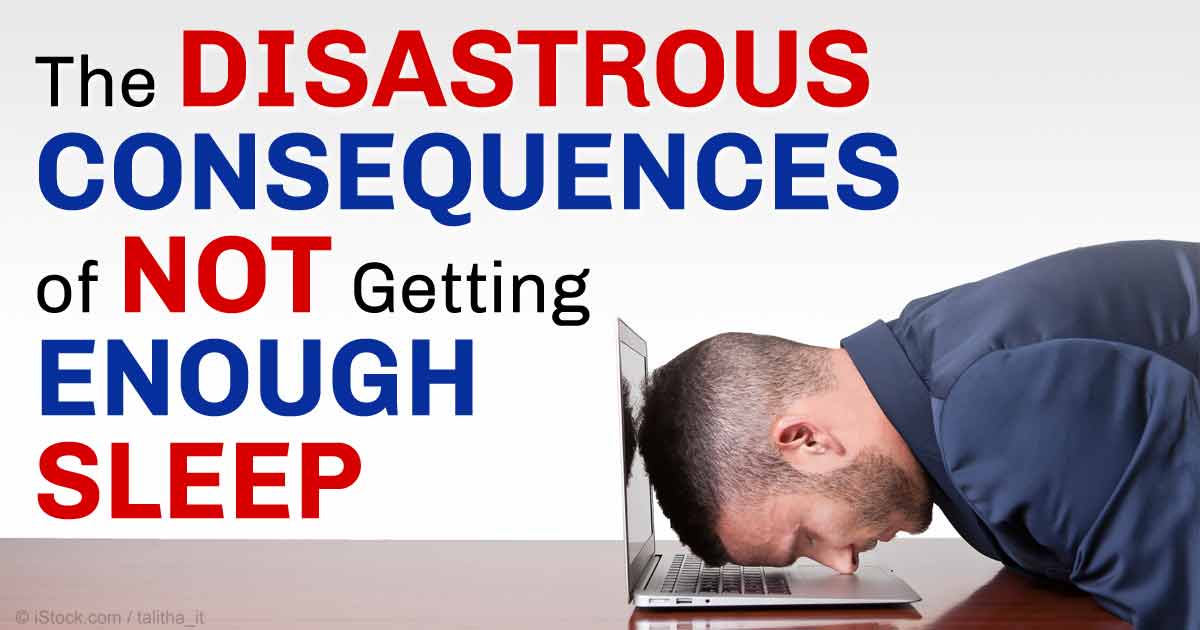
According to the Centers for Disease Control and Prevention (CDC), the lack of sleep is a public health epidemic, noting that insufficient sleep has been linked to a wide variety of health problems.
After reviewing more than 300 studies to determine how many hours of sleep most people need to maintain their health, an expert panel concluded the same thing that we have heard all of our lives, which is as a general rule, most adults need right around eight hours per night.
The problem is that many adults get less than five hours of sleep per night, which can have a wide range of health repercussions, from an increased risk of accidents, weight gain and chronic diseases, to reduced sex drive and decreased sexual satisfaction.
Find out what's happening in Ramseyfor free with the latest updates from Patch.
Poor decision making, loss of focus and concentration, lack of energy, irritability and mood swings are also common side effects of sleep deprivation.
It also plays an important part in memory formation, and sleep dysfunctions such as sleep apnea have been shown to speed up memory loss.
Find out what's happening in Ramseyfor free with the latest updates from Patch.
Less Sleep Results in Greater Calorie Consumption While Awake:
Getting less than seven hours of sleep per night has been shown to raise your risk of weight gain, by increasing levels of appetite-inducing hormones.
Recent research in which people’s sleep and food intake was carefully tracked confirmed that more sleep correlated with fewer calories consumed, and vice versa.
Most participants spread their eating and drinking over the course of 15 hours each day. About 25% of their daily calories were consumed before noon and more than 35% after 6 pm.
Our bodies are not designed to continuously receive calories. This was not the eating pattern of our ancestors. There are a number of beneficial effects take place when you go for periods of time without eating. This includes improved insulin and leptin sensitivity, which plays an important role in weight and health. Eating too close to bedtime also disrupts the function of your mitochondria, thereby speeding up cell damage and contributing to DNA mutations.
Poor Sleep Raises Risk of Accidents and Depression:
Getting less than six hours of sleep leaves you cognitively impaired, which can have repercussions both at home, at work, and on the road. In 2013, drowsy drivers caused 72,000 car accidents in which 800 Americans were killed, and 44,000 were injured.
Even a single night of sleeping only four to six hours can impact your ability to think clearly the next day. Lack of sleep has also been firmly linked to a heightened risk for depression.
Long-Term Sleep Deprivation Is a Risk Factor in Many Chronic Diseases:
1. Diabetes. One of the most recent studies on this linked “excessive daytime sleepiness” with a 56%increased risk for type 2 diabetes.
2. Decreased immune function. One recent study10 suggests deep sleep plays a role in strengthening immunological memories of previously encountered pathogens in a way similar to psychological long-term memory retention. In this way, your immune system is able to mount a much faster and more effective response when an antigen is encountered a second time.
3. Cardiovascular and heart disease. In one study, women who got less than four hours of shut-eye per night doubled their risk of dying from heart disease.11 In a more recent study,12 adults who slept less than five hours a night had 50% more coronary calcium, a sign of oncoming heart disease, than those who regularly got seven hours.
Sleeping more than nine hours a night was associated with 70% percent more calcium in the coronary arteries, compared to sleeping seven hours. The quality of sleep also had a big impact on blood vessel health. Those who reported sleeping poorly had 20% more arterial calcium than those who slept well.
4. Alzheimer’s. A number of studies have linked poor sleep or lack of sleep to an increased risk of Alzheimer’s. One of the reasons for this has to do with the fact that the glymphatic system — your brain’s waste removal system — only operates during deep sleep. Researchers have discovered14 that your blood-brain barrier tends to become more permeable with age, allowing more toxins to enter.
This, in conjunction with reduced efficiency of the lymphatic system due to lack of sleep, allows for more rapid damage to occur in your brain and this deterioration is thought to play a significant role in the development of Alzheimer’s.
5. Cancer. Tumors grow two to three times faster in laboratory animals with severe sleep dysfunctions. The primary mechanism thought to be responsible for this effect is disrupted melatonin production, a hormone with both antioxidant and anti-cancer activity. Melatonin both inhibits the proliferation of cancer cells and triggers cancer cell apoptosis (self-destruction). It also interferes with the new blood supply tumors required for their rapid growth (angiogenesis). A number of studies have shown that night shift workers are at heightened risk of cancer for this reason.
To Optimize Your Sleep, Stay in Sync with Nature:
One reason why so many people get so little sleep and/or such poor sleep, can be traced back to a disruption of their internal biological clock. This can be caused by spending their days indoors, shielded from bright daylight, and then spending their evenings in too-bright artificial light. As a result, their biological clock get out of sync with the natural rhythm of daylight and nighttime darkness, and when that happens, restorative sleep becomes elusive.
To help your circadian system reset itself, make sure to get at least 10 to 15 minutes of morning sunlight. This will send a strong message to your internal clock that day has arrived, making it less likely to be confused by weaker light signals later on. Also aim for 30 to 60 minutes of outdoor light exposure in the middle of the day, in order to “anchor” your master clock rhythm. The ideal time to go outdoors is right around solar noon but any time during daylight hours is useful.
Sleeping in total darkness is also helpful to maximize your melatonin production. A nightlight or green light is also disruptive, as is turning on a light to go to the bathroom in the middle of the night. It is interesting to note that orange and red light is not as disruptive, which are the colors that are produced more by a fire, which our ancestors would many times have burning near the location in which they slept.