Health & Fitness
Avoid Common Dangers at the Pool This Summer
Swimming is a fun summer activity, but swimming does not come without risk.

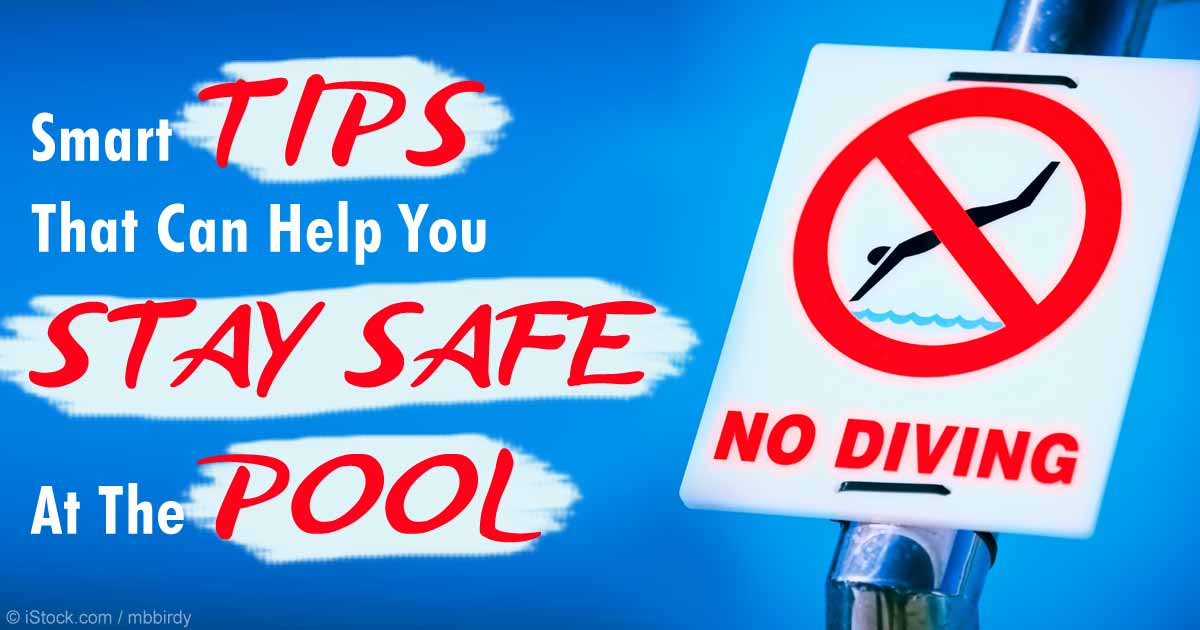
Swimming is a fun summer activity, but swimming can be dangerous. The risk of drowning is higher among young children and others who are unable to swim. Other dangers include diseases and toxins.
Consider These Swimming Related facts and Statistics:
1. In a survey conducted on behalf of the American Red Cross, 86% of respondents said they knew how to swim.
Find out what's happening in Ramseyfor free with the latest updates from Patch.
2. The Red Cross found that only 56% of Americans can perform basic core swimming skills necessary for “water competency.” This includes; jumping or stepping into water over your head, returning to the water’s surface to tread water or float for one minute, circling around and identifying an exit and swimming 25 yards to the exit and getting out of the water
3. This means that about 30% of the population believes that they can swim, but really don’t posses basic swimming skills.
Find out what's happening in Ramseyfor free with the latest updates from Patch.
4. About 10 people die on average every day in the US from drowning, making it the 5th leading cause of unintentional injury death in the United States.
5. The risk is the greatest among children aged 1 to 4. Drowning remains the 2nd leading cause of accidental death for children 1 to 14.
6. Formal swimming lessons have been shown to cut the risk of drowning among small children by up to 88%.
7. Knowing how to recognize if someone’s in trouble in the water is also important. If you have young children, experts recommend always staying within arm’s length of them while in a pool. This is because drowning can occur quickly and without warning, even when other people are close by.
8. Contrary to popular belief, a drowning person typically will not flail their arms and shout for help. This is because their body is working hard, struggling to breathe.
9. The instinctive response is for your arms to extend out laterally and press down against the water’s surface in an attempt to keep your head above water. Children may even appear to be doggy-paddling when in fact they’re drowning. The other telltale sign of a drowning person is no movement from their legs.
Signs That Someone Is Drowning:
If a person is shouting and waving for help, they may still be in distress and need assistance.
There are five signs that follow, reported in On Scene, the Journal of US Coast Guard Search and Rescue and these may occur when a person is only 20 to 60 seconds from disappearing below the surface:
1. Except in rare circumstances, drowning people are physiologically unable to call out for help. The respiratory system was designed for breathing. Speech is the secondary, or overlaid, function. Breathing must be fulfilled before speech occurs.
2. Drowning people’s mouths alternately sink below and reappear above the surface of the water. The mouths of drowning people are not above the surface of the water long enough for them to exhale, inhale, and call out for help. When drowning people’s mouths are above the surface, they exhale and inhale quickly as their mouths start to sink below the surface of the water.
3. Drowning people cannot wave for help. Nature instinctively forces them to extend their arms laterally and press down on the water’s surface. Pressing down on the surface of the water permits drowning people to leverage their bodies so they can lift their mouths out of the water to breathe.
4. Throughout the Instinctive Drowning Response, drowning people cannot voluntarily control their arm movements. Physiologically, drowning people who are struggling on the surface of the water cannot stop drowning and perform voluntary movements such as waving for help, moving toward a rescuer, or reaching out for a piece of rescue equipment.
5. From beginning to end of the Instinctive Drowning Response people’s bodies remain upright in the water, with no evidence of a supporting kick. Unless rescued by a trained lifeguard, these drowning people can only struggle on the surface of the water from 20 to 60 seconds before submersion occurs.
Water Safety Tips:
If you plan to spend time at the pool or beach this summer, keep the following tips in mind.
1. Learning to swim is one of the most effective ways to prevent drowning
2. Wear a life jacket (especially for young children)
3. Supervise children when in the water (including in the bathtub); supervisors should be in arm’s reach of preschool children at all times, and should not be involved in other distracting activities, such as reading or talking on the phone, when watching children in the water
4. Always swim with a buddy
5. Avoid alcohol when swimming or supervising other swimmers
6. If you have a swimming pool, install a fence completely around the pool and remove toys after use (they may encourage children to enter the pool area); also be aware that air-filled and foam toys are not designed to keep swimmers safe, nor are they an acceptable alternative to a life jacket
7. Enforce pool safety rules such as no diving, no running, and staying away from drains
8. If you’re supervising others swimming, be sure you know how to swim well
9. Learn CPR and first-aid
Pool-Related Disease Outbreaks on the Rise:
Aside from water safety, it’s important to be aware that pools and hot tubs can carry disease-causing pathogens that can potentially make you sick. According to a report from the US Centers for Disease Control and Prevention (CDC), such outbreaks have significantly increased in recent years, reaching 90 outbreaks between 2011 and 2012.
The outbreaks were associated with nearly 1,800 illnesses, 95 hospitalizations and one death. Most of the illnesses were caused by cryptosporidium (crypto), a parasite that’s transmitted via fecal matter and causes diarrhea. E. coli was also involved in about one-third of the outbreaks. Contrary to popular belief, all germs are not instantly killed off by the chlorine in the water and swallowing just a small amount of contaminated water can lead to illness.
The Dangers of Disinfection Byproducts:
Another important consideration: swimming pools typically contain disinfection byproducts (DBPs), which are formed when organic materials like hair, skin, sweat, dirt and urine react with the large amounts of chlorine used to sanitize the pool water.
DBPs are over 10,000 times more toxic than the chlorine itself and have been linked to DNA damage and cancer. In one study, more than 100 DBPs were identified in pool water. This can be a serious issue if you swim in chlorinated pools on a regular basis, as your body absorbs DBPs by swimming in a chlorinated pools.
DBPs are also the likely culprits for the increased incidence of sinusitis and sore throats among swimming instructors, as well as the negative impact of chlorinated pools on the respiratory health of children and adolescents. One study found that in children with allergic sensitivities, swimming in chlorinated pools significantly increased the likelihood of asthma and respiratory allergies.