Health & Fitness
Can Fasting Help You To Live Longer?
Fasting impacts longevity, cellular function and mitochondrial function.

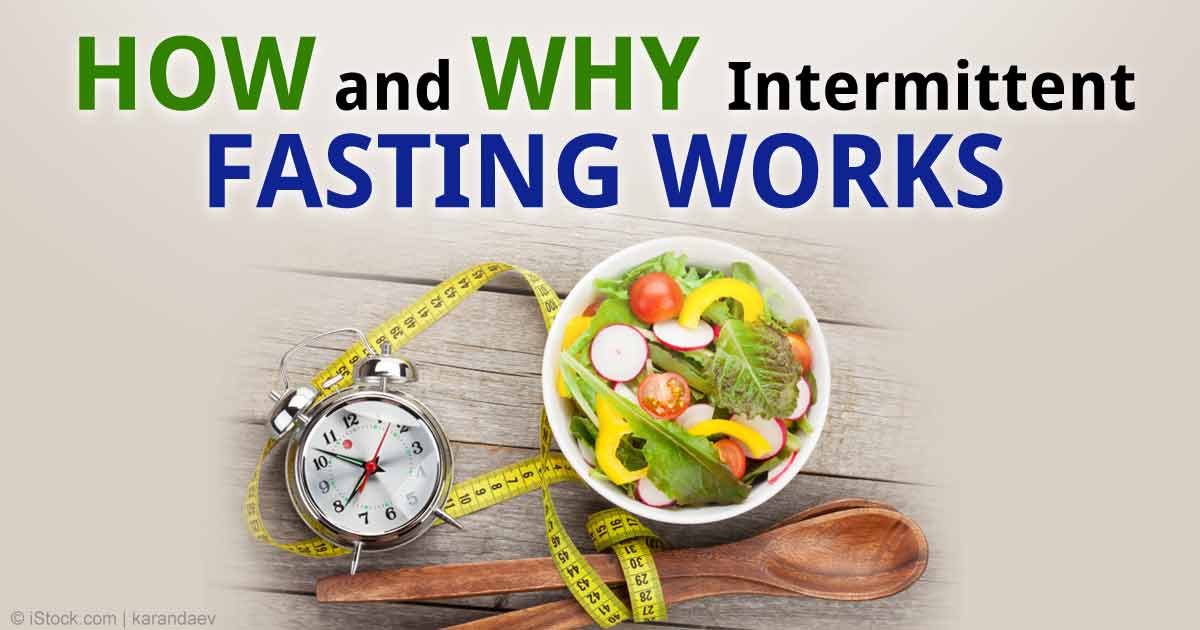
Intermittent fasting is how primitive humans consumed their nutrition. There were periods of feasting and periods of famine.
Would you be surprised to know that cells in your body react to fasting in much the same way as they do to exercise? In other words, when placed under stress, by either exercise or by fasting. the reaction creates changes at the cellular level that helps to extend your lifespan.
I think that most of us realize that the types of food and the quality of food that we eat, influences more than just how much we weigh.
Find out what's happening in Ramseyfor free with the latest updates from Patch.
Food impacts your metabolism, insulin production, leptin release and a number of other hormonal and chemical balances.
But it isn't just what you eat that has a great impact on your health, it is also when you eat.
Find out what's happening in Ramseyfor free with the latest updates from Patch.
Primitive humans burned fat as their primary fuel. Modern humans burn sugar (glucose) as their primary fuel. Fasting shifts your body from using glucose as its primary fuel, back to fat. Being an efficient fat-burner benefits your health way beyond weight loss.
Although much of the research is on fasting or intermittent fasting, the newer term is sometimes referred to as TRF (Time Restricted Feeding) which promotes eating in a narrow window of time, typically 6-8 hours a day.
Time restricted feeding means that you will probably eat only 2 meals a day rather than 3. You may have heard that you should eat a number of times a day, to keep your blood glucose stable. This may seem logical and eating only twice a day as counter-intuitive, but what appears to be logical is not always true.
Efficient Fat Burning Promotes Health:
Fat is a far cleaner burning fuel than carbohydrates and generates far less free radicals.
Glucose is an inherently "dirty" fuel as it generates far more reactive oxygen species (ROS) than burning fat does. But to burn fat, your cells must be healthy and normal. Cancer cells for example, cannot burn fat. This why a healthy high fat diet appears to be such an effective anti-cancer strategy.
We're now starting to realize that mitochondrial dysfunction is at the core of virtually all diseases. My last blog was on mitochondrial dysfunction .
What Happens When You Fast?
Fasting is a biological stressor with several amazing health benefits, including normalizing your insulin and leptin sensitivity, promoting human growth hormone (HGH) production, reducing oxidative stress and lowering triglyceride levels.
The general medical community still hasn't embraced this concept. It takes years, if not decades, for many scientific breakthroughs to trickle down to common knowledge.
Autophagy:
Another result of fasting is autophagy. When this vital process occurs in the mitochondria it is called mitophagy. This is when your body begins to metabolize itself for energy. This occurs in an orderly pattern, from the least essential parts to the most essential parts. The result is to remove "damaged" cells from your body.
Although it sounds like something you'd want to avoid, this particular process is healthy and helps your body to "clean house". It is the body's innate recycling program, getting rid of faulty cells, to make new cells. This process may also play a role in controlling the amount of inflammation in your body. This is just another example how the human body is truly an amazing piece of machinery.
Three Strategies That Promote Cellular Regeneration:
There are three ways to elevate your body's ability to destroy worn out cells and to regenerate new ones. The first is exercise, which puts stress on your body, tears down muscle and helps your body to rebuild new tissue.
The second is intermittent fasting. Some studies even suggest intermittent fasting can improve cognitive function, brain structure and help you to learn more easily.
The third way is a high fat diet consisting mainly of high quality healthy fats, with a moderate amount of high quality protein and minimal non- fiber carbohydrates. The idea is to reduce your carbohydrate intake to a level that your body has no other choice but to burn fat for fuel. Research demonstrates this diet will help your body fight cancer, lower your risk of diabetes and fight some brain disorders.
Fasting much longer than 18 hours may drive the body into burning lean muscle mass for fuel. This is why 16 hours of fasting a day might be ideal. It is right smack in that Goldilocks zone, not too much and not too little.
Warnings & Other Advice About Intermittent Fasting:
Intermittent fasting is healthy for most people. However, if you suffer from diabetes, hypoglycemia, chronic adrenal stress, or cortisol dysregulation, you must take specific precautions and work with your physician to ensure healthy balance of nutrition and fasting. Pregnant and nursing mothers should also not fast as their babies need the nutrition to grow and develop appropriately.
In my opinion, easing into intermittent fasting is the best way to go. You can try to start off eating a bigger breakfast and bigger dinner, while skipping lunch. You can then move your breakfast later on in the day, until you are eating your first meal at lunchtime. Another important factor is to try not to eat dinner later than 3 hours before you go to sleep at night.
Intermittent fasting may be challenging at first, but the rewards are significant. Make sure to drink plenty of water to stay hydrated during the day.
It is always a good idea to get support by starting a program with someone else, especially if you live in the same house or with a coworker.