Health & Fitness
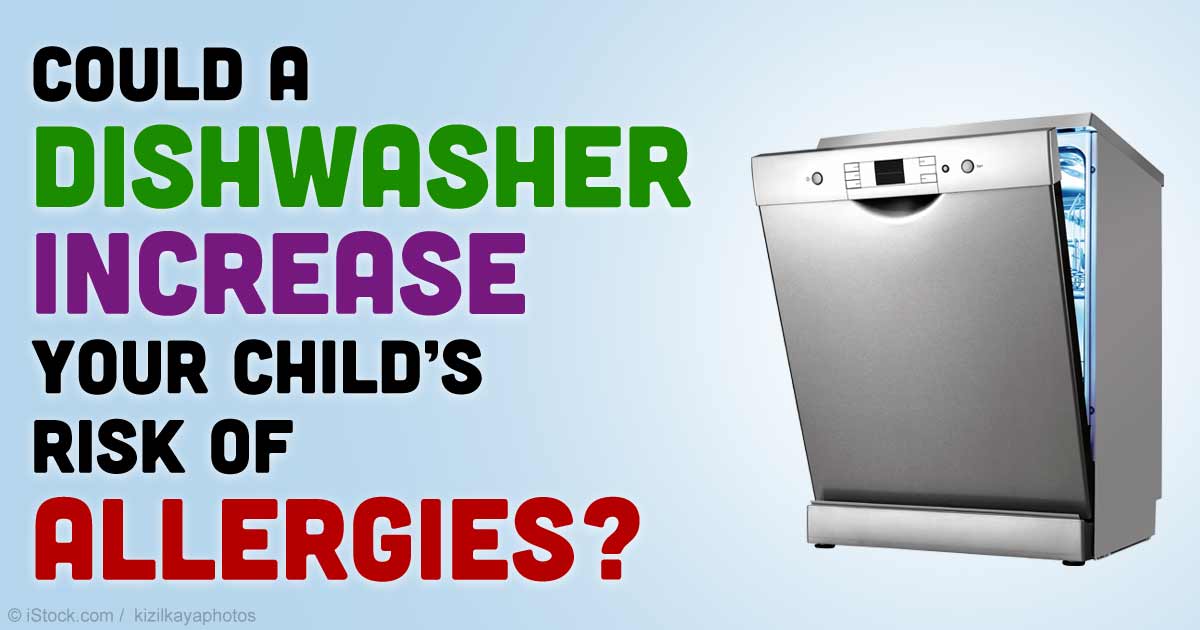
Could a Dishwasher increase Your Child's Risk of Allergies?
Growing up in an overly clean environment, complete with antibacterial soap and hand sanitizers, might backfire.

Your body is a complex ecosystem. Your immune system is made up of an army of more than 100 trillion microbes. We need about 85% of these microbes to be beneficial organisms in order to remain healthy.
Growing up in an overly clean environment, complete with antibacterial soap and hand sanitizers, might backfire because it keeps you from getting normal and healthy microbe exposure.
The hygiene hypothesis suggests that exposure to bacteria and other microbes early in life is beneficial, as it stimulates your immune system, which then develops tolerance and reduces your risk of allergies.
Find out what's happening in Ramseyfor free with the latest updates from Patch.
Researchers claim that the same can be said about food allergies, noting that eating small amounts of common food allergens early on in life, may “train” your child’s immune system to avoid allergy in the first place. Care must be taken when doing this, since if a child does have a severe allergic reaction to an allergen, this could be life threatening. This should not be done without consulting your child’s physician first.
Dishwasher Use Linked to Allergies:
Find out what's happening in Ramseyfor free with the latest updates from Patch.
Researchers from Sweden’s University of Gothenburg recently added another piece of research in favor of the hygiene hypothesis, concerning a device that’s found in about 75% of US homes, which is the dishwasher.
If you have a dishwasher in your home, you probably consider yourself lucky. But there may be reason to wash your dishes by hand instead. Because they use very hot water (water typically too hot for human touch), dishwashers kill far more germs, and leave your dishes cleaner, than ordinary hand washing.
But this purported benefit might also be their downfall. In a study of more than 1,000 Swedish children, those with increased microbial exposure were less likely to develop allergies… and this included potential exposure through hand-washed dishes.
In households where dishes were always washed by hand, rates of allergies in the children were half those from households that used dishwashers. The children using hand-washed dishes were less likely to develop eczema, asthma, and hay fever.
According to the researchers:
“We speculate that a less-efficient dishwashing method may induce tolerance via increased microbial exposure.”
You Need Dirt to ‘Exercise’ Your Immune System:
Your immune system is composed of two main groups that work together to protect you. One part of your immune system deploys specialized white blood cells called Th1 lymphocytes, which direct an assault on infected cells throughout your body.
The other major part of your immune system attacks intruders even earlier. It produces antibodies that try to block dangerous microbes from invading your body’s cells in the first place. This latter strategy uses a different variety of white blood cells, called Th2 lymphocytes.
The Th2 system also happens to drive allergic responses to foreign organisms. At birth, an infant’s immune system appears to rely primarily on the Th2 system, while waiting for the Th1 system to grow stronger.
But the hygiene hypothesis suggests that the Th1 system can grow stronger only if it gets “exercise,” either through fighting infections or through encounters with certain harmless microbes.
Without such stimulation, the Th2 system flourishes and the immune system tends to react with allergic responses more easily. In addition to allergies and asthma, eczema, autoimmune diseases, and even heart disease have been associated with the hygiene hypothesis.
Wash Your Dishes By Hand… and Other Tips for Allergy Reduction:
If the hygiene hypothesis is true, and there’s mounting research that it is, there may be good reason to wash your dishes by hand more often. Just recognize that most dishwashers need to be used at least once or twice a month to prevent parts from drying out and damaging the machine.
You can also avoid being “too clean,” and in turn help bolster your body’s natural immune responses, by:
1. Letting your child get dirty
2. Not using antibacterial soaps and other antibacterial household products, which wipe out the microorganisms that your body needs to be exposed to for developing and maintaining proper immune function. Simple soap and water are all you need when washing your hands. The antibacterial chemicals (typically triclosan) are quite toxic and have even been found to promote the growth of resistant bacteria.
3. Avoiding unnecessary antibiotics. Remember that viral infections are impervious to antibiotics, as antibiotics only work on bacterial infections.
4. Serving locally grown or organic meats that do not contain antibiotics.
5. Educating yourself on the differences between natural and artificial immunity.
6. Eating a wholesome diet based on unprocessed, ideally organic and/or locally grown foods, including fermented foods, along with optimizing your vitamin D levels and correcting your omega-3 to omega-6 ratio. This will form the foundation upon which your immune system can function in an optimal manner.