Health & Fitness
Cut Your Cancer Risk With Cauliflower
Cauliflower contains an impressive array of cancer-fighting nutrients.

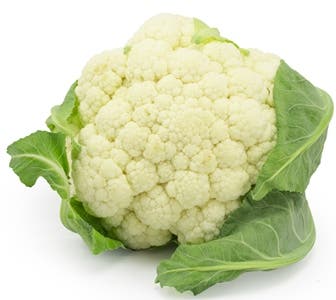
While brightly colored fruits and vegetables tend to get all the publicity for their antioxidant powers, this pale white veggie is actually packed many with strong phytonutrients that can protect against the cell damage caused by free radical stress. Free radical stress can lead to cancer.
In particular, the three phytonutrients are:
1. Indole-3-carbinol (I3C)
2. Diindolylmethane (DIM)
3. Sulforaphane
In laboratory experiments, both I3C and DIM have been shown to inhibit the occurrence, growth, and spread of estrogen-related cancers (breast, uterus, and cervix). I3C in particular, has been shown to boost beneficial hormones in the body, while depressing harmful ones that fuel prostate and breast cancers. Research has determined that sulforaphane reduces the ability of carcinogens to cause dangerous cell changes by deactivating carcinogenic enzymes, thus inhibiting tumor growth.
Find out what's happening in Ramseyfor free with the latest updates from Patch.
In addition to all of its cancer-fighting properties, cauliflower has the critical ability to reduce inflammation in the body, which is vital in preventing and reversing heart disease. Cauliflower curbs inflammation by curtailing the body’s output of inflammatory substances called prostaglandins. Cauliflower also contains omega-3 fats, which are able to penetrate layers of cholesterol-laden plaque, reducing blood vessel inflammation and preventing blood-clotting deposits from clogging arteries.
Get Creative With Cauliflower:
Find out what's happening in Ramseyfor free with the latest updates from Patch.
The inviting and satisfying crunch of raw cauliflower makes it an obvious choice to dunk into your favorite dip or add to a hearty salad. Cauliflower also makes a perfect side dish whether it’s simply steamed and sprinkled with a little extra virgin olive oil, pepper, and garlic, or you get more creative in your preparation, as in the following recipe. You can also toss cauliflower into the blender along with other fruits and vegetables.
Italian Cauliflower Recipe:
• 1 head cauliflower, cut into florettes
• 3 Tbsp. extra virgin olive oil
• ½ large onion, chopped finely
• 2 cloves garlic, minced
• 1 cup tomatoes, chopped
• ¼ cup white wine
• 1/3 cup green olives, chopped
• 2 Tbsp. capers
• ½ cup fresh parsley, chopped
In a large pan or pot, heat the olive oil over medium heat. Add the onion, and sauté until translucent. Add garlic and cook just until sizzling. Add the tomatoes, white wine and season with Celtic sea salt and freshly ground black pepper to taste. Add the cauliflower, and stir to mix. The liquid should just cover the cauliflower. If not, add a little water. Cook for 5 to 7 minutes until cauliflower is almost tender. Remove the cauliflower from the pot and place it on a warm serving dish. Turn the heat to high, and cook the tomato sauce mixture until thickened. Add the olives, parsley, and capers and cook another minute or two. Pour this mixture over the cauliflower, and mix, coating the cauliflower. Serve warm. Makes 4 servings. Nutrition Facts (per serving): Calories 141, Fat 12 g, Sodium 239 mg, Carbs 7 g, Fiber 2 g, Protein 2 g
You should try to eat at least one daily serving of cruciferous vegetables. Opt for organically grown cauliflower whenever possible. Broccoli is another cruciferous vegetable that packs a similar nutritious punch as cauliflower, but that is a story for tomorrow’s blog.