Health & Fitness
Don't Be Fooled By "Healthier" Junk Foods
Consumers are looking for natural snacks, with cleaner ingredients labels.

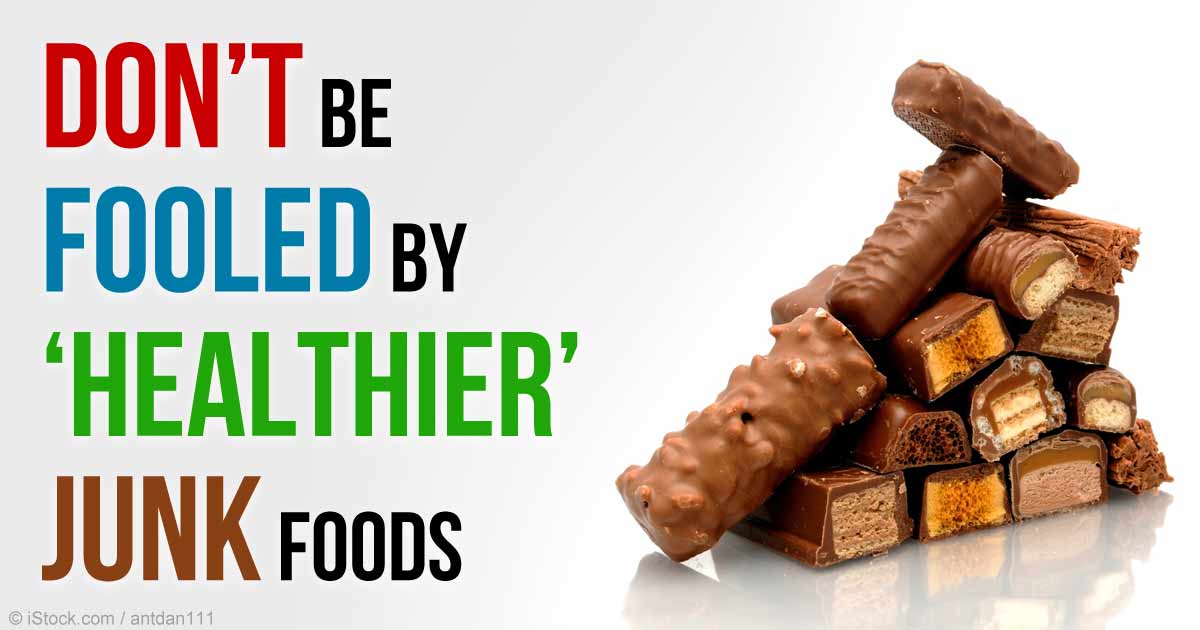
Globally, $374 billion is spent on snacks each year. Nielsen’s 2014 Global Survey of Snacking revealed that many people are seeking out snacks with all-natural ingredients. 45% said natural snacks are very important and 32% said they’re moderately important. Snack manufacturers are trying to capitalize on this trend and are attempting to position their products as sometimes being much more “natural” than they really are.
People are also looking for cleaner ingredients labels. 44% said they want snacks with no artificial colors, followed closely by no genetically modified organisms (GMOs) and artificial flavors.
Of course, the best snacks are whole foods, not those with ingredients labels at all. Major food companies are taking note of consumer demand, and at least one has plans to remove artificial ingredients.
Find out what's happening in Ramseyfor free with the latest updates from Patch.
Nestle Nixes Artificial Colors and Flavors in US Candy:
Nestle USA has announced they will be removing all artificial colors and flavors from confections sold in the US. This includes replacing ingredients like Red 40 and Yellow 5 in its Butterfinger candy bar and replacing artificial vanilla in Crunch bars with natural vanilla flavor.
As is often the case, artificial colors and flavors are already absent in Nestle’s UK products. They were removed in 2012 in response to UK consumer demand. Starting mid-2015, you’ll see Nestle candy labels in the US touting “no artificial flavors and colors.”
Find out what's happening in Ramseyfor free with the latest updates from Patch.
Don’t Be Fooled by ‘Healthier’ Junk Foods:
Getting rid of those ingredients is a step in the right direction, but a wolf in sheep’s clothing is still a wolf.
One regular size Butterfinger bar contains 29 grams of sugar, which is about a whole day’s allotment of sugar, according to The American Heart Association and the World Health Organization (WHO). They are recommending to limit your daily added sugar intake to nine teaspoons (38 grams) for men, and six teaspoons (25 grams) for women.
The limits for children range from three to six teaspoons (12 - 25 grams) per day, depending on age. In that case, one regular size bar puts you nearly at the limit.
General Mills Plans to Reduce Sugar in Yoplait by 25%:
Even foods that are typically considered “healthy” can contain shocking amounts of added sugar, and most commercial yogurt is a prime example. Fruit-flavored yogurt may contain upwards of 19 grams of sugar, 12 grams of which is added sugar.
If you’re eating yogurt to help optimize your gut flora, chances are you’re currently eating yogurt that has more similarities with candy than anything else. General Mills has been slowly trying to give its Yoplait brand yogurt a healthier image. In 2009, they stopped using milk from cows treated with rBGH growth hormones. Then they replaced high fructose corn syrup with sugar in 2013 and now they’ve announced that they’ll be cutting the sugar in Yoplait Original by 25% and adding more milk, which slightly increases the protein content. Even with a 25% sugar reduction, this yogurt can hardly be considered health food. As it stands, one six-ounce container may contain 26 grams of sugar. Even after it’s been reduced, it will still be close to 20 grams of sugar in one container.
The negative effects of the sugar far outweigh any marginal benefits of the minimal beneficial bacteria they have. Remember, the most important step in building healthy gut flora is avoiding sugar, as that will cause disease-causing microbes to crowd out your beneficial flora. When Yoplait yogurt was created in 1999, it contained 100% more sugar per serving than the company’s Lucky Charms cereal!
Is sugar more addictive than cocaine?
Research published in 2007 showed that 94% of rats who were allowed to choose between sugar and cocaine, chose sugar. Even rats who were addicted to cocaine quickly switched their preference to sugar, once it was offered as a choice. The rats were also more willing to work for sugar than for cocaine.
Processed foods contain carefully orchestrated flavors and other sensory factors designed to be as addictive as possible. The 3 main addictive ingredients in processed foods are fat, sugar and salt.
The Healthiest Snacks Are Real Foods:
In order to protect your health, eat more whole foods. Most Americans currently do the opposite and eat more processed foods.
Once you’re eating non-adulterated foods, which are foods in or close to their natural state, your body and mind will thank you.
Here are some examples of healthy snack options:
1. Organic pastured hard- or soft-boiled eggs
2. A serving of fermented vegetables
3. Avocado slices
4. Macadamia nuts
5. Pecans
6. A cup of homemade bone broth
7. Yogurt and kefir made from organic grass-fed milk
8. Vegetables, cooked or raw
9. Fruits in moderation
10. Cheese made from grass-fed milk
11. If it’s candy you’re after why not indulge in a type that’s actually good for you? High-quality dark chocolate, in moderation, is a perfectly healthy treat.