Health & Fitness
Don't Ruin the Health Benefits of Your Salads
Salads can be very healthy for you, but mistakes in preparation can turn an otherwise healthy meal into something less than ideal.

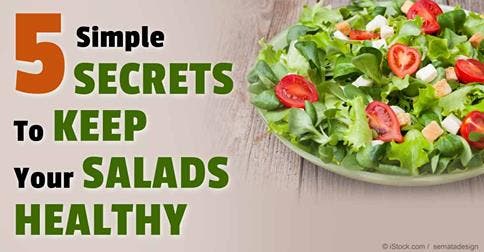
Salads can be very healthy for you. They are relatively quick and easy to make, but mistakes in preparation can turn an otherwise healthy meal into something less than ideal.
Whenever Possible, Opt for Organic Produce:
Fresh organic vegetables are generally healthier and tastier than conventional produce. In terms of nutrition, it’s important to remember that it’s not just about the nutrient levels themselves, which do tend to be higher in organically grown foods. It is also about what they don’t contain, namely pesticides.
Find out what's happening in Ramseyfor free with the latest updates from Patch.
Homegrown Sprouts Can Maximize the Nutrition of Your Salad:
Among the easiest foods to grow at home are sprouts and they’re also among the most nutritious. Sprouts are an excellent addition to a fresh salad. Some examples are sprouted beans, nuts, seeds, and grains. When you grow sprouts yourself, you know that they will be fresh!
Find out what's happening in Ramseyfor free with the latest updates from Patch.
Make Your Own Salad Dressing:
Perhaps the most common mistake people make with their salads is their choice of salad dressing. The vast majority of commercial salad dressings are far from healthy. They often contain high fructose corn syrup and highly processed omega-6 GMO oils, full of toxic herbicides like Roundup (glyphosate).
Low-fat dressings also need to be avoided. When fat is removed from a food product, it’s usually replaced by sugar/fructose in order to taste good. Many varieties of blue cheese dressing contain the thickener propylene glycol, which is a less toxic form of antifreeze than ethylene glycol.
A basic salad dressing with extra virgin olive oil and a good vinegar or lemon juice, along with some spices and/or herbs is recommended. There are many fantastic recipes online. Olive oil is a fat. Fats are essential to have in a salad to absorb higher levels of the phytonutrients that are in the salad ingredients. Other sources of good fats include raw nuts, eggs, olives, shredded coconut and avocados. Fats also help your body absorb important minerals and vitamins, including vitamins A, D, and E. If you don’t have enough fat with your meal, your body may not be able to properly absorb these great nutrients.
Add Protein:
Your body needs protein. It’s a main component of your body, including muscles, bones and many hormones. Most Americans tend to eat far too much low-quality protein for optimal health.
When it comes to protein from animal sources, you also want to make sure meat is grass fed and pasture raised. Buy organic to avoid exposure to pesticides, genetically modified organisms (GMOs), hormones, antibiotics and other potentially harmful drugs and chemicals. Fish should be wild caught and not farmed.
Three to four ounces of protein should be a good amount for most salads. Other good protein sources are also eggs, nuts, cheese and beans.
Add Herbs For Taste & Nutrition:
Adding fresh herbs to your salad can also go a long way toward improving your nutrition, as many are densely packed with vitamins and various phytonutrients. Herbs are also easy to grow at home and many have medicinal properties in additional to their nutritional value. So why not experiment, with some parsley, cilantro, oregano, thyme, basil, rosemary or dill on your salads?
If you are nutrition savvy, you may have a difficult time deciding on what to eat for a nutritious lunch. There is an easy solution to that dilemma. You can make various salads at home and enjoy them for a great, nutritious and convenient lunch. They will usually cost you less, be better for you and you know what you are eating. Another benefit is that they shouldn’t cause the mid afternoon lethargy that sometimes follows a lunch high is processed carbs and bad fats!