Health & Fitness
Is Earwax Your Friend or Foe?
Nothing happens in the human body by accident and earwax is no exception.

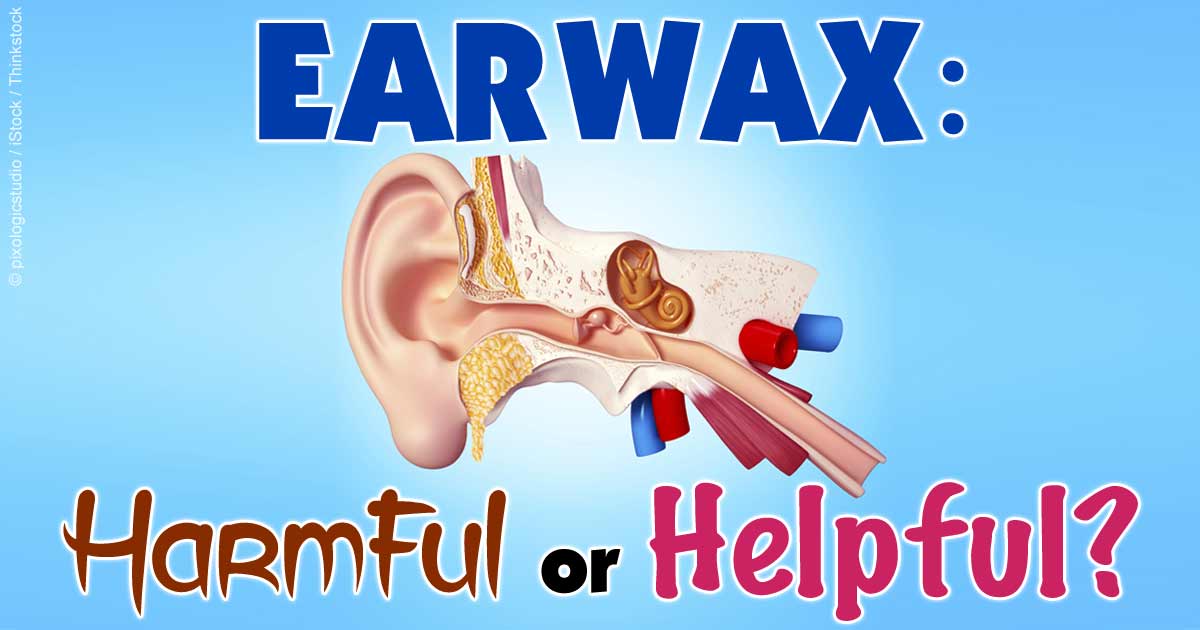
Earwax represents one of your body’s ingenious protective mechanisms and is simply not just a hygienic nuisance.
The first thing to realize is that earwax isn’t actually a “wax” at all. Earwax actually is a mixture of water-soluble secretions. Earwax is known technically as cerumen. Earwax is produced by glands in your ear canal and composed mostly of dead skin cells, an antibacterial enzyme called lysozyme, fatty acids, alcohols, cholesterol and squalene, which is an omega 2 oil.
Why Your Ears Need Earwax:
Find out what's happening in Ramseyfor free with the latest updates from Patch.
Your ears produce earwax constantly. Ideally, you’ll maintain just the right amount in your ear canals. Unless you have an earwax blockage, it may be wise to simply leave your earwax alone and not to try to remove it with cotton swabs, or other devices.
If you have too little earwax in your ear canal, your ears may feel dry and itchy. This is because earwax is there to protect your ears and provide lubrication.
Find out what's happening in Ramseyfor free with the latest updates from Patch.
It does this by:
1. Preventing dirt, dust and bacteria from entering and damaging your ears
2. Trapping dirt and slowing the growth of bacteria
3. Protecting the skin of your ear canal from becoming irritated by water
Your Ears Are Self-Cleaning:
Your ear canals are self-cleaning and earwax is the self-cleaning agent. According to the American Academy of Otolaryngology – Head and Neck Surgery Foundation (AAO-HNSF), under ideal circumstances your ear canals should never have to be cleaned.
Excess earwax should move out of your ear canal automatically, as cells there actually migrate naturally. The removal of earwax is also helped along by the talking and chewing movements of your jaw. Once the earwax reaches your outer ear it will simply fall out or be removed when you shower or bathe.
Your Genes Determine Whether Your Earwax Is Wet or Dry:
A single gene has been identified as the determining factor in which type of earwax you have. Dry earwax is crumbly and is grey or tan. Dry earwax is common in East Asian populations. The same gene variant that leads to dry earwax is also responsible for reduced underarm body odor. Wet earwax is sticky and yellow or brown in color. Wet earwax is found more in African and European populations.
Earwax Blockages: When to Remove Earwax:
Earwax impactions may require medical attention. Typically, this required flushing the ear with a syringe or using a dental irrigator to soften the cerumen so it could come out.
You May Be Deficient in Omega-3 if You Have Frequent Earwax Buildup:
Frequent excess buildup of earwax can be related to an omega-3 deficiency. In those cases, the remedy is to take a high-quality omega-3 supplement.