Health & Fitness
Foods That Naturally Lower Blood Pressure
In order to lower blood pressure naturally, which foods should you eat and which foods should you avoid?

In order to lower blood pressure naturally, which foods should you eat and which foods should you avoid?
If you have high blood pressure, your diet is one of the primary ways by which you can lower your blood pressure. Combined with appropriate lifestyle changes, your diet can not only reduce your blood pressure, but also significantly improve your overall health.
Here are some recommendations to help you get started.
Find out what's happening in Ramseyfor free with the latest updates from Patch.
Foods that can help lower blood pressure:
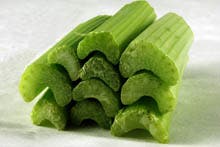
Celery - Doctors at the University of Chicago studied celery as a food to lower blood pressure. They discovered that celery contains the chemical 3-n-butyl phthalide. This smoothes the muscles lining blood vessels, which increases the vessel diameter and allows for easier blood flow at lower pressures. About four ounces of celery a day, may give you results after only a week or two.
Find out what's happening in Ramseyfor free with the latest updates from Patch.
Fish or Fish Oil - The Omega-3 fatty acids found in fish and fish oil lowers blood cholesterol, protects arteries and can even lower blood pressure levels as much as 10 points. It has also been discovered that the protein in fish may help protect against stroke!
To get the benefit of omega-3 fatty acids, try eating a six-ounce portion of oily fish several days a week.
Pomegranate Juice - For thousands of years, the pomegranate has been revered as the “fruit of life.” One of its remarkable powers is to improve cardiovascular health. In one study, the systolic pressures of those drinking pomegranate juice dropped from an average of 174 to an average of 162 mm Hg in just one month. After 12 months, it had fallen even further, to an average of 152 mm Hg. If you drink pomegranate juice to naturally lower your blood pressure, be sure your juice has no added sugars.
Hibiscus Tea - Hibiscus tea has been a traditional remedy for high blood pressure in Iran and other countries around the world. In one study, drinking hibiscus tea for just 12 days reduced systolic pressure by an average 11.7% and diastolic pressure by 10.7%. However, this remedy is one that must be used continuously to maintain its positive results. When participants in the same study stopped drinking the tea for just three days, their blood pressure began to creep upward, systolic pressure by 7.9% and diastolic pressure by 5.6%. Look specifically for tea made from Hibiscus sabdariffa. It is generally made from the flowers and fruit of the plant.
Beets - Because they are a good source of nitrate, beets and beet juice are excellent foods to lower blood pressure. Nitrate is converted by your body into the gas nitric oxide (NO2), which relaxes the small, smooth muscles in the walls of blood vessels, causing them to dilate. NO2 also has antiplatelet effects, which lessen the clotting tendency of blood. Both of these effects allow for an immediate increase in blood flow. The nitrates in beets are not destroyed during cooking, which makes cooked beets just as beneficial. Other vegetables are also high in nitrates. These include radishes, kale, celery, lettuce, mustard greens, turnip tops, spinach, Chinese cabbage, regular cabbage, eggplant, leeks, scallions, potatoes, string beans and carrots.
Fiber - In a study where patients took a fiber tablet called Fiber Trim Plus, their blood pressure went down. Systolic pressure dropped 10 points, and diastolic pressure dropped 5 points. Any type of fiber should get similar results.
Guava - Researchers in Moradaban, India found that guava fruit has positive effects on high blood pressure. Their controlled study involved 120 patients with high blood pressure. Sixty-one of the patients ate one guava fruit (3½ ounces) each day before a meal. The other 59 made no changes in their diet. After 12 weeks, the patients eating the guava fruit had an average reduction in their systolic blood pressure of nine points and their diastolic pressure dropped eight points.
Foods that can raise blood pressure:
Sugar - A high sugar consumption is an often overlooked cause of high blood pressure. Studies have shown that sugar increases blood pressure, as well as heart and artery disease. Insulin, which is needed to regulate blood sugar, causes salt retention and is thought to contribute to cholesterol and fats attaching to arterial walls. Excess sugar is quickly converted to blood fats, like triglycerides.
Alcohol - Moderate amounts of alcohol consumption can actually lower blood pressure. However, drinking more than that often leads to hypertension. If you have more than three drinks a day, you can naturally lower blood pressure 10 to 15 points by cutting back, or eliminating alcohol.
Fats -By reducing or eliminating trans fats and oxidized fats, you can reduce your blood pressure as well as reduce your risk of a heart attack and other cardiovascular diseases. Some examples of these fats are fried foods and processed foods. Healthy fats on the other hand, are very essential and good for you. Some examples of healthy fats are coconut oil, grass fed beef, avocados and wild caught salmon.
If you start eating these blood pressure lowering foods and avoid the blood pressure raising foods, you may very well lower your blood pressure naturally. If you are on blood pressure medication, work with your doctor to monitor your pressure closely and when appropriate, your doctor may adjust, or possibly even eliminate your medication.