
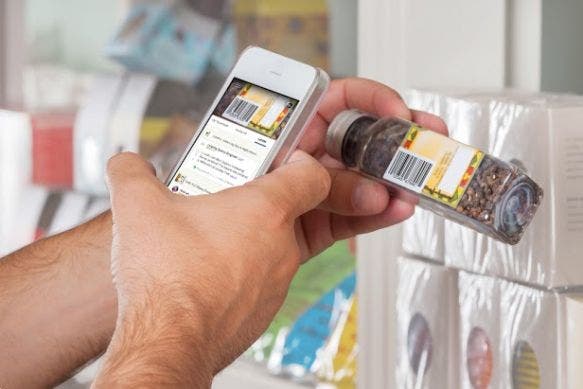
OpenLabel launched a new app this week, offering a Wikipedia-style assortment of information that a consumer may want to know about products that they may want to purchase at the supermarket. This information includes the company’s labor practices, their commitment to sustainability and how healthy their product is. Just scan the bar code with your phone and the app pulls up all of the available data.
Research from about two dozen organizations is updated in real time and users get to write snippets, called “labels,” about what they think. It’s like Yelp, but for products.
We found that people wanted to reach out,” said OpenLabel CEO Scott Kennedy. “We launched an extended private beta where we allowed everyone to start contributing. Now we’ve got about a hundred thousand labels on there.”
Find out what's happening in Ramseyfor free with the latest updates from Patch.
OpenLabel users even do Yelpers one better: They add links to relevant articles or research, or add suggestions. For example, to avoid the disposable coffee pods infamous for being an environmental nightmare.
The app makers don’t fact-check user contributions or create content. According to Kennedy, that’s what differentiates OpenLabel from GoodGuide, a similar app that’s been around for a while.
“GoodGuide is a fantastic app…but they take it upon themselves to rate all of their products,” he said. “ When you scan a shampoo, you’re actually hearing GoodGuide’s evaluation of its sustainability. It’s just one viewpoint and they can’t really scale that. There’s half a trillion products in the world, and they’re always changing.
Find out what's happening in Ramseyfor free with the latest updates from Patch.
OpenLabel tries to put the most pertinent and newest information in users’ hands.
The app’s database is still growing, and not all products are going to show up. OpenLabel isn’t making any profits yet either. The company hopes to monetize the information it’s collecting by anonymizing contributions and sending them to brands.
“It’s going to be transparent,” said Kennedy. “We’re going to aggregate the data coming in and what people like, what they don’t, and what issues are important to them…. Brands actually want to hear that, and people want their voice to count.”
Kennedy isn’t letting companies game the system, he said. The app isn’t their platform.
“Companies want to put messages into the fray,” he said. “That makes sense way down the road after OpenLabel is established, and it will be clearly marked.”
“This is about giving nonprofits and socially conscious consumers a central place where they can recommend or avoid certain products,” he said. “And keep one another informed.”