Health & Fitness
The Health Hazards of Toxic Mold
"Probably every doctor in the United States is treating mold illness, they just don't realize it."

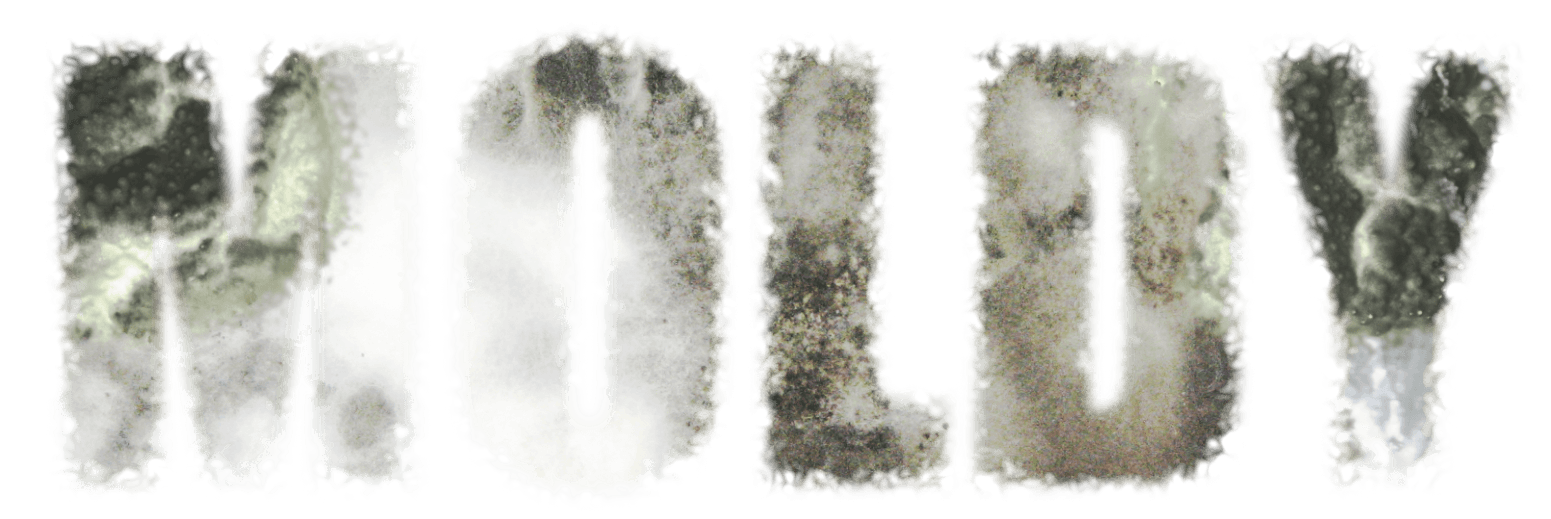
Moldy is a documentary that explores the nature of mold toxicity, why mold toxicity is so dangerous and what it takes to recover your health.
Genetic predisposition to toxic mold sensitivity is a huge problem. About 25% of Americans are genetically predisposed to experiencing severe illness from toxic mold exposure.
Just as there are now super-strains of bacteria, such as MRSA, that have evolved as a result of the overuse of antibiotics, there are super-molds that have evolved since the 1970s. Industry has inadvertently created these super-molds, through the widespread use of synthetic chemical fungicides, such as Benomyl. In the agriculture industry, Benomyl killed nearly all of the fungi on crops such as strawberries and wheat, but the few surviving fungi happened to be highly toxic molds, which are now flourishing in our environment. In the 1970s, Benomyl was also added to paints to stop the growth of mold on damp walls, especially in public buildings such as offices and schools.
Find out what's happening in Ramseyfor free with the latest updates from Patch.
Mold illness may be the most prominent health problem physicians are missing today. It is a “hidden” pandemic.
Millions are suffering from mysterious illnesses for which they have received essentially no help from physicians. Some are referred to psychologists after being told their illness is “imagined,” while others are accused of fabrication.
Find out what's happening in Ramseyfor free with the latest updates from Patch.
The manifestations of mold toxicity are so varied and their effects are so broad. This combined with the lack of proper standard diagnostic procedures, makes it difficult for physicians to arrive at the correct diagnosis.
Unable to identify the cause of their illness, sick people become sicker over time. Marriages are devastated, livelihoods are lost and some have reached such levels of despair that they end up committing suicide.
The featured documentary, Moldy, explores the subject of mold toxicity through the stories of people who’ve battled this illness and won, as well as interviews with a number of top experts in the field.
Modern Industry Has Created Dangerous Super-Molds:
Mold spores are present in the air. Under optimal conditions, these naturally occurring and very resilient spores can take root in your home or workplace, or in your food. Molds make toxins called mycotoxins that can change how you feel, how you think and even how long you will live.
In the US, about 45 million people live and work in moldy buildings and approximately half of all US buildings have water damage, which greatly increases the likelihood of hidden toxic mold.
NOT Wanted, Dead or Alive:
Dead mold can be just as dangerous as live mold. When mold dies, the cells’ walls desiccate and break apart into little fragments. The fragments carry the toxins and when inhaled, they’re absorbed into your body.
Many mistakenly believe that simply moving out of a contaminated building will solve the problem, but the toxins adhere to your belongings. If you move with everything you have, you can take the problem with you.
The toxins make their way into everything, including books, clothing, bedding, furniture and personal belongings.
If you have a mold-related illness, the optimal action is, unfortunately, to dispose of everything you own. Some experts say to leave and take nothing with you but your driver’s license.
Mold Is Toxic to Every Organ in Your Body:
Mold affects everyone, regardless of age, ethnicity, or overall health and fitness level. Surprisingly, you are as much at risk for mold in dry climates as wet climates. The mold growing in desert regions can be even more tenacious, since it’s had to adapt to the drier air.
People have experienced fatigue, migraines, muscle cramps, numbness and tingling, cardiac arrhythmias and insomnia. The list of symptoms is almost endless because the toxins can settle into so many parts of your body.
Weight gain is also very common. A few experience “unexplained” weight loss, but most have rapid unexplained weight gain that doesn’t stop until they receive proper treatment.
There are numerous mental and neurological effects associated with mold toxicity, including brain fog, cognitive dysfunction and mood disturbances. It is not uncommon for people to have short-term and long-term memory loss, confusion, depression and panic attacks. Children can experience drops in IQ.
Brain imaging reveals that mycotoxins can actually damage your brain, in particular, your amygdala. This can result in experiencing mood swings or rage for no apparent reason. Those with mold toxicity often describe their emotions as “out of control.”
The good news is, once you realize you’ve been poisoned by toxic mold, with proper support your brain and body can recover. But in order to do so, it’s important to find a “mold literate” physician to guide you in every aspect of your care. Recovering from mold-induced illness requires an integrative approach under the guidance of a knowledgeable healthcare practitioner. Most primary care practitioners aren’t trained to treat mold poisoning and don’t even take a mold history. Unexplained symptoms are usually dismissed or attributed to other problems, such as psychological issues.
Those who DO believe in mold toxicity typically limit their approach to the prescribing of steroids and dangerous antifungal medications, many of which are toxic to your liver. Recovering from mold toxicity requires removing the source or sources of exposure, then starving the fungi out of your body with an antifungal diet and avoiding foods that may be contaminated with mold. Make sure your vitamin D levels.
There is more information, including mold remediation tips in the link below.