Health & Fitness
Healthy Fats Are Part of a Heart-Healthy Diet
Healthy fats should not be avoided, since they are essential to good health.

For optimal heart health, renowned cardiologist Dr. Stephen Sinatra emphasizes a generous quantity of high-quality fats, as much as 30% of daily calories. He says that diet regimen is a key to help lowering your risk of heart disease.
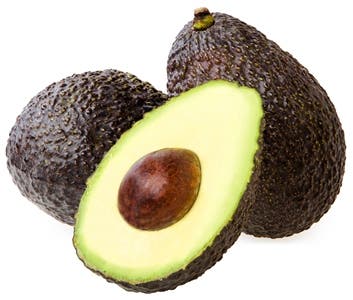
The heart healthy fats that he cites include olives and olive oil, fatty fish; nuts and nut butters; flaxseed; soy and avocados. I agree with everything but soy. The only soy that I recommend is organic nattokinase, which is fermented and full of healthy probiotics. Most soy is GMO and soy is an estrogen mimicker.
Dr. Sinatra says that it is helpful to know a little more about the four basic types of fats; saturated, monounsaturated, polyunsaturated, omega-6 and omega-3 fats.
Find out what's happening in Ramseyfor free with the latest updates from Patch.
• Saturated fats are solid at room temperature. Meat, for example, contains saturated fat. Consuming a lot of saturated fats can increase blood levels of cholesterol. Dr. Sinatra believes that chronic inflammation, not high cholesterol, is the root cause of heart disease, Dr. Sinatra still doesn’t recommend a high animal saturated-fat intake, because these fats don’t do much good for the body and they contain a high amount of environmental toxins. Organic, grass fed beef is much safer.
• Monounsaturated fats are liquid at room temperature, but solid in the refrigerator. Found in olive oil, avocados and many nuts, monounsaturated fats support healthy cholesterol and triglyceride levels and they are thought to help stabilize blood sugar levels. They also help preserve your pancreas because they don’t provoke an excessive insulin response.
Find out what's happening in Ramseyfor free with the latest updates from Patch.
• Polyunsaturated fats, which occur naturally in plants and seafood, are liquid at both room temperature and when refrigerated. Examples are safflower, sunflower, corn, soy, canola, sesame, flax and fish oils. Polyunsaturated fats can be divided into two main camps: omega-3 and omega-6 fatty acids. These are known as essential fatty acids (EFAs) because they are essential for life. Beware that canola, corn, cottonseed and soy oils are almost always GMO. I recommend any cooking or occasional frying (which you may want to avoid altogether) to be done with organic, extra virgin coconut oil and use organic, extra virgin olive oil on salads.
• Omega-6 fats vs. Omega-3 fats. The omega-6 building block, linoleic acid, is relatively easy to obtain, because it occurs naturally in almost all nuts and seeds and is abundant in vegetable oils, including canola, safflower, sunflower, corn and soy. Omega-3s, on the other hand, are more challenging to get from food because there are few original sources. Some of the richest are fish, flaxseed and pumpkin seed oils, with dark leafy green vegetables being another good source. Ideally, we should all strive for a 2:1 to 4:1 ratio of omega-6 to omega-3 fats in our diets. In fact, some researchers now believe that the average American diet puts our current omega-6 to omega-3 ratio in the alarming 20:1 range. Eating such a skewed diet over the long haul is a sure way to create internal inflammation, the key cause of heart disease.
How Much Should I Eat on my Heart-Healthy Diet Plan?
To keep your heart healthy, Dr. Sinatra recommends as part of a heart-healthy diet that you aim for three to five servings of healthy fats and oils daily and minimize omega-6 oils as much as possible.
One serving of fat or oil is equal to:
• 1 tablespoon extra virgin olive oil,
• 1 tablespoon ground flaxseed or chia seed,
• 2 ½ ounces avocado,
• 1 ½ tablespoons almond (no sugar added), tahini or other nut butter,
• Or 2 ounces walnuts, almonds or macadamia nuts.
Note: Serving guidelines are based on a 1,800 to 2,000 calories-per-day eating plan. If your goal is weight reduction, consume smaller portions in order to lower your caloric intake.