Health & Fitness
How to Naturally Boost Testosterone Levels
Do you think you may have low testosterone?

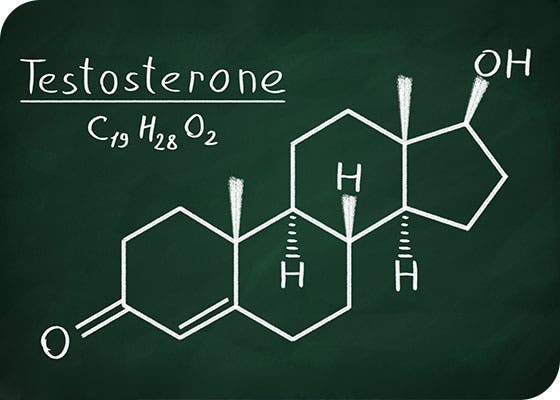
Testosterone is a steroid hormone produced in the testes. Testosterone supports strong bones, muscle mass, mood, cardiovascular health and overall well-being.
Testosterone also affects libido and sexual performance. When you think of low testosterone, the first thing that you may think of is a reduced sex drive, but low testosterone levels can also contribute to cardiovascular problems, including coronary artery disease, strokes and heart failure.
Testosterone production normally increases during puberty and peaks at age 30. But testosterone levels typically decline at a rate of 1-2% per year after age 30. Left unchecked, at age 80 testosterone production can be half of what it was at age 30. But men of any age can develop low testosterone, especially those with diabetes or who are obese.
Find out what's happening in Ramseyfor free with the latest updates from Patch.
Low testosterone can be treated with medically, with potential side effects, including, but not limited to an increased probability of blood clots, heart attacks stokes, acne, liver problems, prostate cancer and death.
Why Is Testosterone Essential for Heart Health?
Find out what's happening in Ramseyfor free with the latest updates from Patch.
Your heart and blood vessels contain numerous testosterone receptor sites. Low testosterone levels are associated with numerous conditions, from obesity, to metabolic syndrome, type II diabetes and inflammation, all of which affect the health of your heart.
The bottom line is that healthy testosterone levels may help prevent the incidence of heart disease by protecting the heart and cardiovascular system, but testosterone injections may increase the incidence heart disease. The good news is that if your levels are low, you can naturally boost testosterone.
What Are the Symptoms of Low Testosterone?
Low testosterone levels are linked with a variety of symptoms, including low libido and sexual function, loss of muscle strength, loss of body hair and a cognitive decline, along with depression and fatigue.
If you think that you have low testosterone, there are blood tests that your doctor can order to check your testosterone and other related sex hormones.
How to Increase your Testosterone Levels Naturally From Dr. Sinatra:
Eating a whole foods diet, exercising to increase muscle mass and decrease fat mass, working on stress reduction practices, and taking targeted nutritional supplementation can all help to increase your body’s testosterone production—and protect your health and vitality.
1. Do “testosterone boosting exercises” - Exercising at the gym with fewer reps and heavier weights, engaging large muscle groups via squats or bench press, and practicing high intensity exercises like quick sprints with a moderate rest period in between are all helpful for building endogenous testosterone and human growth hormone.
2. Lose weight - Several studies show that men with low testosterone have an increased percentage of body fat. If weight gain is an issue, decrease your intake of sugar and simple carbohydrates. Plus, consult with a nutritionist and exercise trainer to come up with a weight loss program.
3. Reduce stress - High levels of the “stress” hormone cortisol are associated with low testosterone in athletes during training. Chronically elevated cortisol levels may negatively affect testosterone levels, so take time to meditate, laugh, practice qi gong or tai chi, or engage in other activities to reduce stress in your life.
4. Eat healthy fats - Your body needs good fats, particularly monounsaturated fats, to increase testosterone production. Eat avocados, coconut oil, salmon, or grass fed beef.
5. Avoid xenoestrogens - Xenoestrogens (plastics, pesticides on foods, BPA, etc.) are chemical compounds that can mimic estrogen and bind to estrogen receptors in the body. Too much estrogen in men is not a good thing.
6. Decrease your alcohol intake - High amounts of alcohol have been shown to alter testosterone production in several ways, including causing hormonal dysfunction, oxidation, and possible cell damage.
You can also talk to your doctor about these supplements that may help to increase your testosterone levels naturally, and help with related symptoms. These include: zinc (30 mg daily), ashwagandha (500-800 mg daily), tribulus (500 mg daily), sodium D aspartate (2000 mg daily), and curcumin (500 mg daily).