Health & Fitness
Hyaluronic Acid for Healthy Joints, Skin & More
Getting older doesn't mean that you have to feel older or look older. One of the keys to this strategy may very well be hyaluronic acid.

Getting older doesn’t mean that you have to feel older or look older. One of the keys to this strategy may very well be hyaluronic acid, which is a supplement that you may very well never have heard of.
Joint pain and stiffness as well as sagging and wrinkled skin are common complaints of aging. Hyaluronic acid is a natural compound that could provide substantial benefits for all of these complaints.
What Is Hyaluronic Acid?
Find out what's happening in Ramseyfor free with the latest updates from Patch.
Hyaluronic acid is a glycosaminoglycan, which is a very long chain of disaccharides (sugars) present in all connective tissues that is responsible for retaining moisture. As we age, our levels of hyaluronic acid fall by as much as 50%. Unfavorable genetics, smoking, a magnesium deficiency or a zinc deficiency appear to all accelerate this loss of moisture. The results of this moisture loss can include aching joints and sagging skin.
The Benefits of Hyaluronic Acid:
Find out what's happening in Ramseyfor free with the latest updates from Patch.
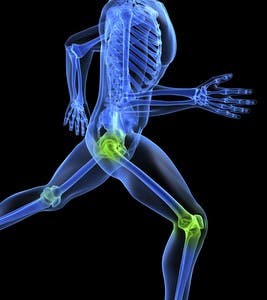
One of the most researched benefits of hyaluronic acid is its ability to alleviate aching joints. Its effectiveness in this area isn’t surprising since hyaluronic acid is especially concentrated in the knees, hips and other moving joints. It is a major component of both cartilage and the synovial fluid that bathes these joints. Hyaluronic acid binds to water to create a thick, gelatinous substance that lubricates and protects the cartilage.
Together, synovial fluid and cartilage act as shock absorbers that can withstand a tremendous amount of wear and tear. In joints that are afflicted by arthritis, hyaluronic acid levels are extremely low, causing the synovial fluid to become less viscous and the cartilage less cushiony.
For years, orthopedists have injected hyaluronic acid directly into the synovial spaces of arthritic joints for relief of pain and inflammation. This “lube job” can be a helpful treatment, but regardless of its effectiveness, many people shy away from injections.
Hyaluronic Acid Supplements:
Fortunately, research suggests that when hyaluronic acid is taken orally, it increases the body’s natural production of this protective substance, making it an excellent, noninvasive therapy for arthritis. In an in-house, placebo-controlled study of patients with osteoarthritis of the knee, those taking 80 mg of hyaluronic acid daily for two months had a 33% average improvement in pain scores compared to a 6% improvement in the placebo group.
In another study, participants with osteoarthritis of the knee who took 200 mg of hyaluronic acid daily for a year and participated in a muscle strengthening exercise program reported significant improvements in pain, stiffness and activities of daily living compared to the placebo group, who also performed the same exercises.
Hyaluronic Acid Benefits: Save Your Skin:
In addition to playing a vital role in joint health, another one of the benefits of hyaluronic acid is its effectiveness at maintaining healthy, youthful looking skin. The reason is because hyaluronic acid is an essential component of the skin. Hyaluronic acid promotes collagen production and retains hundreds of times its weight in water. Hyaluronic acid keeps the skin plumped up and hydrated, but not puffy.
Estrogen is another molecular that signals hyaluronic acid production, which explains why young women have healthy skin and why sagging and wrinkling come on somewhat abruptly after menopause.
Plastic surgeons know about hyaluronic acid and the skin. They offer injections of hyaluronic acid in the form of Restylane for a variety of cosmetic procedures, from lip and cheek enhancements to wrinkle reduction. Hyaluronic acid is also a popular ingredient in a number of moisturizers and other topical skin treatments and shows promise in wound healing and burn treatment, reducing scarring and increasing the rate of skin healing.
Recommendations for Oral Hyaluronic Acid:
The suggested oral dose of hyaluronic acid is 100–200 mg per day. Be patient; it may take a number of weeks to notice any changes.