Health & Fitness
An Outdated Toxic Chemical Law
There is an outdated federal law, which is known as the Toxic Substances Control Act, which hasn't been updated since 1976!

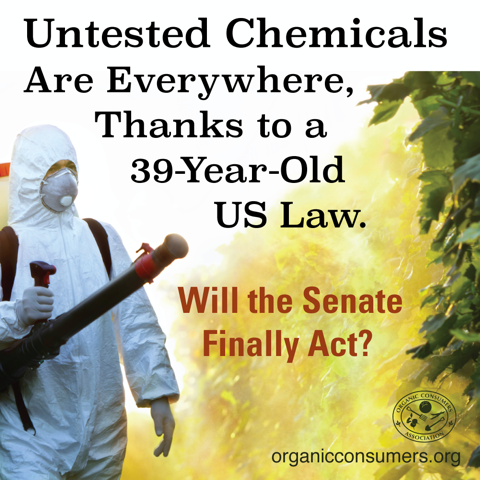
There is an outdated federal law, which is known as the Toxic Substances Control Act, or TSCA, which regulates chemicals that Americans encounter daily in electronics, furniture, clothing, toys, building materials, cleaning and personal care products, and much more.
TSCA was enacted in 1976, and in spite of the introduction of thousands of new chemicals, as well as enormous progress in the understanding of chemicals’ environmental and health impacts, TSCA hasn’t been updated since then.
While the law has helped reduce use of some of the most hazardous chemicals, such as polychlorinated biphenyls and lead, it also has made it extremely difficult to take many other potentially dangerous chemicals off the market.
Find out what's happening in Ramseyfor free with the latest updates from Patch.
Unlike the current system in Europe, the 60,000-plus chemicals in production when the US’s TSCA took effect 39 years ago continued to be used without any safety reviews. Most are still in use today, although some have since filed toxicity data.
The US allows the use of many of these chemicals that are banned in other countries. There are about 2,000 new chemicals introduced each year.
Find out what's happening in Ramseyfor free with the latest updates from Patch.
The vast majority of the 80,000 chemicals that TSCA regulates have not been thoroughly tested for health and environmental hazards. Only 25% of the chemicals in consumer products have been fully screened for health effects, according to the US Environmental Protection Agency, which administers the law.
“This is a problem,” says Environmental Defense Fund senior scientist Richard Denison.
Lawmakers on both sides of the aisle, as well as chemical industry representatives and environmental advocates, agree that the law needs revision. What it should become, however, is the subject of considerable debate.
That debate has been in full swing for several years as the Senate has considered several versions of a bill to reform TSCA, none of which have passed. Major sticking points include how the bill will treat stricter state chemical laws, how chemicals will be reviewed for safety and, as Senator Barbara Boxer of California has said, how well the bill will protect public health.
The state law provision is an important issue for environmental health advocates, as many US states. In the absence of federal action, many states have passed stricter laws of their own, restricting the use of some flame retardants or endocrine-disrupting chemicals, for example.
More than 150 state laws in 35 different states now restrict or regulate chemical use, according to health and environment organization SaferStates, with at least 28 states expected to consider further chemical legislation this year.
The new version of TSCA proposed last year included provisions that would pre-empt state law, which critics see as a weakening , instead of strengthening public health protection.
Meanwhile, Democratic sources also have said the bill failed to address how the EPA would prioritize chemical reviews and how it would weigh chemicals’ impacts on children and other vulnerable populations.
Toxics “are still shockingly common in our food and everyday objects”, said Senator Jeff Merkley, a Democrat from Oregon.
“Our current system of evaluating and ensuring the safety of chemicals is broken,” said Senator Tom Carper, a Democrat from Delaware.
So far, details on proposals for a new TSCA reform bill remain scarce. But sources on both sides of the aisle call it a priority and express guarded optimism about passing a bill this year.
Senator Jim Inhofe, chair of the Environment and Public Works Committee and a Republican from Oklahoma, called TSCA one of his top priorities, as did House leaders on the issue, representatives John Shimkus of Illinois and Paul Tonko of New York.
“There’s been bipartisan interest in reform in the past, and I hope improving the oversight and safety around toxic chemicals will be a priority in this new Congress,” Merkley said.
“The health and safety of every family in America is affected by what we do – or don’t do – around toxic chemicals, and we must keep pushing forward,” Merkley said.