Health & Fitness
The Risks of Phthalates Exposure During Pregnancy
Phthalates are common chemicals, found in products around the home, ranging from soaps and dryer sheets to shower curtains and raincoats.

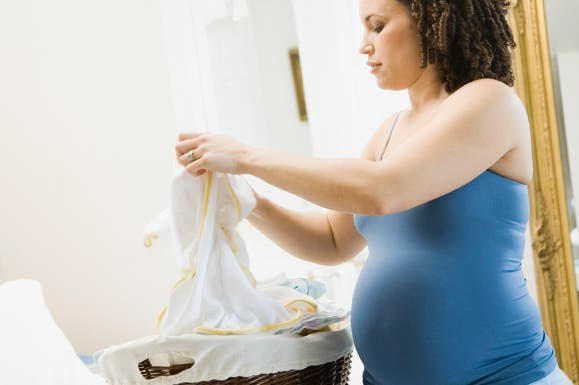
The average American takes in 13.1 pounds of toxins a year. These toxins enter our bodies by eating and drinking them. They also enter through our skin. The cosmetics, soaps, creams and clothes that contact our skin can transfer these toxins into our system.
For a long time it was thought that the placenta protected the unborn child from environmental toxins. Now we know that isn’t true. If you are pregnant, you need to especially be careful of exposure to toxic chemicals.
A new study that explores the association between exposure to phthalates and children’s IQs has sparked concern. Phthalates are common chemicals found in many products around the home – ranging from soaps and dryer sheets to shower curtains and raincoats.
Find out what's happening in Ramseyfor free with the latest updates from Patch.
Researchers looked at 328 mothers in low-income New York communities, following them from pregnancy until their child was seven years old. According to the study, the higher the levels of phthalates mothers were exposed to during their pregnancy, the lower the children’s testing scores on intelligence tests.
Phthalates are suspected endocrine disruptors and have been banned in the European Union since 2005. Other countries, including Japan, Mexico and Argentina, have outlawed the chemicals, and here in the US, six types are currently banned from children’s toys.
Find out what's happening in Ramseyfor free with the latest updates from Patch.
Unfortunately, billions of pounds of phthalates are still produced annually, and many products just don’t disclose the presence of phthalates in the ingredient listing.
Here are some tips to help avoid phthalates:
1. Avoid microwaving food in plastic containers.
2. Stay clear of plastic bottles and containers made of polyvinyl chloride (marked with a number 3 or PVC) and plastics marked with a number 7.
3. Synthetic fragrances can often contain hundreds of ingredients, including phthalates. Look for brands that disclose the contents of their fragrances, and go for naturally-derived scents or fragrance-free.
4. Always store food in glass containers.
5. Eat organic. Phthalates are used in pesticides.
6. Look for products from companies and manufacturers who can verify they’re phthalate-free.