Health & Fitness
Snow Shoveling Strategies
If you have to shovel snow, you might find these helpful tips helpful!


There are predictions for an “epic” blizzard starting today into tomorrow, with snowfall rates at possible 4 inches per hour and a total accumulation of over 3 feet in some regions.
For the past 29 winters, I have seen many patients in my chiropractic practice, who have injured their backs while shoveling snow. There are however a number of strategies that you can use to reduce your chances of having this happen to you.
An important consideration prior to attempting any snow shoveling, is to make sure that your heart is in good enough shape for you to endure that exercise. If you are sedentary or not actively exercising on a regular basis, consult your primary care physician prior to attempting any rigorous activity, which includes snow shoveling. Most of us have heard about someone who died from a heart attack when shoveling snow. Don’t let that person be you!
Find out what's happening in Ramseyfor free with the latest updates from Patch.
Start With A Warm Up - If your muscles are tight and not warmed up, you will significantly increase your chances of an injury. Warm up by first doing some light cardio to get your blood flowing, which will also increase your core body temperature. Follow this up with stretching your major muscle groups from head to toe.
This is especially important after you wake up in the morning. Your body stiffens up overnight from inactivity and your spinal discs plump up because you don’t have the compressive forces of your body weight while you are sleeping. When the discs are larger, they have a greater chance to impinge your spinal nerve roots if you don’t use proper body mechanics.
Find out what's happening in Ramseyfor free with the latest updates from Patch.
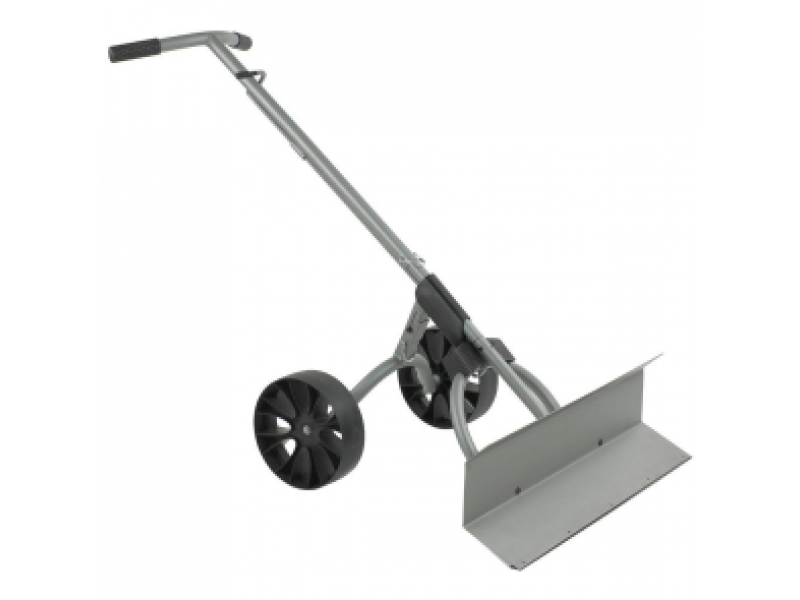
Get The Right Snow Shovel - Try to use an ergonomic snow shovel or a push snow shovel. Ergonomic snow shovels have a curved handle, which takes a considerable amount of stress off of your low back. If you are very tall or very short, try to get one with an adjustable handle. Snow shovels with a fixed handle length are made for a user of an average height.
Push shovels are great if the snow isn’t too deep or heavy. If the snow is very deep or heavy, push shovels are not recommended because they require too much exertion and result in an increased chance of an injury.
Use Proper Ergonomics - Ergonomics can also be referred to as body mechanics.
1. Whenever you lift anything, the best position to be in would be with your back straight, having the base of your skull over the base of your spine.
2. Try not to throw the snow over your shoulder. The twisting motion can cause micro-tears in your spinal discs and eventually can lead to a disc bulge or a disc herniation.
3. Try to rotate a shovelful of snow, so that the snow falls off of the shovel.
4. If that doesn’t work, try to throw the snow forward, with your back as straight as possible. This can be done by using your legs and forward body momentum , as you step into the throw and use your arms.
5. Try to keep the amount of snow to a moderate amount with each shovel. Don’t try to lift too much at once.
6. For most people, it is best to have their hands about shoulder width apart on the snow shovel, while shoveling snow.
Stay Hydrated - You can get dehydrated from sweating too much or from not drinking enough fluids. Dehydration can cause a lower blood volume, which thickens your blood, can cause an unwanted strain on your heart as well as an increase in the chances for a blood clot to form. Avoid drinking alcohol when shoveling snow. Alcohol reduces the ability of your blood to carry oxygen and doesn’t actually keep you warm as some people think. Try not to drink coffee either, Caffeine may increase your heart rate and cause your blood vessels to constrict, reducing blood flow to your muscles.
Don’t Shovel On An Empty Stomach - If you shovel on an empty stomach, you could get a drop in your blood sugar, which will reduce your productivity, make you feel weak and possibly could lead to fainting when coupled with overexertion. If possible, eat a light and easily digestible meal about an hour before shoveling. Don’t eat a lot, since digesting a big meal will shunt blood to your digestive system and away from your skeletal muscles.
Pace Yourself - Try to work at a slow and steady pace, with breaks when you feel like you need them. If you are breathing too hard, you need to slow down.
Don’t get Overheated - Wear layers of clothing and a hat. You can add or remove layers so that you are warm, but not sweating profusely. If you sweat too much, you could become dehydrated and raise your core body temperature to a dangerous level.
Have Good Boots - Waterproof boots with soles that don’t slip are a great investment in your comfort and safety.
Keep Up With The Storm - If there is a major storm, it is better to shovel several times during the storm, instead of waiting until it is over. If you have to shovel deep snow, do it in layers.
Use A Snow Blower - Make sure that you are not trying to blow snow that is deeper than what the blower was designed to handle. That mistake can cause a considerable stress on your back because of the resistance of the snow while pushing the snow blower.
The ultimate avoidance of a low back injury form snow shoveling is to have someone else do your snow removal. After all, you will never lose a fight that you are not in. This should always be done if you have a physical impairment or a heart condition that would increase your chances of a heart attack.
Besides snow removal, using sand, salt and kitty litter on your sidewalk or driveway will increase traction and reduce the likelihood of slipping and falling. Remember to use calcium chloride on sidewalks because it doesn’t break down the cement like rock salt will.
Good luck and stay safe!